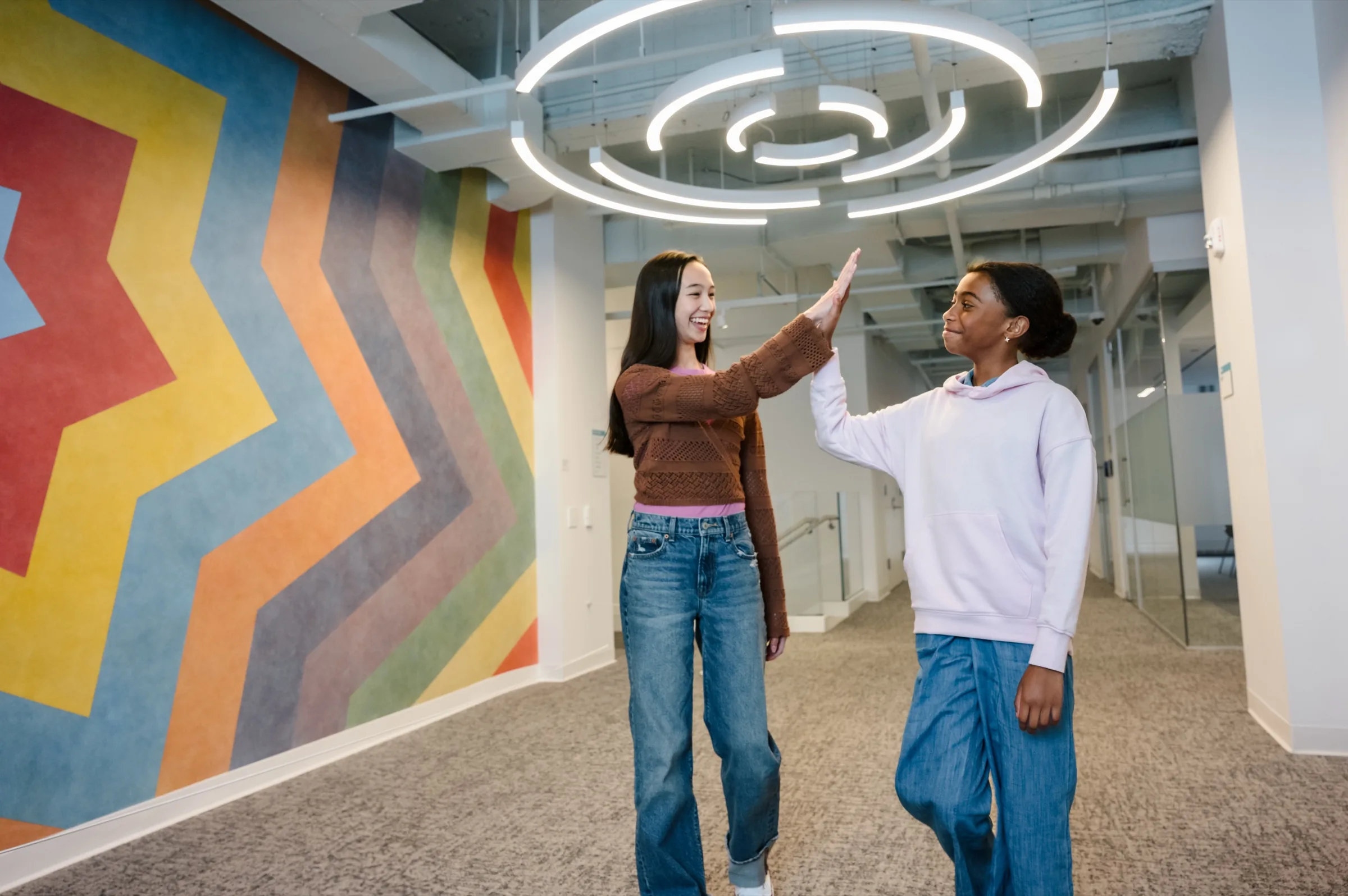

SXSW London
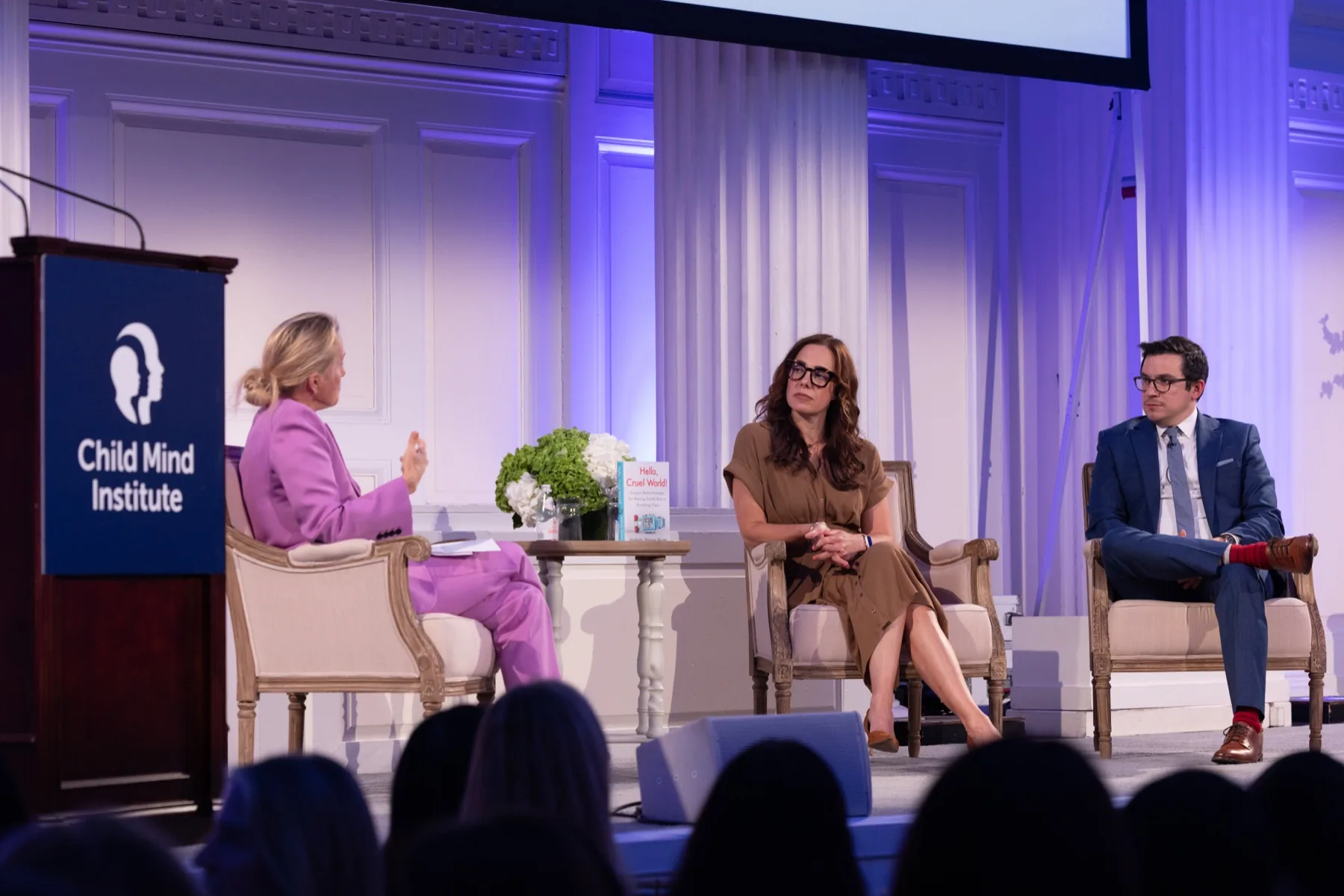
At SXSW London, Child Mind Institute leadership joined a global conversation on the youth mental health crisis, sharing strategies from our work and calling for coordinated, scalable solutions to expand care for young people worldwide.
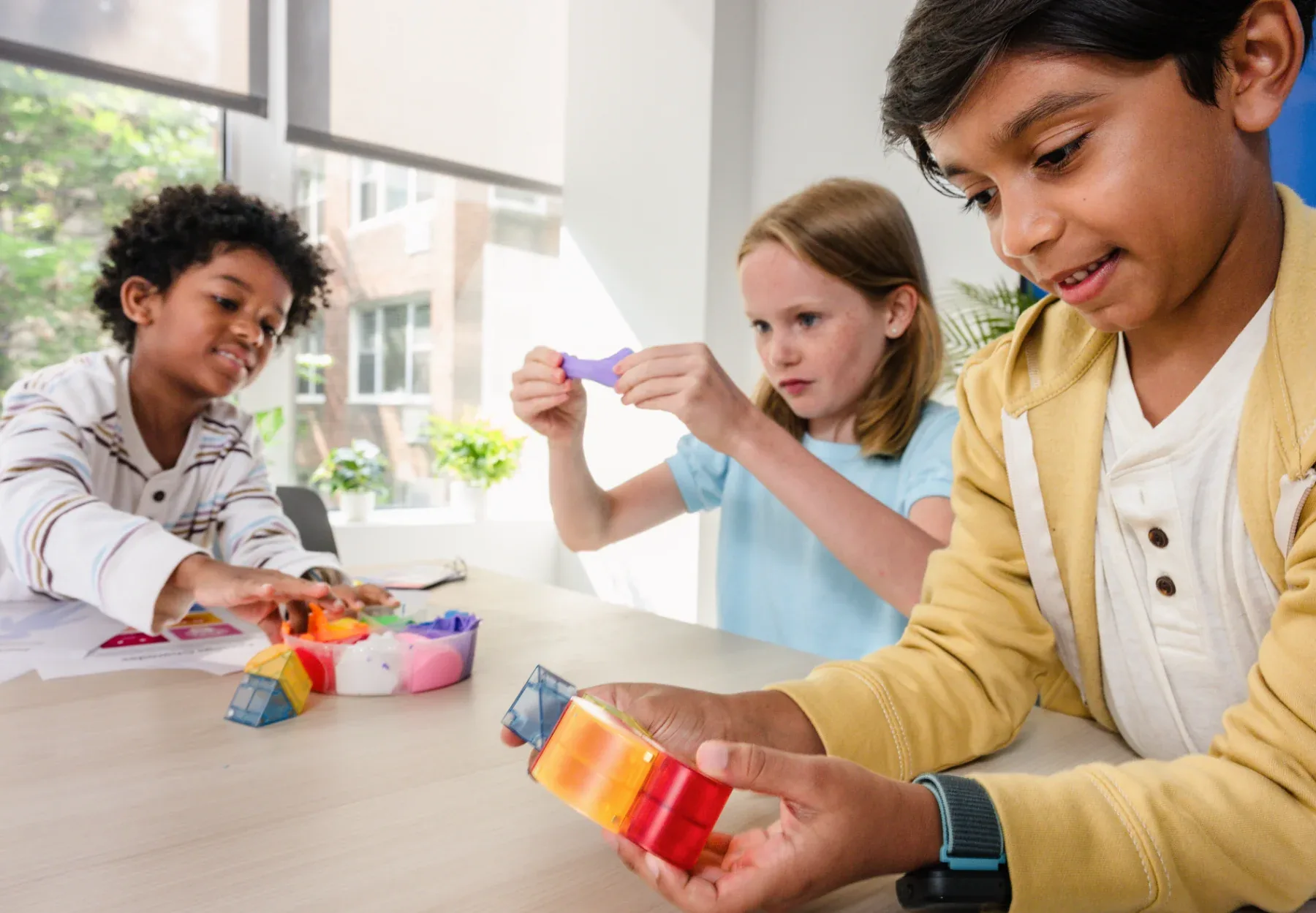
2025 Annual Report
The challenges children face are growing. So are the possibilities for understanding, diagnosing, and treating mental health and learning disorders.
The future of youth mental health care is already here. We’re building it for every family — no matter where you live or what you can afford. It extends beyond our clinics to free online resources and apps, partner schools and workplaces, and communities around the world. Whether you know and love a child with a mental health or learning challenge, or you just need somewhere to turn for everyday challenges at home, at school, and in life, we’re there.
In our rapidly changing world, one thing hasn’t changed: We all want our children to grow up happy, safe, and healthy. When they do, the future is brighter for all of us.
Introduction
Today’s children face challenges that past generations could only imagine. It’s a tough time to be a kid — and a parent.
At the same time, science and technology today offer powerful new opportunities for innovation. At the Child Mind Institute, we’re leveraging them to transform the ways we understand, diagnose, and treat youth mental health and learning disorders.
Every day, the Child Mind Institute provides clinical care and free resources where they’re needed most. We’re also driving scientific breakthroughs in our labs, training the next generation of mental health professionals, and scaling mental health infrastructure in low- and middle-income countries. We’re not just reacting to our changing world; we are shaping it.
In our 2025 Annual Report: Youth Mental Health in A Changing World, you’ll hear how we’re evolving and scaling our time-tested, evidence-based models to meet kids and families where they are, including through exciting new innovations like our AI-powered journaling app, Mirror; our teen-first resource hub, You Are Okay; our new Thriving Kids podcast; and so much more.
From all of us, thank you for your support, which has changed the lives and futures of millions of children since 2009. Together, we are investing in the next generation — ensuring that no matter what the world looks like tomorrow, every child has the tools and support they need for a happy, healthy future.
With gratitude,
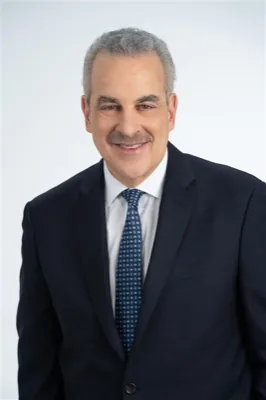

Harold S. Koplewicz, MD
President & Medical Director
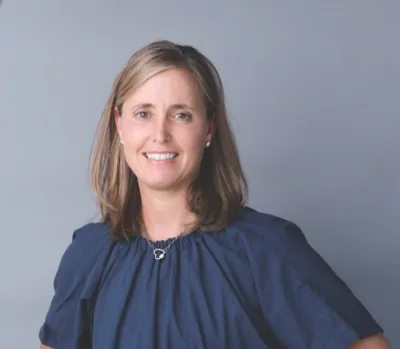
Devon Briger
Co-Chair, Board of Directors
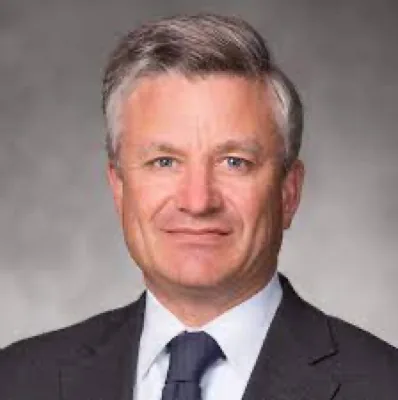
Guy Metcalfe
Co-Chair, Board of Directors
Our Impact
Our mission is to transform the lives of children and families experiencing mental health and learning disorders through excellence in science, education, and care.
0+
children evaluated, treated, or received in-school support
0+
children enrolled for free evaluations
0.0M
students, educators, and caregivers reached through School and Community Programs
13
Countries
Where We Work
Through our clinical treatment, education initiatives, scientific research, and a growing network of training programs and partnerships, the Child Mind Institute reaches children and families across the United States and around the globe.
0%
of children we serve in our clinics, partner schools, and research studies receive free or reduced-cost services
0.0M+
Spanish-speaking families have accessed our free, bilingual mental health resources
0+
high-need schools around the country have received in-school services or resources
Clinical Care, Specialty Programs, and Training
In 2025, we held over 56,000 patient appointments to evaluate and treat children for mental health and learning disorders. Treatment at the Child Mind Institute begins with a thorough evaluation and is always evidence-based, results-driven, and tailored to each family’s individual needs.
0+
children treated in our clinics
0+
specialty programs offered
$0M+
in financial aid provided to patients
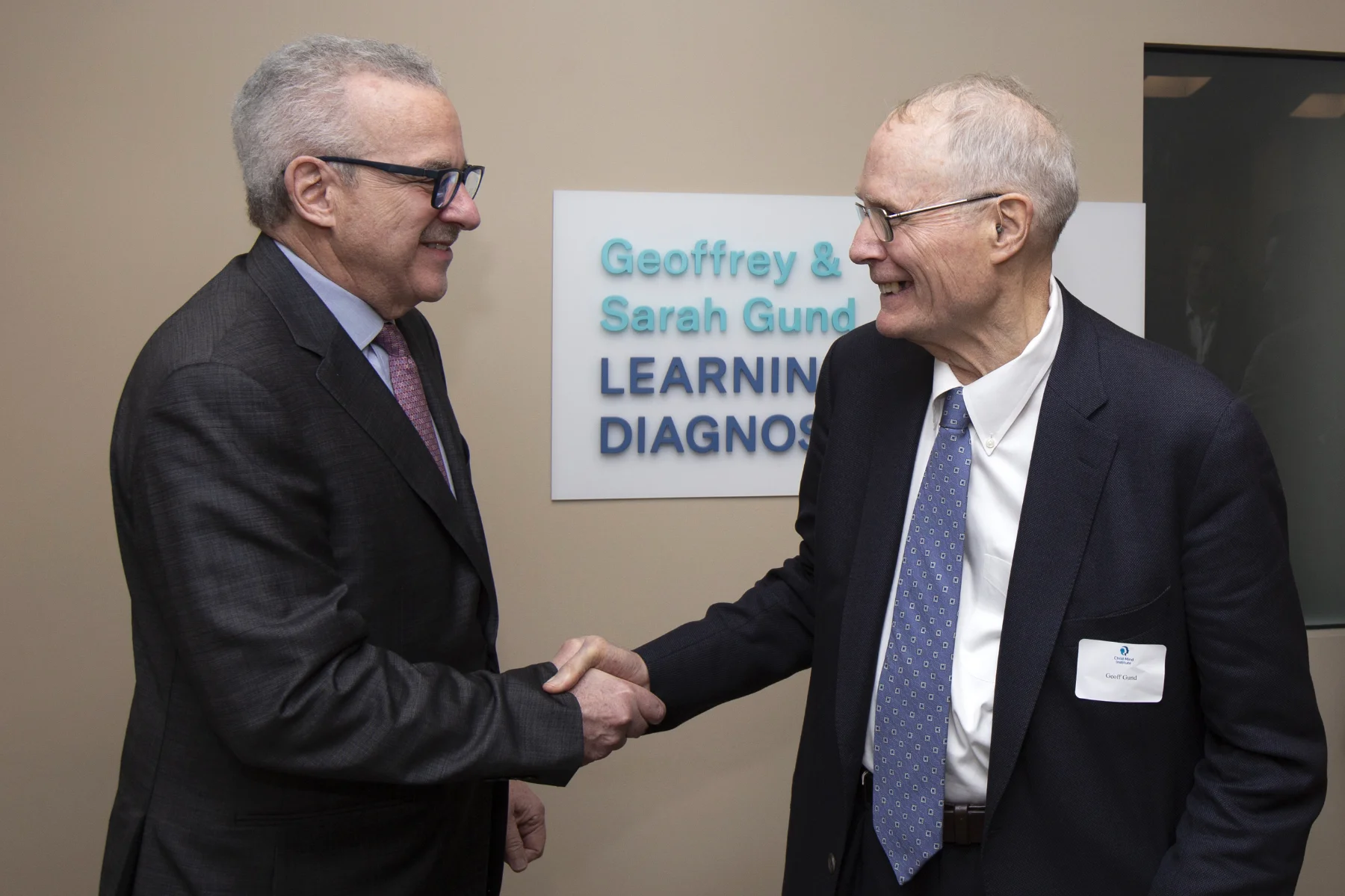
In March 2025, we celebrated the opening of the Geoffrey and Sarah Gund Learning and Diagnostic Center, which will provide over 1,000 evaluations and treatments annually for children with learning and developmental challenges.
The new Center expands our impact in this area, reaching more children by enhancing training programs, advancing research, and leveraging digital solutions to increase clinical capacity. It’s made possible by the transformative generosity of Geoffrey Gund, who honored his late wife Sarah in remarks at the Center’s ribbon cutting. Sarah was a learning specialist who devoted her life to giving children the individualized care they need to thrive.
Our Brave Buddies® intensive program, offered multiple times throughout the year, offers 1:1 staff-to-child ratios, family support, and real-life practice with “brave talking” for children with selective mutism. The Child Mind Institute has evaluated more children with selective mutism than any other center worldwide.
“My hero is Dr. Schwartz for helping me with my talking.”
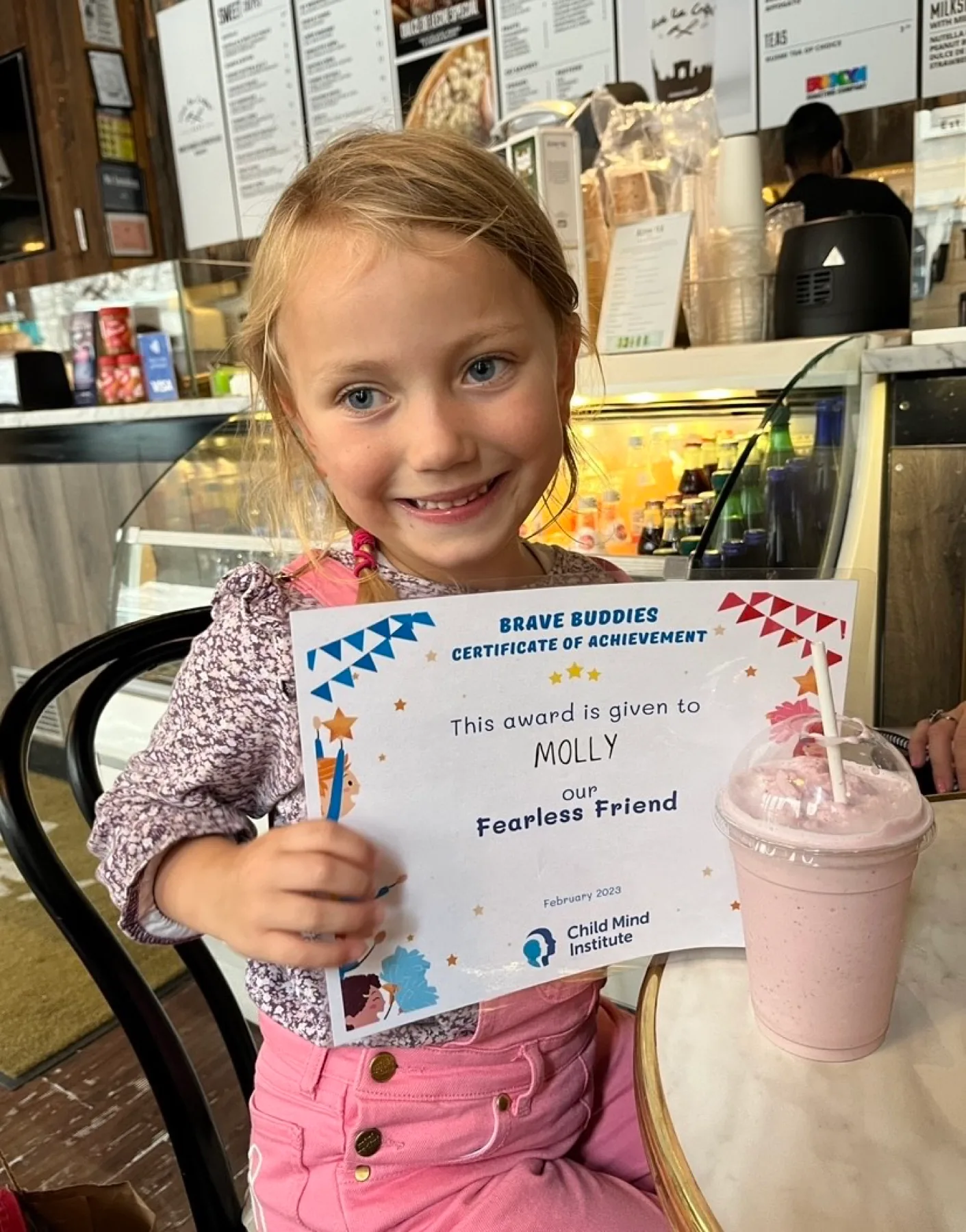 Molly, Brave Buddies Participant
This year, we served four cohorts of children from around the country and the world. Molly’s family traveled all the way from New Zealand to get treatment they couldn’t access anywhere else — and recently, Molly gave her first-ever presentation in school, something that once felt impossible. “Children are recovering from selective mutism with this treatment,” says Molly’s mom, Victoria. “Above all else, this is the treatment that is getting real results.”
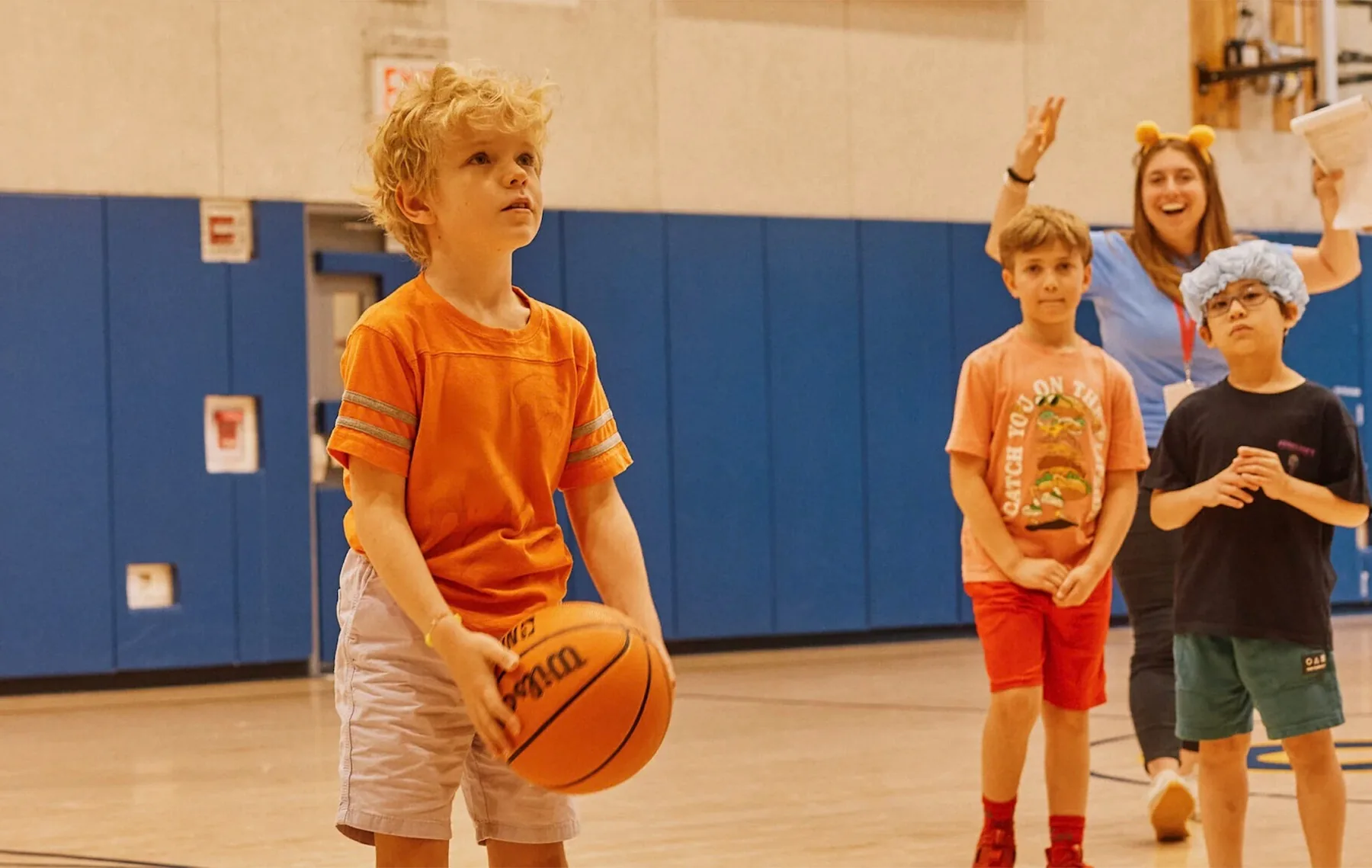
Now in its 10th year, our ADHD Summer Program is intentionally different. This therapeutic program for children ages 5 to 10 has a 1:1 staff-to-child ratio and is highly structured, with clear routines, consistent expectations, and continuous guidance throughout the day. In 2025, we served our largest cohort to date and expanded to launch our new ADHD & Behavior After-School Program. This 10-week program is designed to provide support to children and parents during the school year.
This year, the ADHD Summer Program also went beyond its core clinical programming, launching a novel partnership with our research teams. Of our 2025 cohort, 40% participated in an innovative actigraphy research study, wearing GENEActiv devices that tracked physical activity and sleep throughout the program. The study deepened our understanding of ADHD-related behavioral patterns and daily rhythms — an example of how research and data help our clinical programming grow and evolve.
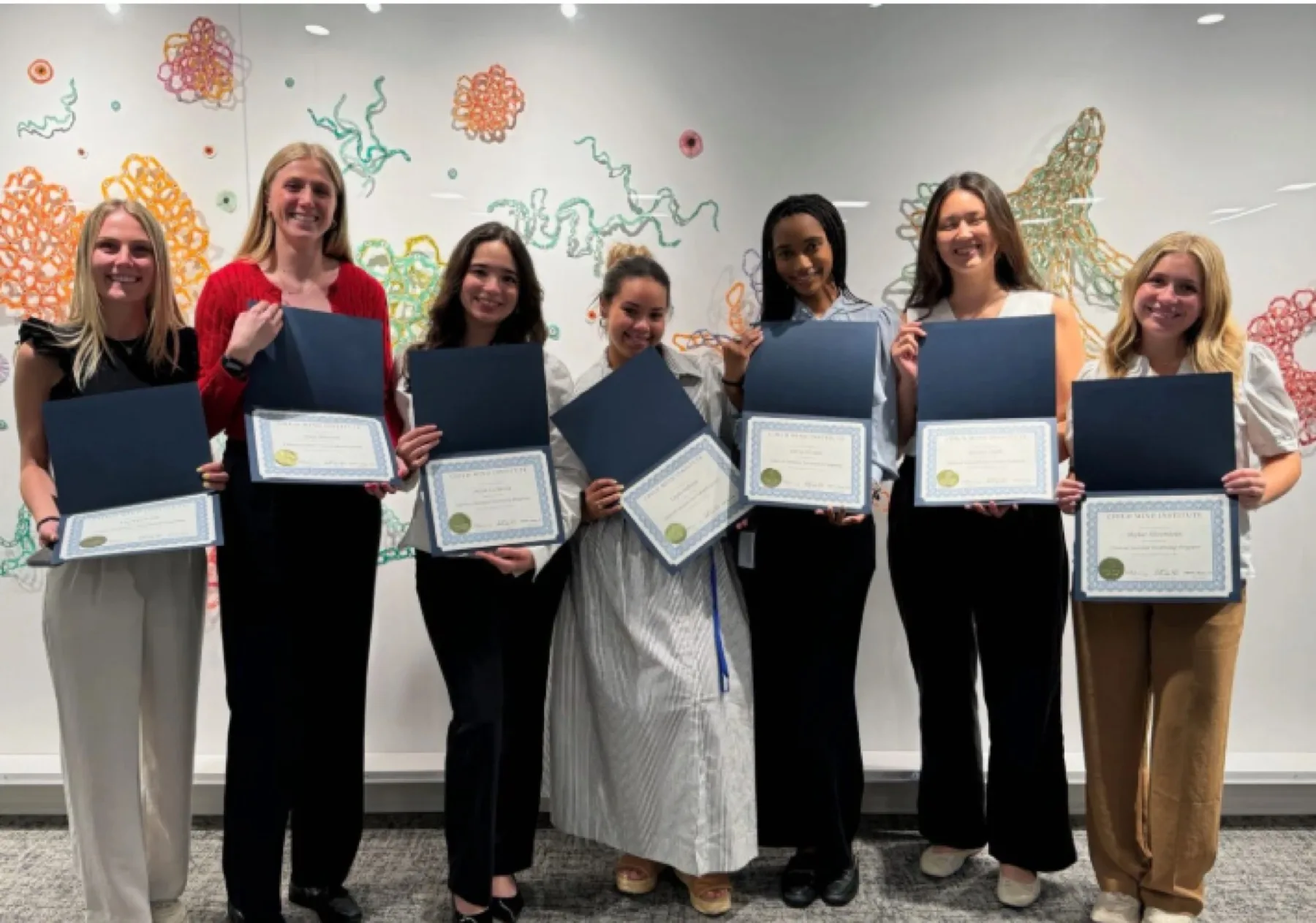
The Child Mind Institute is committed to cultivating the next generation of mental health professionals. In March, our externship program participated in the NYNJADOT-PSYDNYS Consortium Match. We completed the match in record time and filled all 13 externship spots across our six clinical tracks.
“Everywhere I go, my experience at the Child Mind Institute sets me apart.”
These externs joined a growing class of trainees, including five Postdoctoral Fellows, three Predoctoral Interns, and seven undergraduate Clinical Summer Interns. Each of these early-career mental health professionals was selected from hundreds of impressive applications, underscoring our training programs’ strong appeal and caliber.
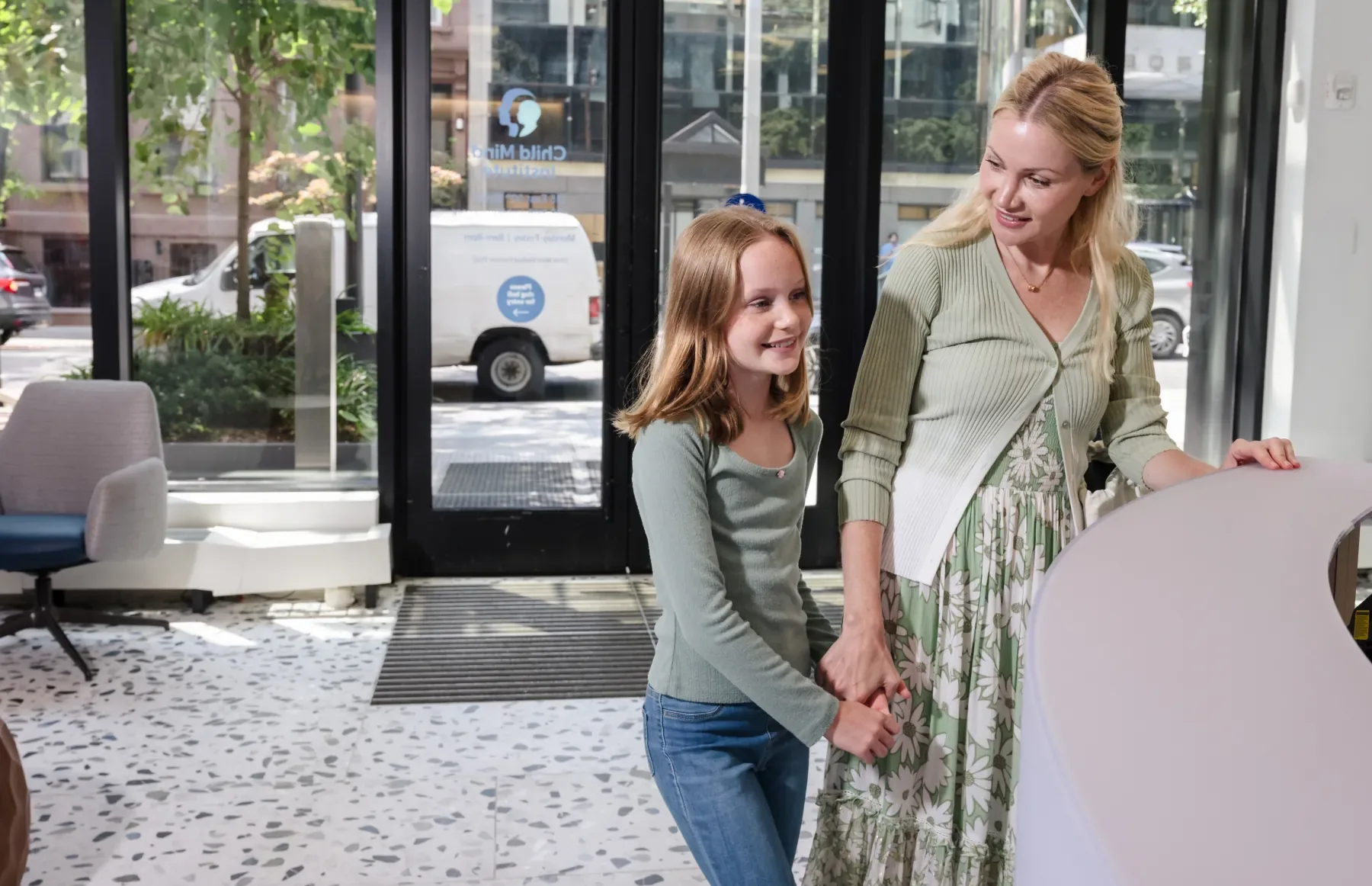
In 2024, our community experienced the sudden loss of Dr. Jerry Bubrick, director of the Intensive Pediatric OCD Service and senior psychologist in the Anxiety Disorders Center at the Child Mind Institute. Throughout 2025, we worked to formalize and expand services for the treatment of obsessive-compulsive disorder into a distinct center at the Child Mind Institute in his memory. With doors opening in early 2026, the Bubrick Center for Pediatric OCD will be led by Theresa Welles, PhD, and will expand access to clinical care, train the next generation of OCD clinical specialists, and fuel research and innovation within this high-need area. The Bubrick Center will stand as a testament to Dr. Bubrick’s pioneering work in the field and further his vision that every child live a fulfilling, joyful life.
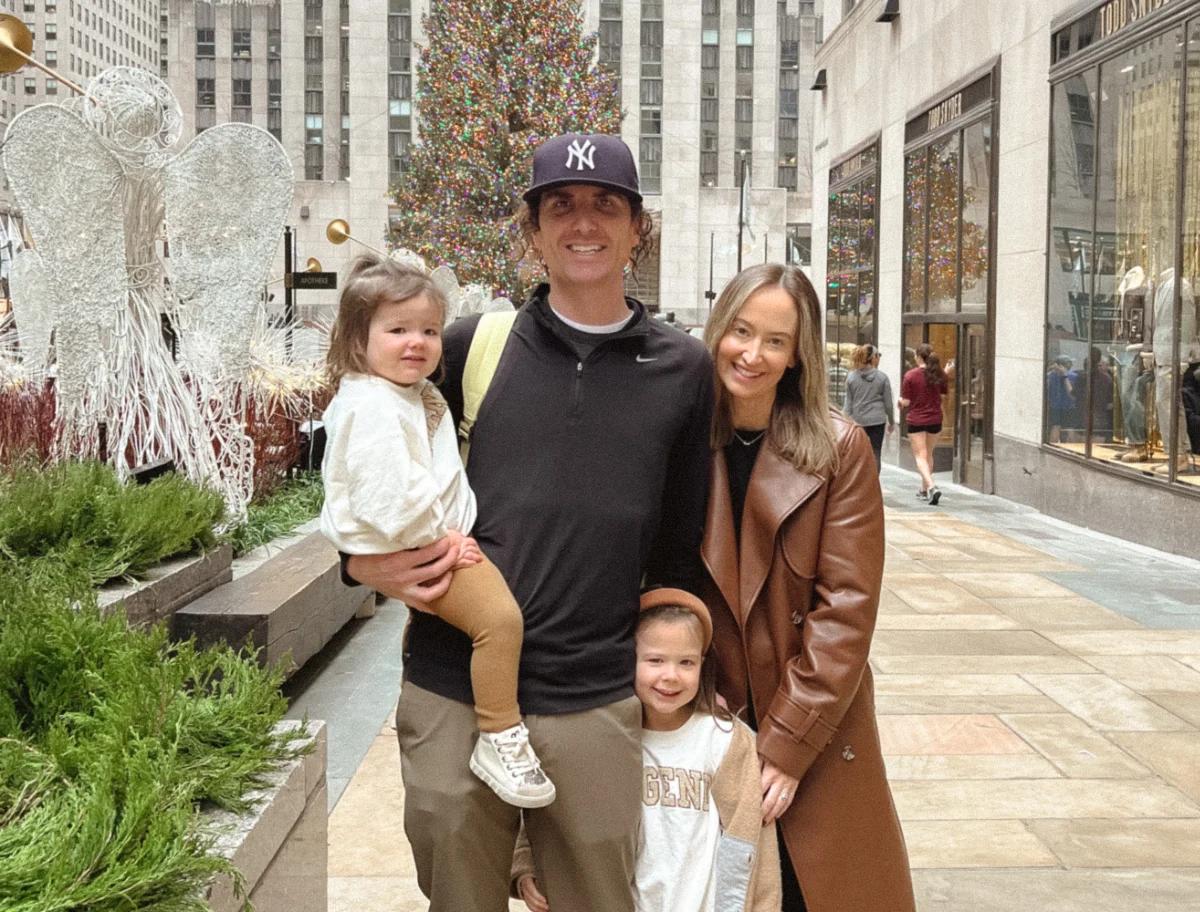
“When you have a kid, you see this bright light in them, and all you want is for the rest of the world to see it, too. The Child Mind Institute has given Paige that ability to show off her full self to the world.”
School & Community Programs, Youth Mental Health Academy, and Public Education
Mental health care doesn’t just take place in clinics. It means making sure every child has the basic skills and resources to stay healthy. What does that look like? Our School & Community Programs deliver in-school services. Our Youth Mental Health Academy trains young people for careers in mental health. Our free resources are accessible to anyone, anywhere. This constellation of no-cost community solutions are an investment in a healthier future for every family, school, and neighborhood.
0+
schools served since 2012
0+
high school students enrolled for career training
0M+
visitors to our free Family Resource Center
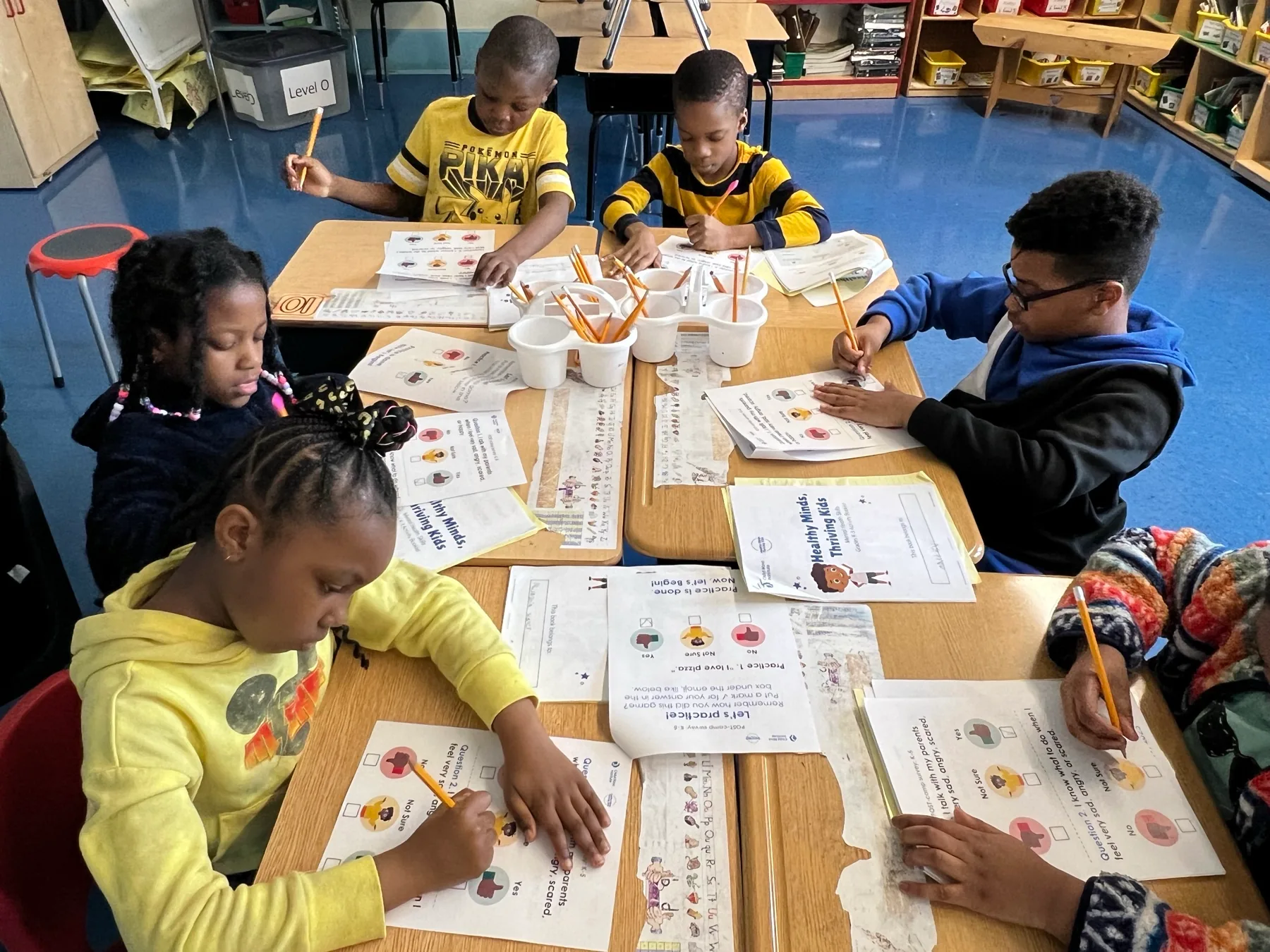
We held the second annual Healthy Minds, Thriving Kids camp for kindergarten through fifth-grade students, hosted in partnership with the Ella Baker Institute at the Riverdale Avenue Community School. This camp utilizes core elements from our Thriving Kids resources to teach kids basic mental health fitness skills, with facilitator training for educators and caregiver engagement sessions.
“In just a few days, my child was able to learn new ways to communicate their feelings.”
Post-training assessments showed a significant increase in educators’ understanding of the importance of mental health education and their role in supporting student well-being. Parents also reported that they felt better equipped to support their child’s mental health.
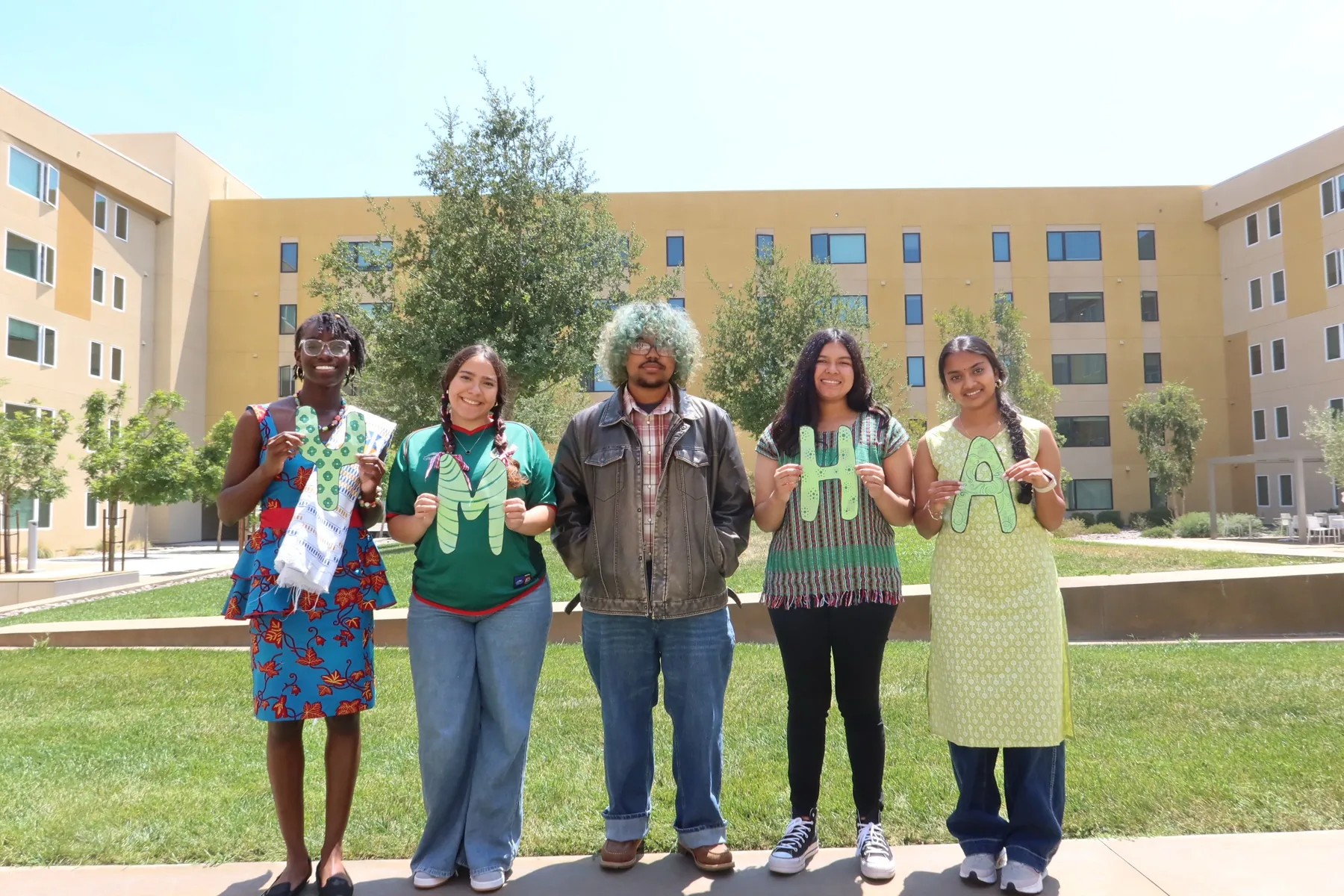
More than half of children in the United States live in a designated mental health professional shortage area. And while Black and Hispanic individuals make up nearly one-third of the U.S. population, they represent only about 10% of mental health professionals. Our Youth Mental Health Academy aims to change that.
“I believed my dream of becoming a psychologist was unattainable, but the Youth Mental Health Academy inspired and motivated me — and now I have been working harder than ever before.”
This 14-month training program recruits talented high school students from marginalized communities who are interested in pursuing a career in the mental health field. We’ve now trained more than 2,400 young people at 19 sites across California. One hundred percent of surveyed graduating seniors from our first cohort have been accepted to and enrolled in college — where the majority have now declared majors in fields such as psychology, neuroscience, and premed.
According to the CDC, 42% of high school students report feeling persistently sad or hopeless. Yet when it comes to topics like mental health, relationships, and substance use, it can be hard to talk to parents — and unreliable or risky to get information or advice from the internet, chatbots, or social media.
“It’s this amazing full-circle moment helping kids like my younger self get the resources they need.”
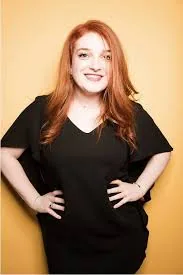 Jenny Jaffe, mental health advocate
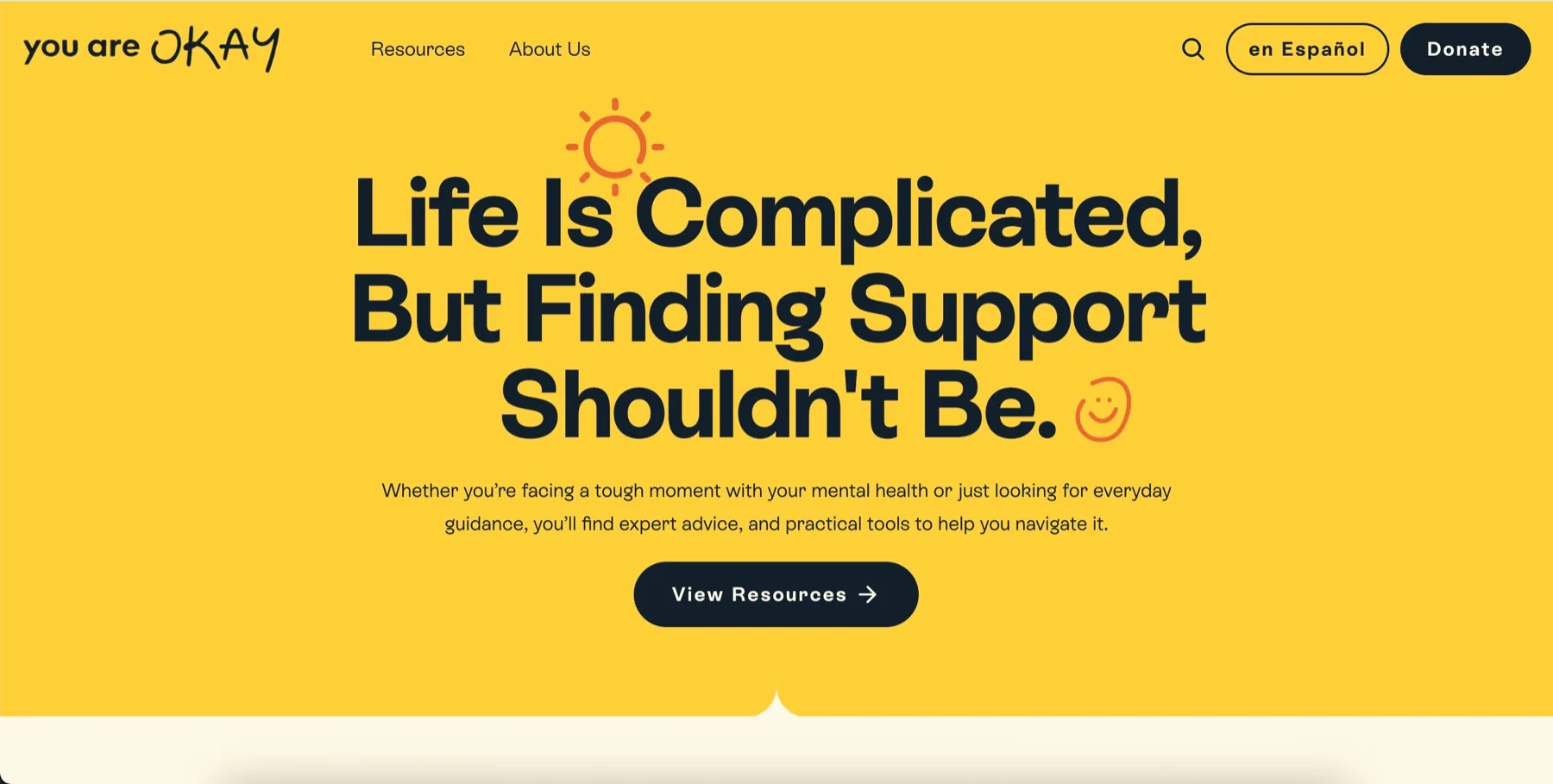
That’s the foundation of You Are Okay, a resource hub for teens and young adults that started as the passion project of writer, performer, and mental health advocate Jenny Jaffe. Built in partnership with young people, guided by the same values as our Family Resource Center, and relaunched in 2025, it’s a place for young people to get answers, find words for what they’re going through, and get help if they need it.
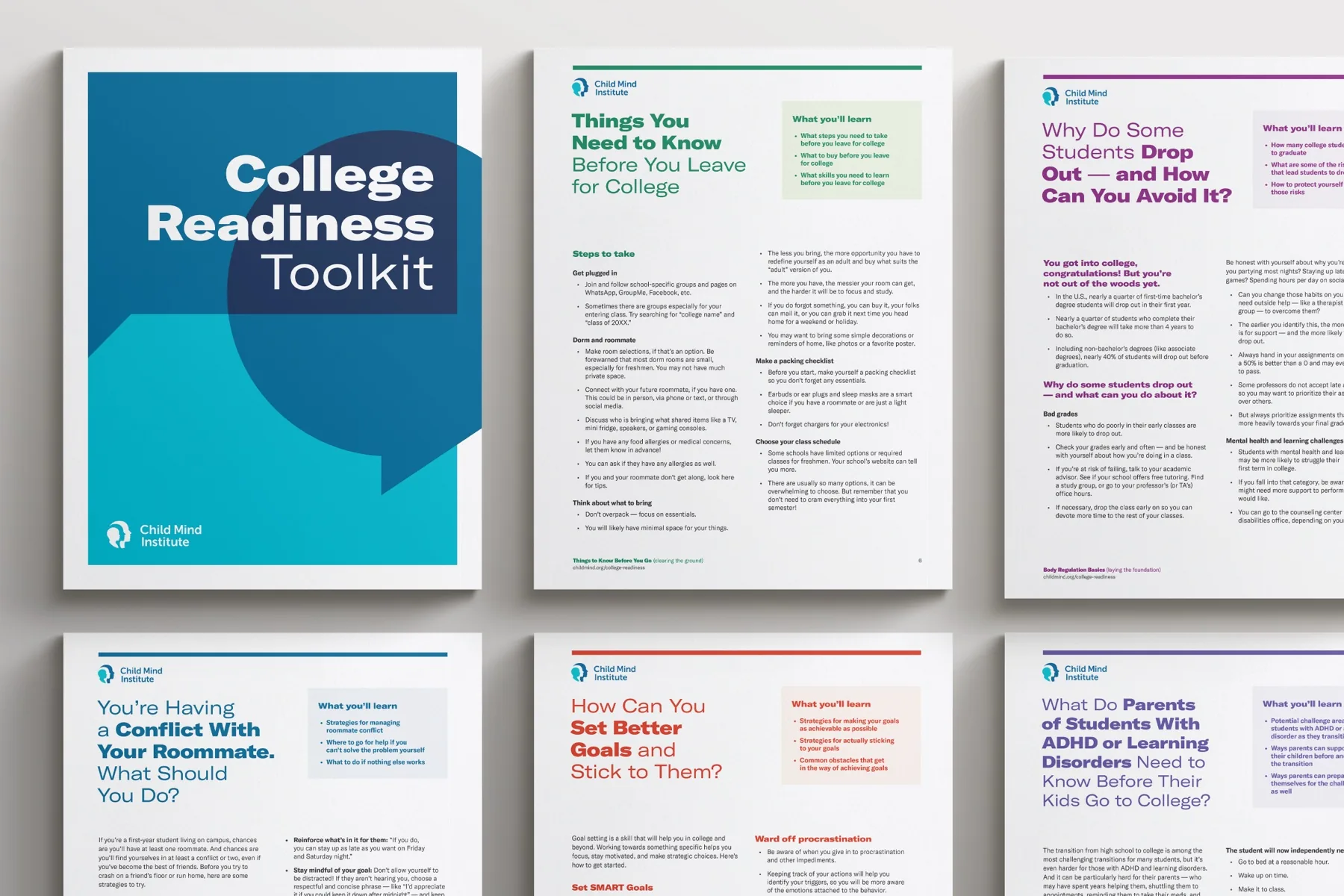
In August, we released our College Readiness Toolkit, designed to help students transition to and succeed in college, in partnership with Oak Foundation. The toolkit combines evidence-based strategies with practical guidance for students and parents.
Organized into four sections — Things to Know Before You Go, Body Regulation Basics, The Grind, and Achieving Your Vision — it covers executive function skills, coping strategies, and problem-solving tools. A dedicated parent section offers support for families during the transition to college. Available online in English and Spanish, the toolkit aims to ensure every student has a fair shot at success. It’s been viewed over half a million times, with more than 20% of views in Spanish.
What if the parents and caregivers of chronically sick children could receive world-class care not only for their physical health, but also their mental health? That’s exactly what our School and Community Programs team made possible when they kicked off a new partnership with the Pediatric Sickle Cell Disease Care program at New York-Presbyterian Brooklyn Methodist Hospital. The Child Mind Institute provided training to the Child Life and medical staff for integrating trauma-informed mental health support in their services for families.
“A 15-year-old girl with sickle cell was in the midst of a panic attack. I was able to use a lot of the skills I learned in the training… Watching her utilize some of the coping tools we had shared with her, including paced belly breathing, was amazing.”
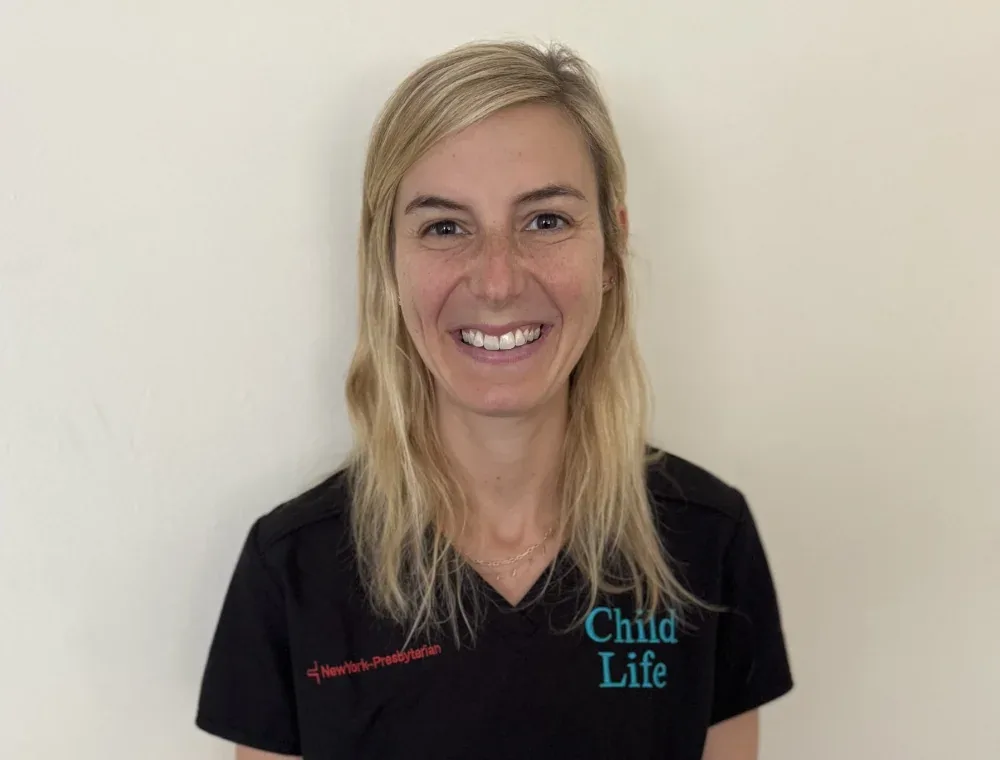 Gaby Stern, CCLS, New York-Presbyterian Brooklyn Methodist Hospital
In May 2025, the School and Community Programs team joined the 2nd Annual Staten Island Youth Mental & Behavioral Health Symposium, where they led interactive, skills-based workshops designed to equip educators with practical tools to support student mental health and foster safer, more supportive school environments.
Our team presented practical strategies for helping teens manage emotions, provided insight into the developing brains of younger children, and shared immediately applicable techniques for educators.
“Gabriel now receives treatment from a school-based clinician who works directly with his teacher. It’s all on-site at his school, it’s all free for our family, and it’s making all the difference.”
Healthy Brain Network, Digital Therapeutics, and Research Science
The better we understand the developing brain, the better we can understand, diagnose, and treat mental health and learning disorders. Our scientists are leading the way — through research, brain imaging, data sharing, and pioneering digital tools. Our research not only supports our work with children and families today, it’s transforming the future of mental health care.
0+
children enrolled in the Healthy Brain Network
0+
publications have cited our freely shared data
0+
monthly active users of our new Mirror app
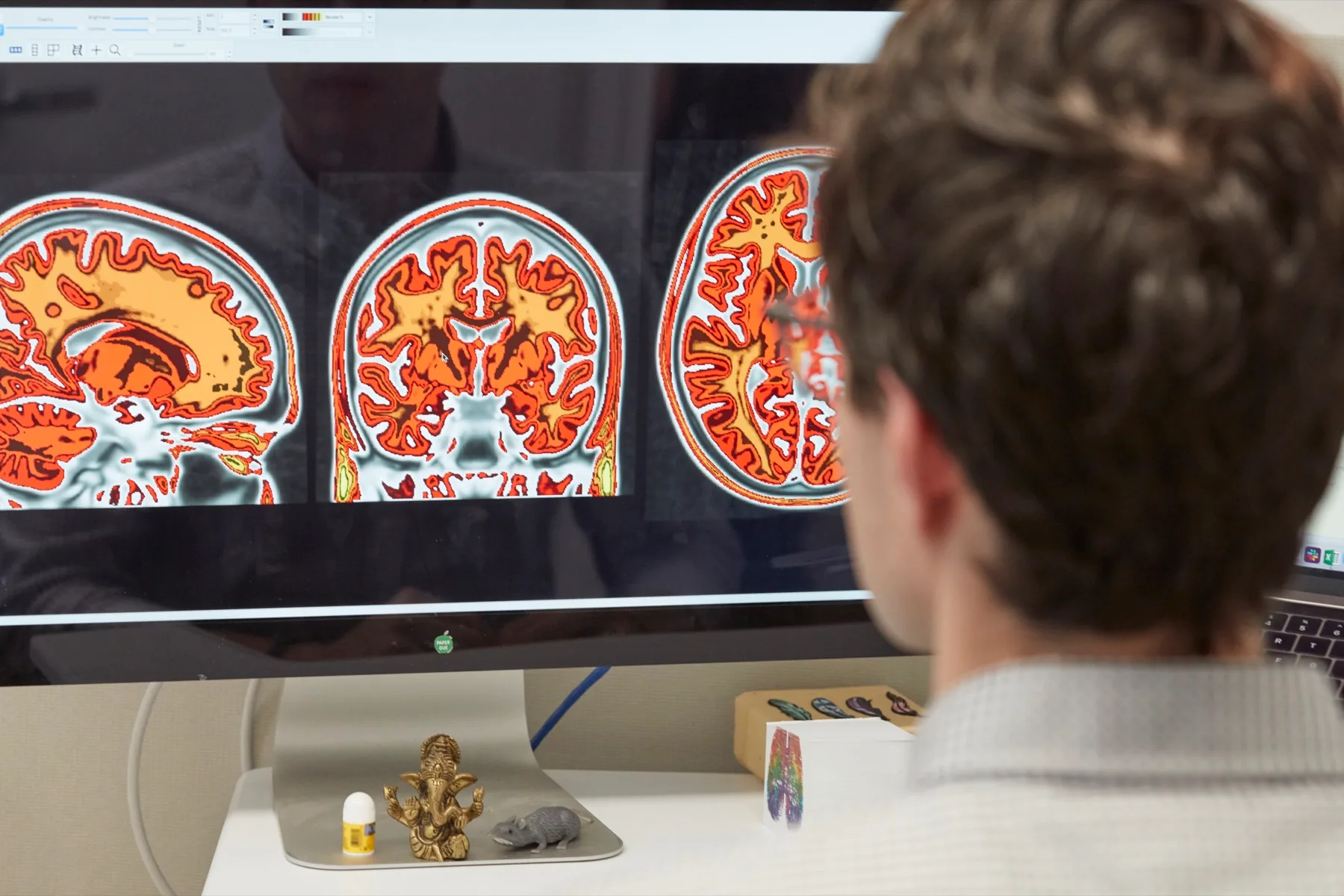
Ten years ago, the Healthy Brain Network (HBN) set out to transform how we understand youth mental health — in partnership with families. Today, it stands as one of the nation’s most comprehensive studies of the developing brain, with more than 8,700 children enrolled and thousands of families receiving no-cost evaluations, school-ready documentation, and referrals for care.
“Our personalized report didn’t just give us answers — it gave us the tools to get Carter the help he needed. That report from the Healthy Brain Network changed our lives.”
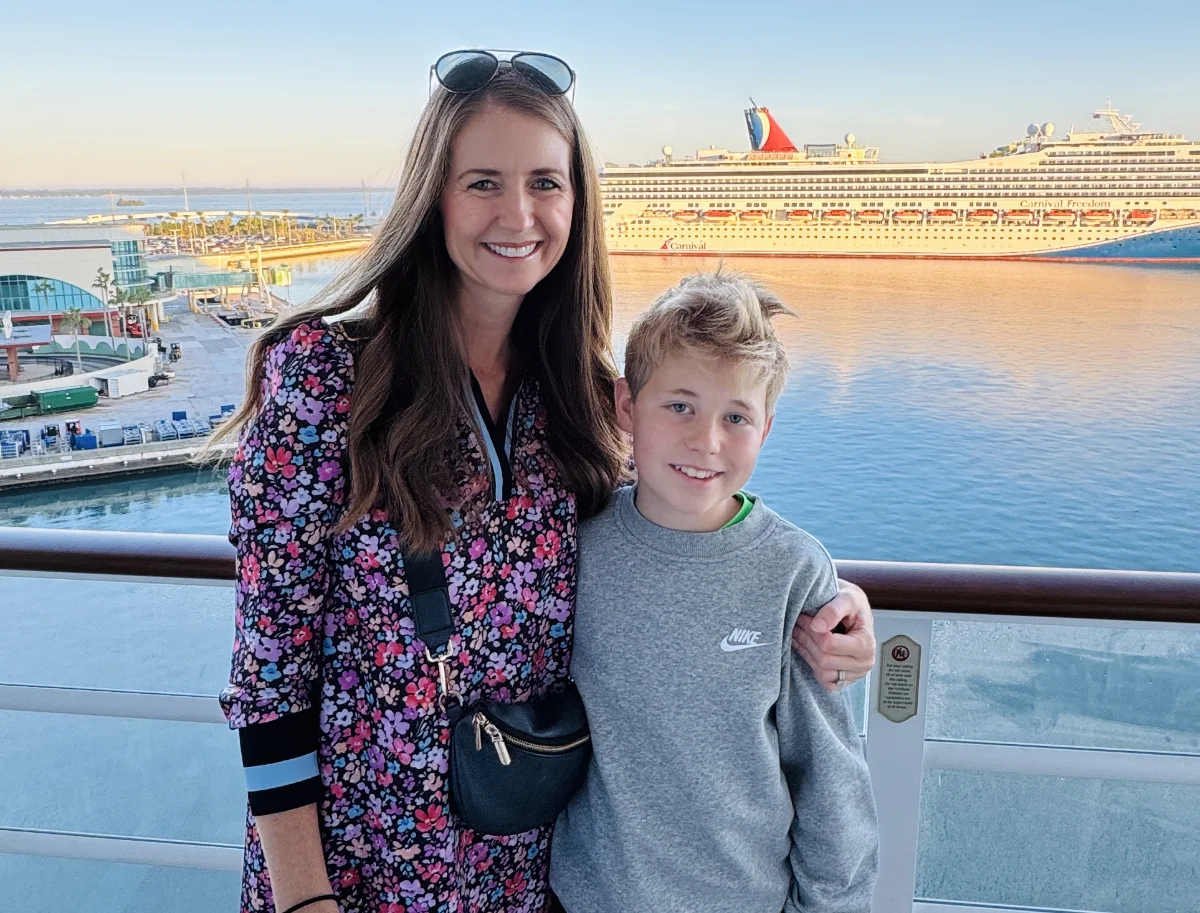 Kristen, Carter’s mom
HBN provides families with tools and answers they might not otherwise be able to access — its comprehensive evaluations could cost up to $10,000 if obtained privately. And the impact goes beyond individual families. The Child Mind Institute is a leader in open science, and HBN’s freely shared datasets, including brain imaging, have fueled hundreds of studies globally and helped researchers uncover patterns across conditions including ADHD, autism, and anxiety.
A decade in, HBN continues to evolve. It now captures data around sleep, movement, and other biometrics, while testing emerging digital tools designed to broaden access to mental health support. For families who need answers and researchers studying mental health, HBN is evaluating new methods, democratizing access, and shaping emerging priorities.
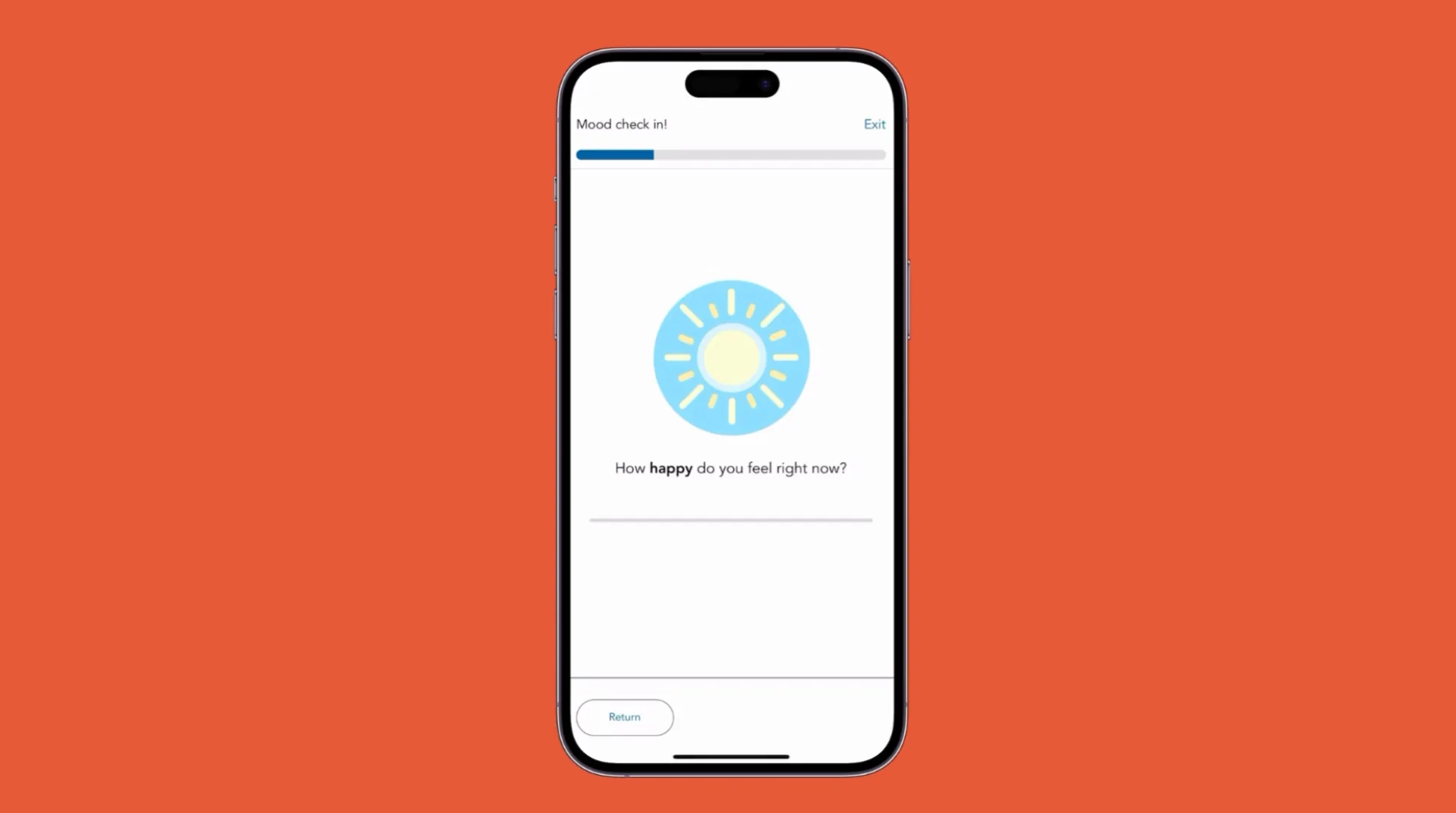
In 2025, the Child Mind Institute launched Mirror, our new AI-powered journaling app. Designed to support mental health through guided reflection and real-time insights, Mirror provides a private, secure space to record thoughts and feelings as written reflections, voice or video recordings, or via our mood-tracking interface. Simultaneously, it includes built-in safety features that can detect signs of risk and connect users to support when needed. The impact has already been lifesaving, with over 4,500 young people connected in real time to crisis support, suicide hotlines, or 911.
“Mirror offers an alternative to social media — an evidence-based, private space for self-reflection and emotional processing.”
One of the biggest barriers to treating youth depression is getting kids to engage with their care. Only about half of young people complete the “homework” aspect of traditional Brief Behavioral Activation therapy (BBA), which centers on tracking participants’ moods before and after engaging in real-world activities. That’s why we built Kandoo, a new app for BBA developed with funding from the State of California. Kandoo supports clinicians by offering interactive features to boost engagement and gamify mood tracking. Clinicians get real-time insights into patient progress, and patients can engage with map-based gameplay — making treatment more dynamic and even fun.
“This app is like PokemonGo except it motivates me to do real-world activities again. I started painting again and am going for walks to clear my mind.”
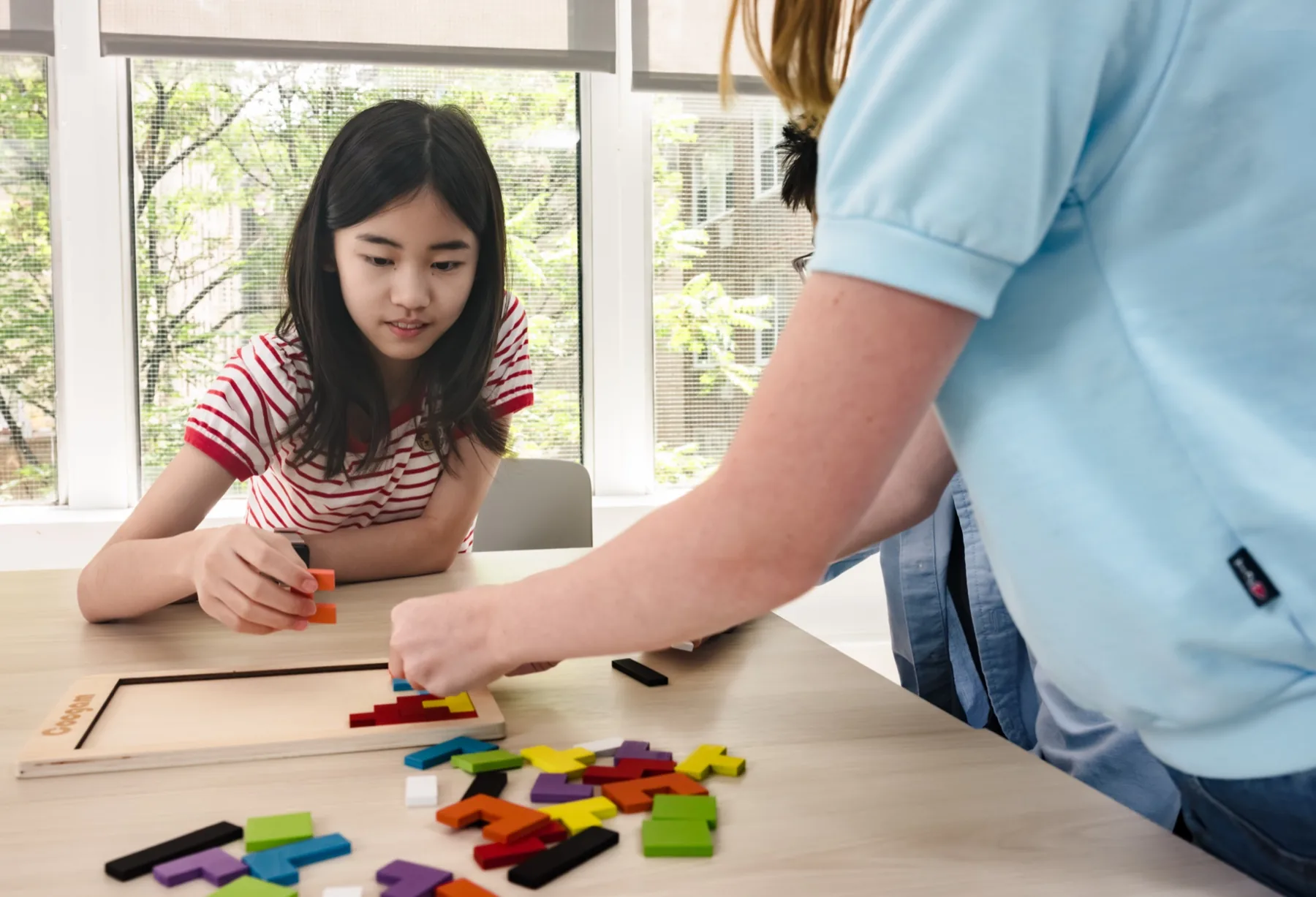
Amy Margolis, PhD, and the NVLD Innovation Core at the Child Mind Institute are collaborating with Prudence Fisher, PhD, to lead the effort to add Developmental Visual-Spatial Disorder (DVSD, a reconceptualization of nonverbal learning disability, or NVLD) to the Diagnostic and Statistical Manual (DSM-5TR).
DVSD is a proposed neurodevelopmental disorder that has historically been underdiagnosed and underresearched. Inclusion in the DSM would help clinicians identify it sooner and provide better treatment for children.
“Having [DVSD] recognized by the DSM as a valid disorder will be a game changer.”
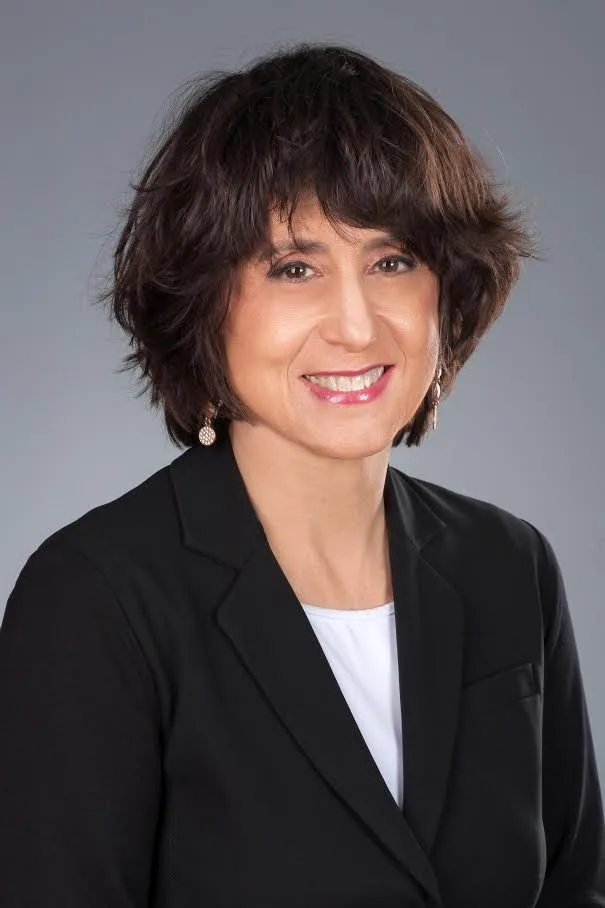 Laura Lemle, founder of the NVLD Project, Child Mind Institute partner, and mom of a child with DVSD
To support this advancement, the team recently finished collecting data for a field trial testing the DVSD criteria set, and the DVSD screener is being validated using data from over 1,000 young people participating in the Healthy Brain Network study. These findings are informing new diagnostic tools and the expansion of our digital symptom checker. The NVLD Innovation Core is generously funded by Laura Lemle, PhD, and The NVLD Project.
In 2025, the Child Mind Institute continued to grow our citizen science initiatives. We launched several challenges on Kaggle, a platform where data scientists collaborate and compete to solve real-world problems. Our Detect Behavior with Sensor Data competition, which asked participants to use information from our Helios wrist-worn devices to distinguish between body-focused repetitive behaviors like hair pulling and everyday actions like adjusting glasses, received over 75,000 submissions. We also collaborated to host the 2025 Women in Data Science (WiDS) Global Datathon, which charged participants with building a model that uses brain imaging to help diagnose ADHD.
“The goal of this intervention isn’t to shame tech use, but to empower you to use tech in a way that supports your well-being, instead of working against it.”
On Curious (formerly MindLogger), our open-source platform for building and delivering digital mental health tools, we engaged young people through the 10-Minute Challenge in partnership with the California Department of Health Care Services’ Children and Youth Behavioral Health Initiative. Students across California designed brief, scalable interventions to promote healthier technology use by and for young people.
Our freely shared data has been cited in over 7,000 publications. In 2025, scientists at the Child Mind Institute published 89 articles, including:
“I’ve worked all over the world — from Buenos Aires to Harvard — and the Child Mind Institute is changing the way we diagnose and treat kids with mental health and learning disorders.”
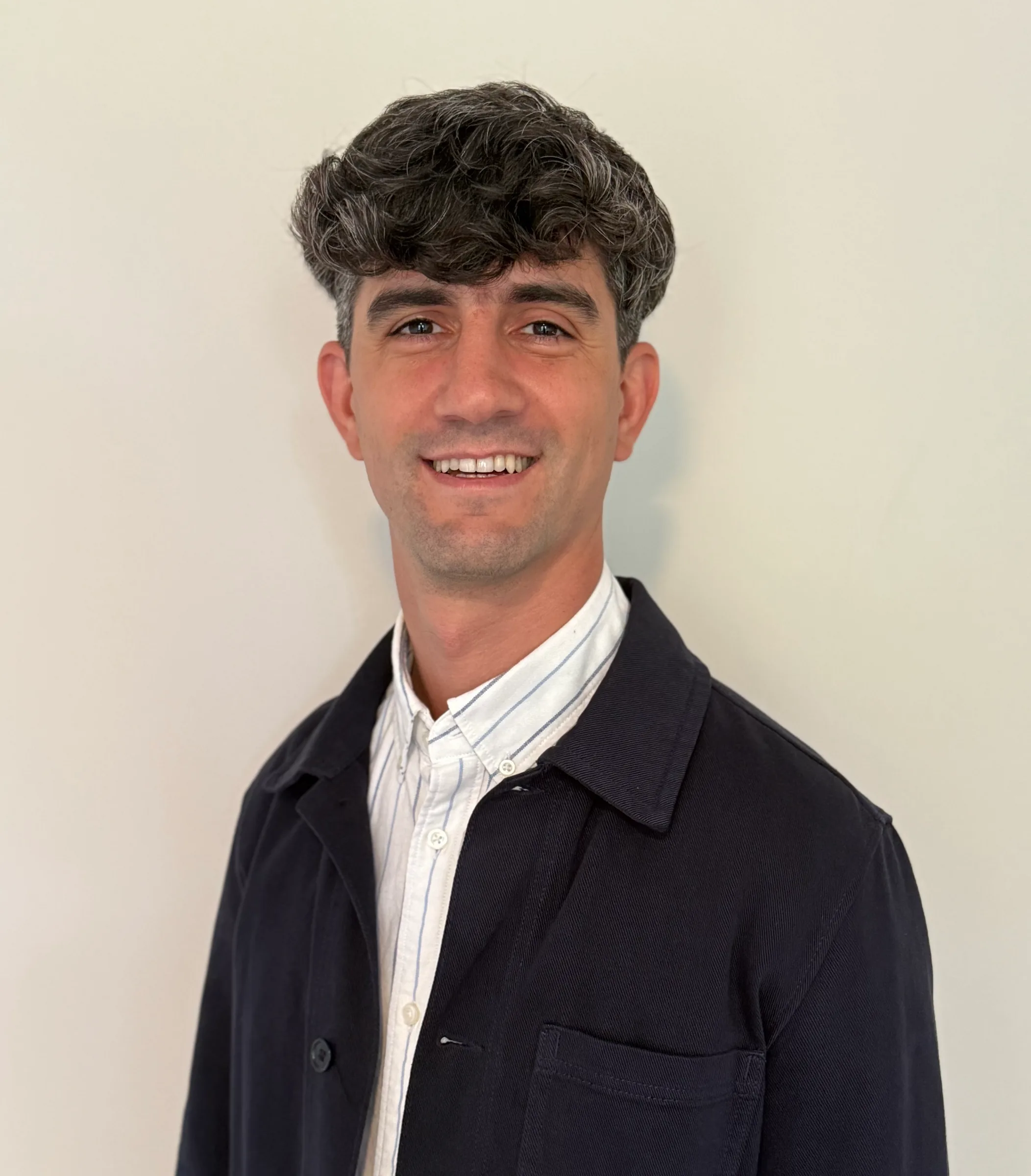
Global Programming and Fellowships
One in seven children globally is affected by mental health and learning challenges — and 90% of them live in low- and middle-income countries, where access to mental health care is often limited. To reach them, our Stavros Niarchos Foundation (SNF) Global Center for Child and Adolescent Mental Health partners with young people, governments, NGOs, and supporters across the globe to bridge gaps in research, democratize care, and invest in next-generation leaders.
0
countries engaged
0+
professionals and peers trained
0
clinical, research, and communications fellows
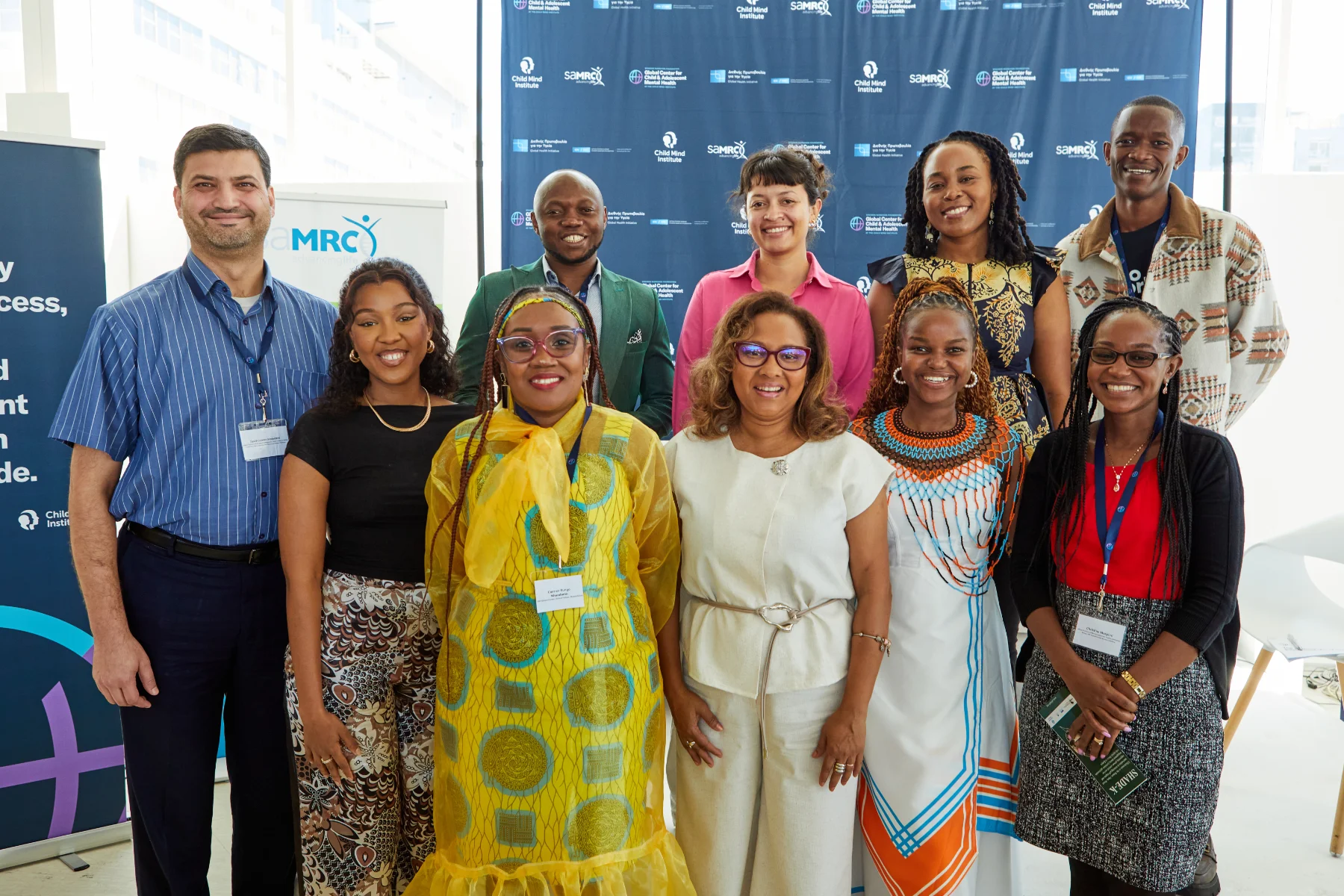
Our growing Stavros Niarchos Foundation (SNF) Global Center fellowship program supports next-generation leaders who are working to improve youth mental health in low- and middle-income countries. The Child Mind Institute currently has 25 fellows working across clinical care, research, and communications.
“Thanks to this initiative, Mozambique now has two trained multidisciplinary teams. With each year of the fellowship, we are building capacity for more clinicians in Mozambique.”
In March, we welcomed our second cohort of clinical fellows from Mozambique to the Hospital de Clínicas de Porto Alegre (HCPA) in Brazil. The new cohort, which includes psychiatrist Anibal Anube, psychologist Paulino Feliciano, and occupational therapist Florentino Costume (all from Nampula in northern Mozambique) will participate in a year of specialized training in child and adolescent mental health in Brazil before returning to work in Mozambique’s public sector. This milestone coincides with the return of the first cohort of fellows to Maputo, where they are beginning their second fellowship year as a multidisciplinary team.
We have also launched our Communicator Fellowship in South Africa, created in partnership with Radio Workshop. The first cohort — Naomi Grewan, Mary-Ann Nobele, Curtis Mkhize, and Sikelela Rollom — are producing a series of podcast episodes exploring mental health challenges faced by young people in South Africa.
A critical part of the SNF Global Center’s mission is to amplify youth voices and invest in next-generation leaders. Our Global Youth Advisory Council anchors youth involvement across initiatives at the international level. Two representatives from each member country’s Youth Council act as a bridge between local contexts and global strategy, allowing for more grounded implementation and connecting local actions to broader initiatives.
“Being part of the Youth Council means turning my experiences into purpose and helping young people feel seen.”
“The power of young people lies in our diversity — different stories and cultures, one shared mission to create better communities,” says Delice Lumbu, Co-Director of Youth Engagement. “We’re using our voices to shape the systems we’ll inherit.”
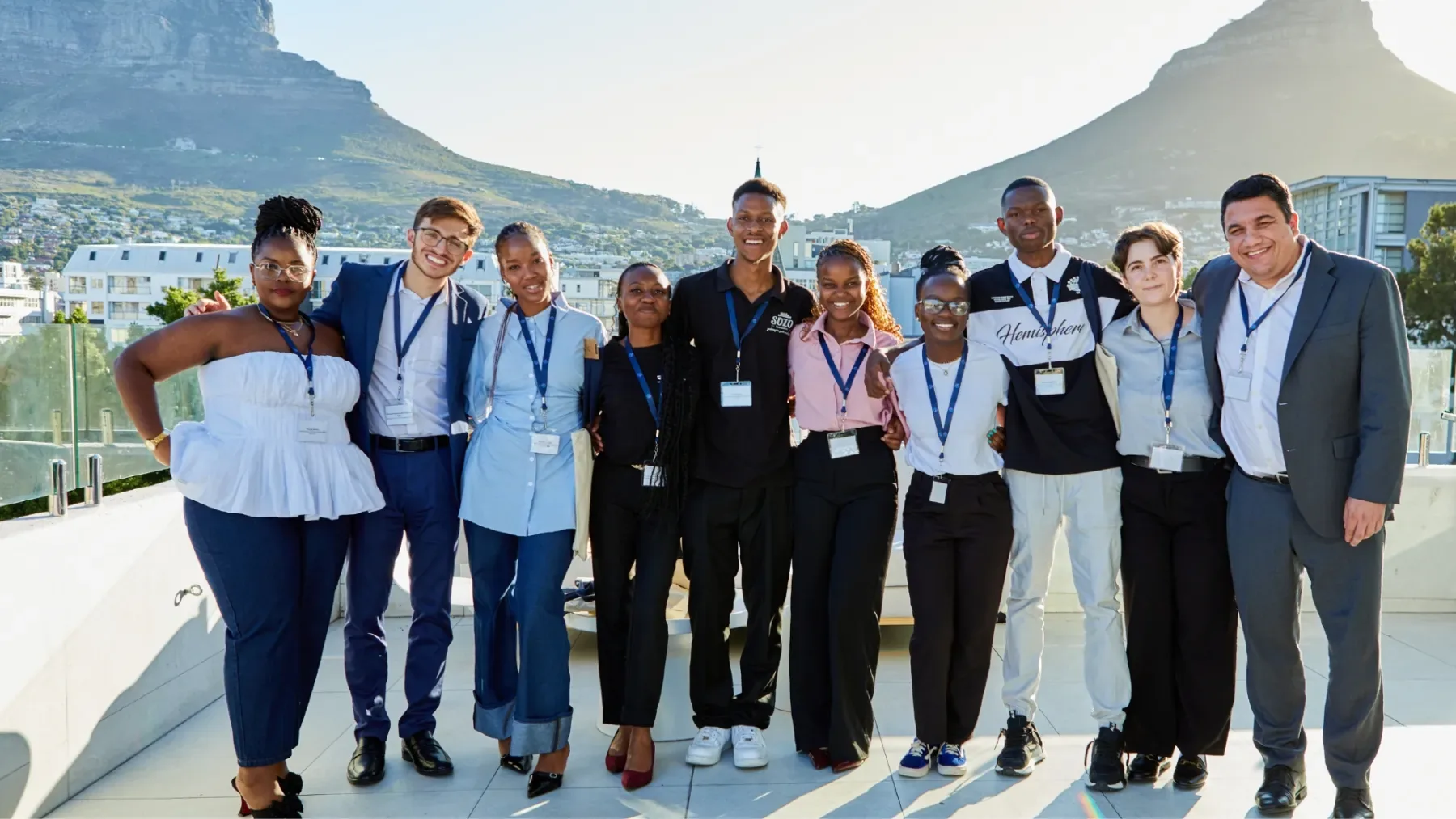
During United Nations General Assembly week in September, the SNF Global Center hosted the inaugural Global Summit on Youth Mental Health, convening young leaders from several countries — including Brazil, South Africa, and Greece — as well as international experts in child and adolescent mental health care. Under the theme “The Digital Dilemma: Bridging Science and Storytelling for Youth Mental Health,” the day featured discussions on grassroots youth leadership, reimagining digital connectivity for positive mental health, and ensuring young people have a voice in shaping mental health policy and systems.
“What I love to see in these types of summits is adults actually listen. The only way we can break down barriers is if older generations try to get on our level.”
The Stavros Niarchos Foundation (SNF) Global Center for Child and Adolescent Mental Health at the Child Mind Institute hosted its third annual Expert Gathering in Cape Town, South Africa. Led by our South Africa Youth Council and held in partnership with the South African Medical Research Council, the two-day event’s theme was “Beyond the Table: Youth as Co-Creators in Change for Mental Health.”
“This was the first meeting I have ever attended that truly walked the talk of youth involvement.”
More than 100 participants — including government partners, clinicians, researchers, NGOs, funders, and youth leaders from all over the world — came together to explore what’s working in global youth mental health, where gaps remain, and what’s needed next. The gathering concluded with a powerful Youth Council report calling for clearer communication of research, culturally and linguistically relevant tools, and stronger community-based supports for young people.
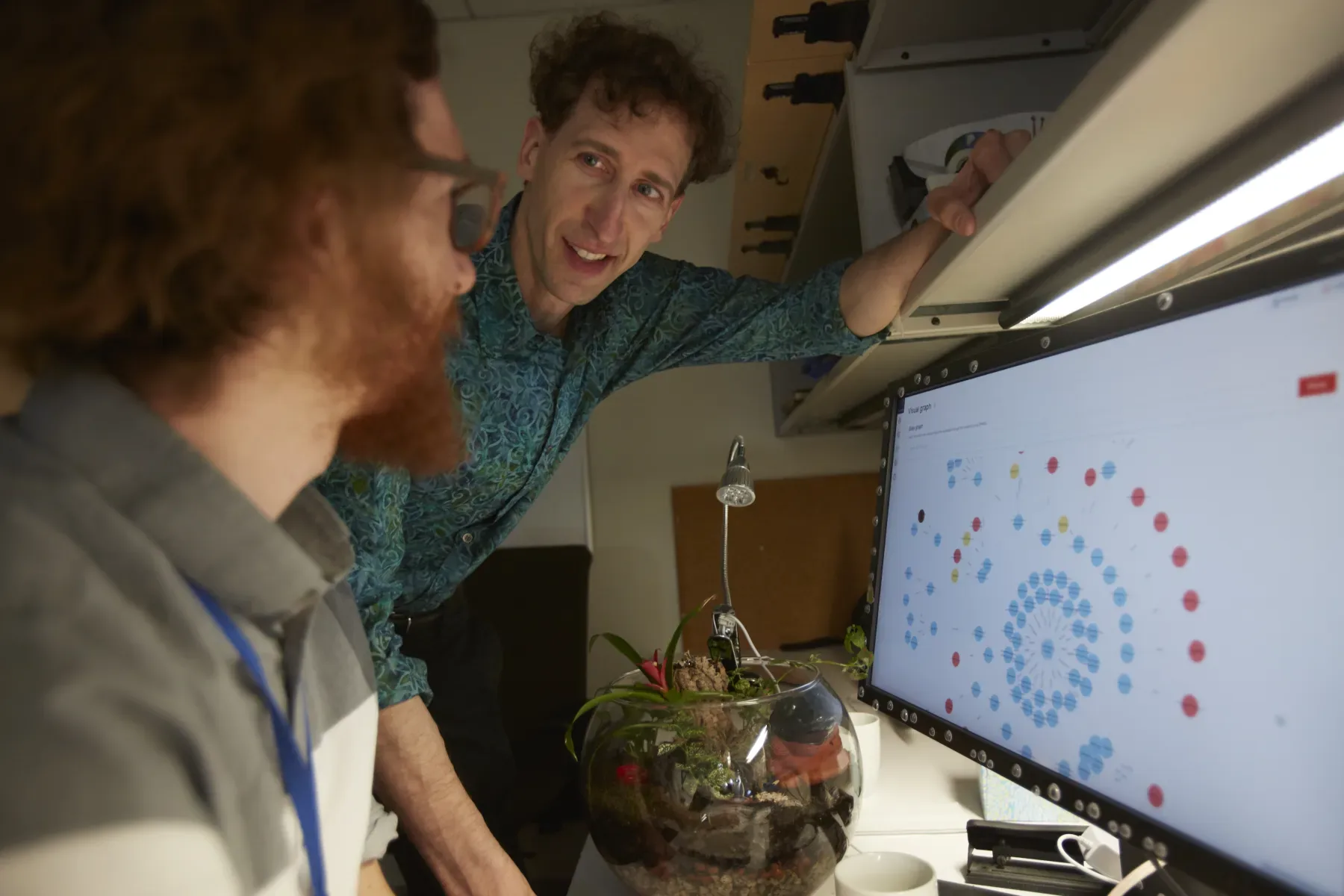
Since 2014, our Multimodal Brain/Body Imaging Laboratory (MoBI) has supported the assessment of more than 8,780 children through the Healthy Brain Network, helping them get accurate mental health diagnoses while building datasets that transform our understanding of the developing brain. Unlike traditional neuroimaging approaches that rely on expensive MRI scanners and require children to remain motionless in confined spaces, MoBI uses portable and wearable sensors, including EEG, eye tracking, motion capture, wrist-worn activity monitors, and physiological measures, to capture brain and body data in more natural settings. This approach is lower cost, more scalable, more inclusive of diverse participants, and better suited to real-world deployment in resource-limited settings.
Now, with support from the SNF Global Center, MoBI is expanding internationally by building new labs in South Africa and Brazil, adapting tools to local languages and cultures, and partnering with community organizations to reach underserved populations. The result will be more diverse datasets that better represent the approximately one in seven children worldwide affected by a mental health or learning disorder.
Our Child and Adolescent Mental Health Initiative’s (CAMHI) training programs are designed to support professionals and individuals working with children and adolescents in Greece. Each program is tailored to a specific audience — including educators, psychologists, child psychiatrists, social workers, parents and caregivers, pediatricians, judicial officials, prosecutors, and staff in childcare institutions. Our programs provide targeted knowledge and practical tools to help strengthen their ability to support young people.
“The training was extremely satisfying and especially valuable for our future judicial duties, led by exceptional speakers!”
This programming includes trainings for aspiring and practicing judicial professionals at the National School of Judges (ESDi), focused on educating and supporting them in effectively and sensitively addressing the challenges they face in their duties with children, adolescents, and families. To date, we have trained 132 ESDi students prior to their graduations, as well as provided continuing education to 1,274 active judges and prosecutors.

Today, there is still no single youth mental health assessment system that is globally consistent, culturally adaptable, and freely accessible. As a result, many children and adolescents — especially in underresourced communities — are overlooked or unable to access the right support. Systems struggle to compare data, identify needs early, and make informed decisions about treatment and prevention.
“LUMI is designed to support more equitable, culturally responsive, and evidence-informed care for children and adolescents around the world.”
Our response is the Library of Universal Mental Health Instruments (LUMI): an open-access library of mental health assessments designed for young people, families, providers, researchers, and schools around the world. This globally developed and tested ecosystem helps identify more than 30 mental health disorders and areas of functioning through a scientifically rigorous yet culturally responsive approach. Co-developed with more than 300 international experts, clinicians, researchers, linguists, and youth advisors, LUMI creates a shared language for youth mental health across countries and communities while respecting local context and culture. In the coming year, LUMI will become freely available in more than 12 languages for schools, clinics, researchers, and communities worldwide, while also being integrated into national health and education systems in Greece, Brazil, and South Africa.
“Every child deserves a happy, healthy life — no matter where they’re born.”
Thought Leadership and Press
From our new Thriving Kids podcast to our social media audience of 1.9 million, to conferences and media appearances around the world, we help young people, parents, educators, policymakers, and industry partners find the answers they need — from voices they can trust.
0
Media Mentions
across digital, broadcast, and print in 2025
0B
Media Impressions
reaching audiences around the world
0
Broadcast Segments & Pickups
on national and local TV and radio
In July, the Child Mind Institute launched Thriving Kids, a new weekly podcast for parents and caregivers who want clear, honest answers about child and adolescent mental health. Hosted by Dave Anderson, PhD, clinical psychologist and Vice-President, Public Engagement and Education at the Child Mind Institute, each episode tackles a common parenting challenge — from anxiety to tantrums to school struggles — with practical strategies backed by science. The podcast also publishes a companion newsletter that reinforces each week’s topic with key takeaways, bonus tips, and resource links.
“As a first-time parent, many things I’m now only learning as an adult myself.”
August marked the launch of The Science of Parenting, a brand-new MasterClass series featuring the Child Mind Institute’s Dave Anderson alongside leading child and teen psychologists Lisa Damour, Aliza Pressman, and Koraly Pérez-Edgar. The series addresses some of the most common challenges in modern parenting while providing caregivers with practical, evidence-based tools to reduce burnout, support healthy development, and raise resilient, confident kids.
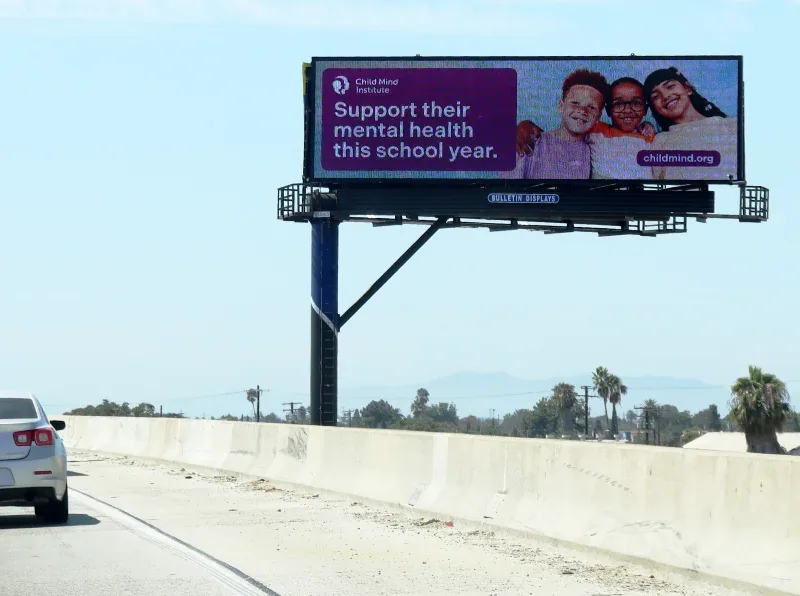
Our 2025 Back-to-School campaign included a California-based out-of-home initiative featuring advertising on nine billboards and six transit shelters across Los Angeles, San Francisco, and San Mateo counties. Billboards across California highways encouraged families to seek care and support in person at our San Mateo clinic or using our free online resources at childmind.org.
In 2025, the Child Mind Institute brought our work and voice to leading conferences, summits, and convenings around the country and the world.
At SXSW London, Child Mind Institute leadership joined a global conversation on the youth mental health crisis, sharing strategies from our work and calling for coordinated, scalable solutions to expand care for young people worldwide.
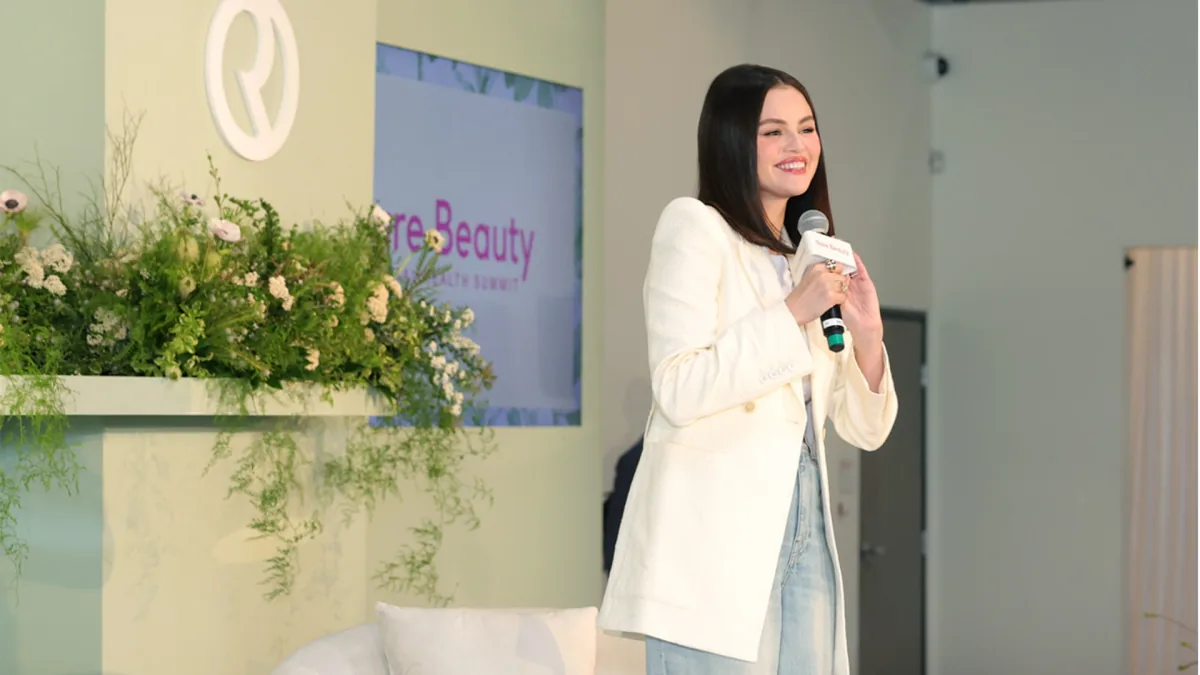
The Child Mind Institute joined Selena Gomez’s Rare Impact Fund at the Rare Beauty Mental Health Summit in Los Angeles, where 175 thought leaders, creators, and advocates came together to explore self-acceptance, the power of connection, and resilience.
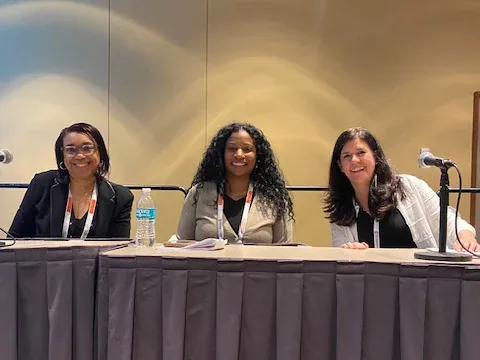
In May, the Child Mind Institute presented at NatCon2025, the nation’s largest mental health conference, sharing new research on barriers to care for Black families and discussing evidence-based strategies to improve access and outcomes.
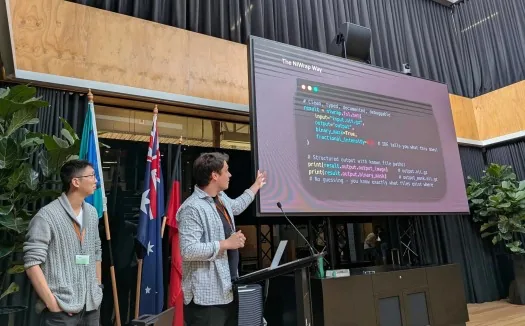
At the Organization for Human Brain Mapping conference in Brisbane, Child Mind Institute researchers joined nearly 2,000 scientists from around the globe to present new findings, lead workshops, and collaborate on advancing brain science.
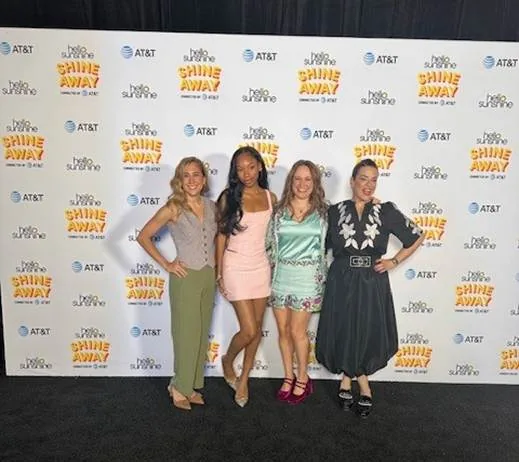
At Reese Witherspoon’s Hello Sunshine Shine Away Conference in Los Angeles, Janine Domingues, PhD, Senior Director of Professional Training for School and Community Programs and a senior psychologist in the Anxiety Disorders Center, participated in a panel about how to raise strong, independent girls by rethinking the way we communicate to them, about them, and to ourselves.
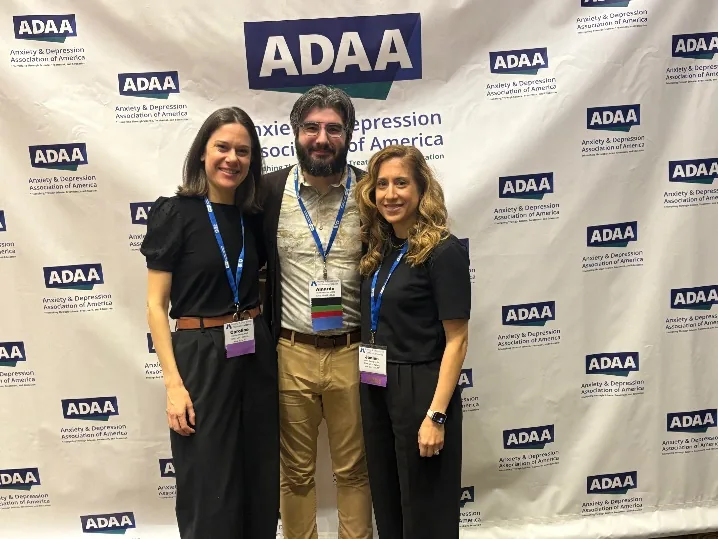
Child Mind Institute clinicians and researchers presented at the Anxiety and Depression Association of America’s annual conference, sharing advances in school-based mental health care, highlighting research, and earning national recognition for leadership in treating anxiety and depression.
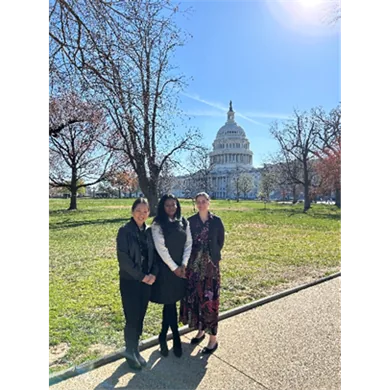
The Child Mind Institute held its annual Hill Day in Washington, D.C., meeting with Senate offices from New York and California to share the impact of our school and community programs and advocate for continued federal support to expand youth mental health services.
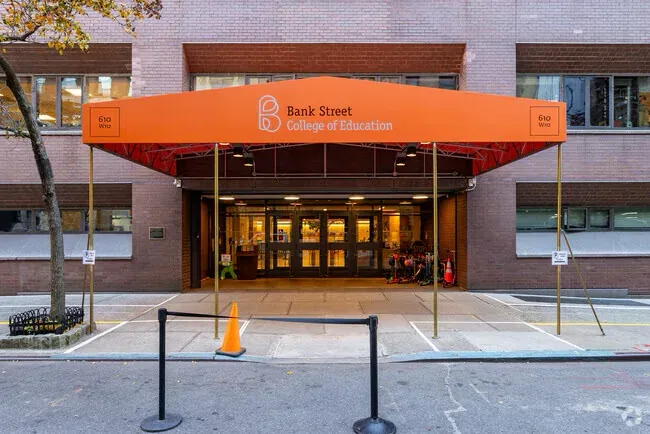
At the Principal Innovation Fellows convening hosted by Bank Street College of Education, Safiya Addison, Vice President of School and Community Programs, shared insights with public high school leaders on integrating mental health and human services pathways into curriculum design.
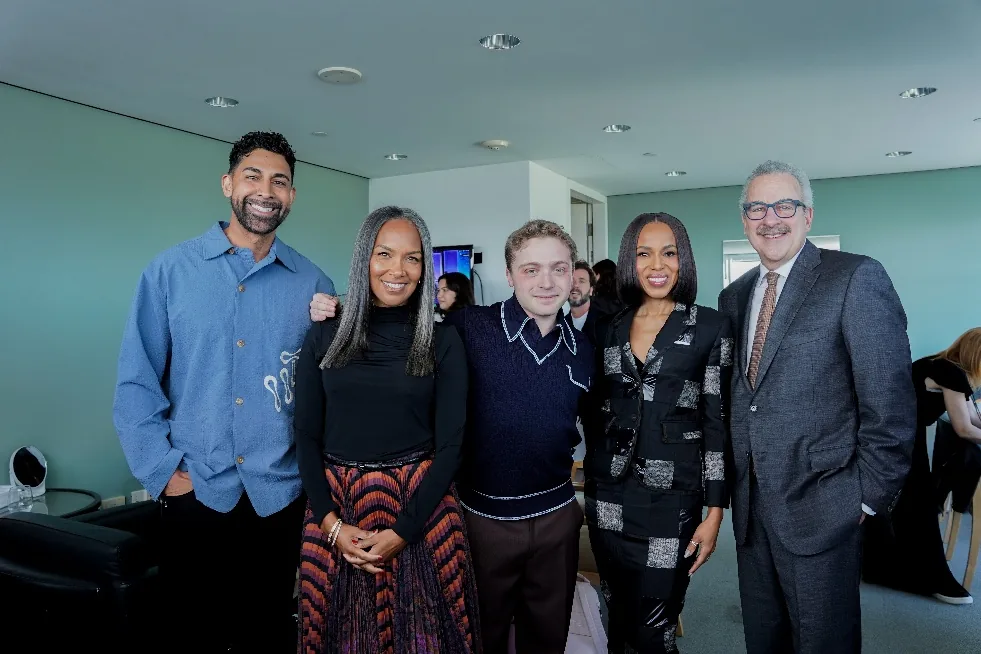
The Child Mind Institute joined A Day of Unreasonable Conversation in Los Angeles, where Harold S. Koplewicz, MD, participated in a panel moderated by Kerry Washington alongside creators Jake Shane, Dhar Mann, and Mara Brock Akil. The discussion explored how to tell more authentic and nuanced stories about mental health, moving beyond moments of crisis to depict coping, connection, and healing.
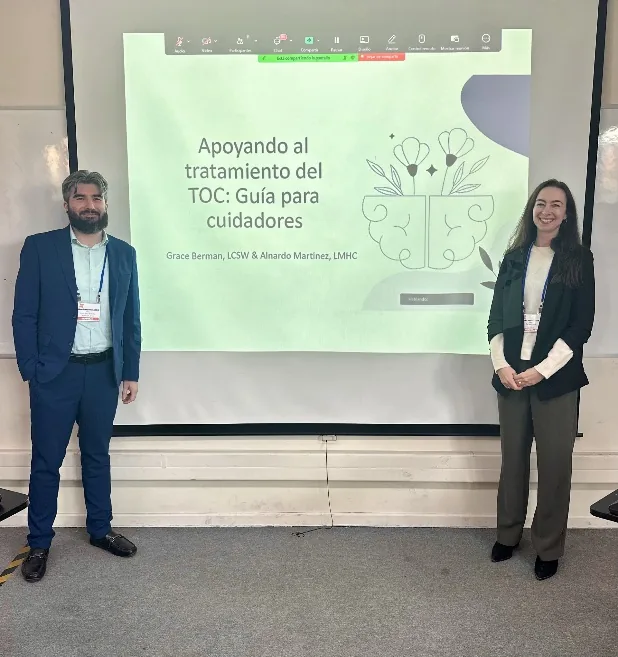
In Valparaíso, Chile, at the Fourth Latin American OCD Congress, Alnardo Martinez, LMHC, Interim Director of the Pediatric OCD Intensive Service, presented on strategies for caregivers supporting children with OCD treatment, including recognizing symptoms, reducing unhelpful accommodations, and promoting therapeutic environments.

Michael Milham, MD, PhD, Chief Science Officer, represented the Child Mind Institute on a panel at the High-Level Meeting on Child Dignity in the Artificial Intelligence Era at the Vatican, championing our principle that technology must serve people, especially our children. His participation included a private audience with Pope Leo XIV.
At the eMental Health International Collaborative (eMHIC) Congress in Toronto, the Child Mind Institute’s Center for Data Analytics Innovation and Rigor (DAIR) presented on multiple topics: responsible AI use, machine learning for crisis detection, youth participatory research, and AI-driven clinical insights from personal journaling.
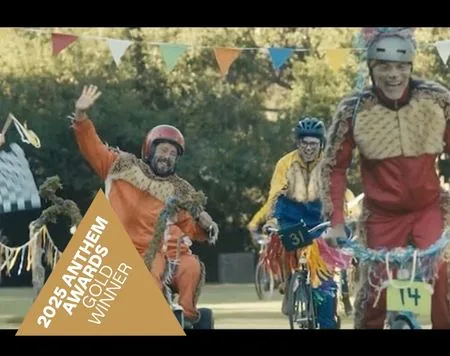
The Child Mind Institute’s Emmy-nominated Healthy Minds, Thriving Kids Pre-K series (also known as Hedgehog Land) was named a Gold Winner at the 5th Annual Anthem Awards, recognizing its impact in early childhood education by helping young children build foundational mental health fitness skills.








Donors, Partners, and Leadership
Because of our supporters, children and families around the world can get the help they need. Your extraordinary generosity fuels our work across care, education, and science — transforming millions of lives and expanding what is possible for the future of youth mental health.
Please note that all acknowledgments pertain to donations received between January 1, 2025, and December 31, 2025. Gifts received in fiscal year 2026 will be acknowledged in the 2026 Annual Report.
* Includes multiyear gift.
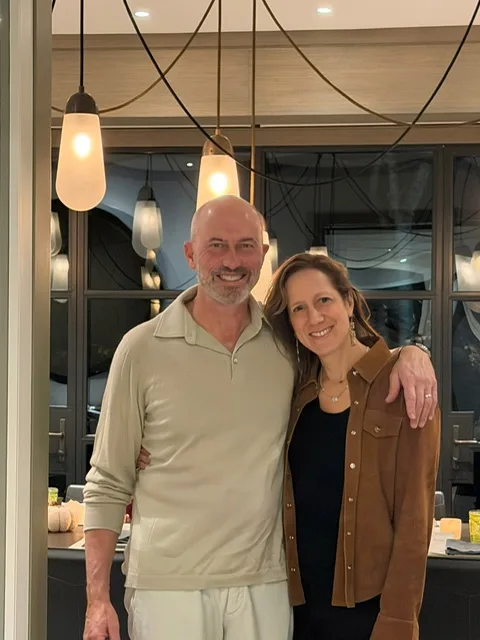
For more than a decade, David Shapiro and Abigail Pogrebin have been dedicated supporters of the Child Mind Institute, turning their family’s personal experience into lasting impact for other children and families. At age 12, their son Ben received treatment for OCD at the Child Mind Institute from the late Jerry Bubrick, PhD. His care was life-changing for Ben and so many other children. Now 29, Ben has written and spoken publicly about his experience to help reduce stigma and encourage other young people to seek help. Today, Ben is not only managing his OCD — he is thriving as a history teacher, supporting kids like his younger self.Since joining the Board of Directors in 2014, David has been a generous advocate and leader. Most recently, David and Abigail helped launch the Bubrick Center for Pediatric OCD with a transformative commitment honoring Dr. Bubrick. Their gift also endowed the Shapiro Family Director position at the Bubrick Center for Pediatric OCD, now held by Theresa Welles, PhD. Under the leadership of Dr. Welles, the Bubrick Center is expanding our gold-standard OCD treatment and training the next generation of leaders in the field.
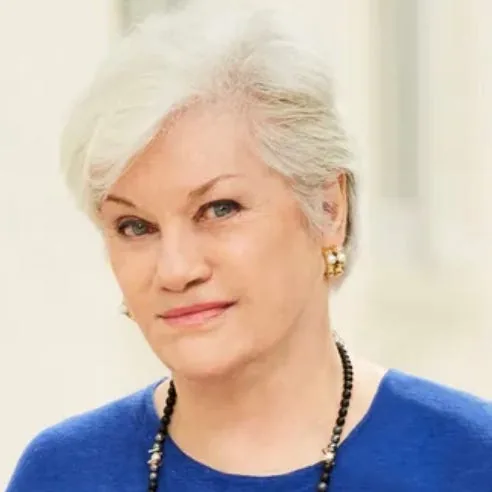
Patricia Warburg Cliff’s decades of mental health advocacy and philanthropy come from a deeply personal place. The loss of her son, Kenneth Johnson, shaped her lifelong commitment to helping other families get accurate diagnoses and evidence-based care. When Patricia was introduced to Harold Koplewicz, MD, and the Child Mind Institute, she realized she had found a place where families were getting real results — a place she would’ve trusted with her own son. One of Patricia’s greatest contributions to children’s mental health is the bequest she has made to the Child Mind Institute as a member of our Legacy Society. Her generosity is not only a continuation of her own legacy and her son’s; it ensures families like hers get the help they need for years to come.
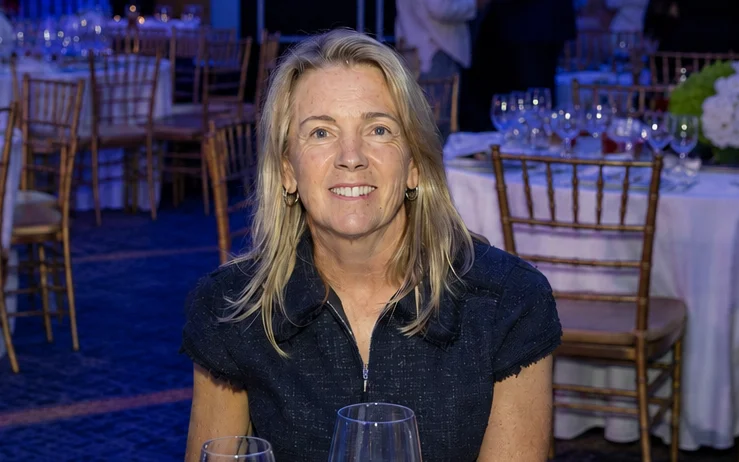
Jenny Price has been a loyal and dedicated supporter of the Child Mind Institute since 2012. Over the years, her support has grown alongside our work — evolving to meet the changing needs of children and families, while encouraging others to join her in advancing our mission. This past spring, Jenny graciously hosted a group of guests from her community at a dinner event in support of the Child Mind Institute. And she sets a powerful example: in 2025, Jenny made a generous gift via the Price Family Foundation to support key growth areas of our work, such as the Healthy Brain Network and our School and Community Programs’ professional training program.
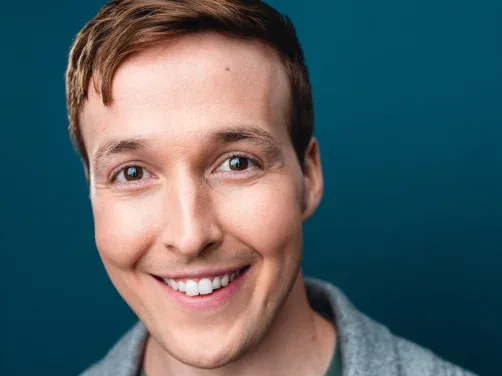
Since childhood, Brian Patterson dealt with OCD and other personal struggles. Early intervention was instrumental to helping him grow up healthy and happy. When two family members introduced him to the Child Mind Institute, he saw how our work mirrored his experience — prioritizing early intervention with the goal of helping families before they reach a crisis point. Through a recent four-year pledge, Brian hopes to pay forward the support he received as a child and help more families access not only treatment, but also free public education resources and in-school services. “I want children like my younger self to know that everyone has their own struggles,” Brian says, “and that it’s going to be okay.”
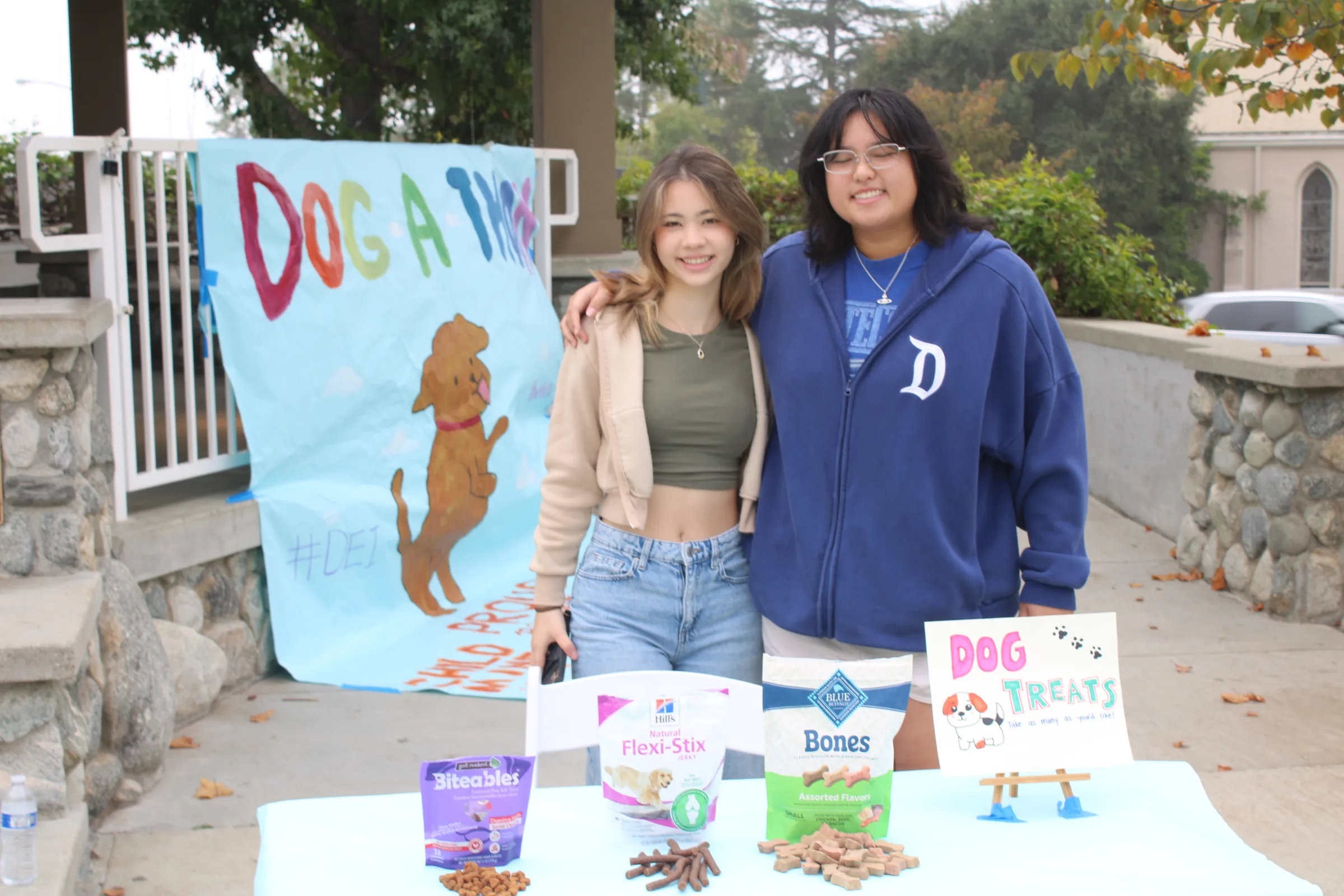
High school student Shiu Shiu Larsen was introduced to the Child Mind Institute as a participant in our Youth Mental Health Academy, a training program for young people interested in careers in mental health. Her experience inspired her to raise awareness about why mental health matters — and to fundraise for the Child Mind Institute. Shiu Shiu spearheaded the Dog-A-Thon, a dog-walking social event, and her community rallied behind the cause. “At first, I felt a little nervous, because over 150 people RSVP’d,” Shiu Shiu says. “But leading the Dog-A-Thon taught me that I can talk to families, students, and teachers about the importance of mental health.”
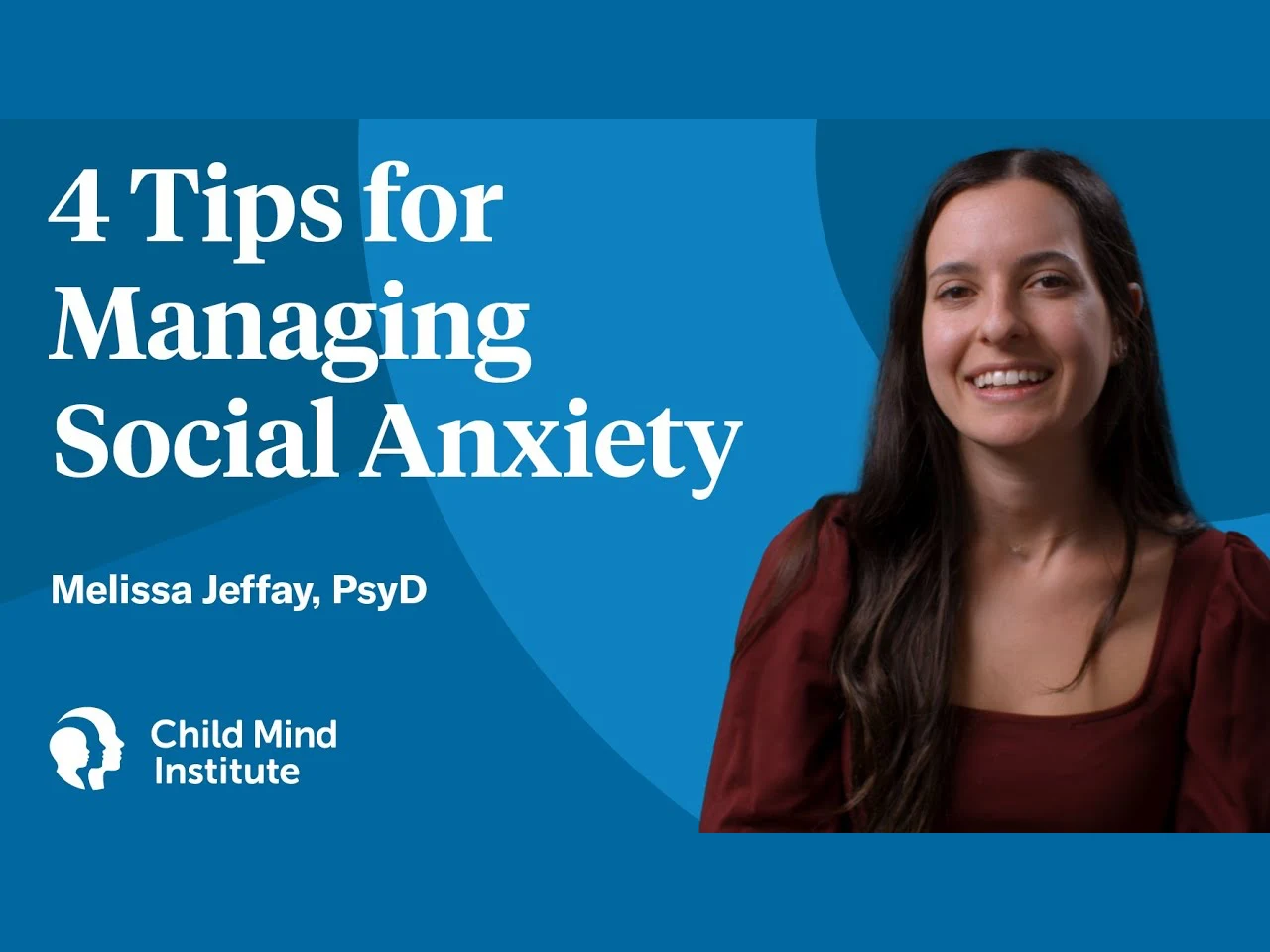
YouTube is a longtime partner and event sponsor of the Child Mind Institute. In 2025, we became a recognized partner in YouTube’s latest initiative dedicated to mental health and well-being content aimed specifically at teenagers. This feature serves evidence-based, age-appropriate videos on topics like depression, anxiety, ADHD, and eating disorders when teens search for related terms. It features content from our You Are Okay platform, which is crafted to speak to adolescent audiences in a way that feels genuine and accessible.
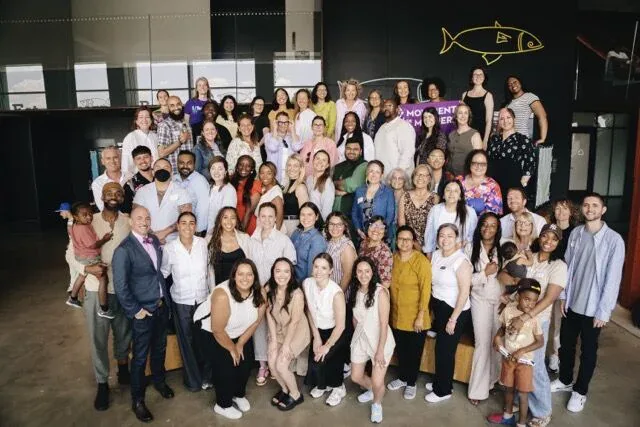
In January 2025, the Rare Impact Fund, founded by actress and singer Selena Gomez, committed to a two-year grant supporting the Child Mind Institute’s School and Community Programs. As part of Rare Beauty’s broader dedication to promoting mental health and self-acceptance, the Rare Impact Fund aims to increase access to mental health resources for youth. In June, the Rare Impact Fund hosted all grantee organizations, including the Child Mind Institute, in New York City at its inaugural capacity-building workshop, featuring a panel with our own Harold S. Koplewicz and other leaders in the field. The three-day gathering brought together 30 nonprofit organizations from five continents — all coming together to continue scaling impact for youth mental health.
The Child Mind Institute remembers founding board member and friend Howard Katz. As one of our earliest champions, his leadership and guidance advanced our mission and shaped the organization we are today.
Howard was a steadfast advocate for mental health. He and his wife, Ellen, generously established the Adam Katz Memorial Conversation in memory of Howard’s son, who struggled with ADHD and dyslexia and tragically died in 2002. This annual event raises awareness for mental health and learning disorders and helps reduce the stigma around seeking help. Howard and Ellen were both very proud when Ellen’s daughter Zibby Owens joined our board in 2016.
Before joining the Child Mind Institute, Howard and Ellen served on the board of the NYU Child Study Center. Howard spent nearly 40 years as a general partner at Goldman, Sachs & Company and held numerous civic and philanthropic leadership roles.
Howard was a cornerstone of the Child Mind Institute and a constant source of wisdom, warmth, and generosity. His commitment to children and families leaves a lasting impact on the Child Mind Institute and beyond.
Events
Friends of the Child Mind Institute gathered across galas, luncheons, and the SoFi Child Mind Institute Golf Invitational to champion children’s mental health.
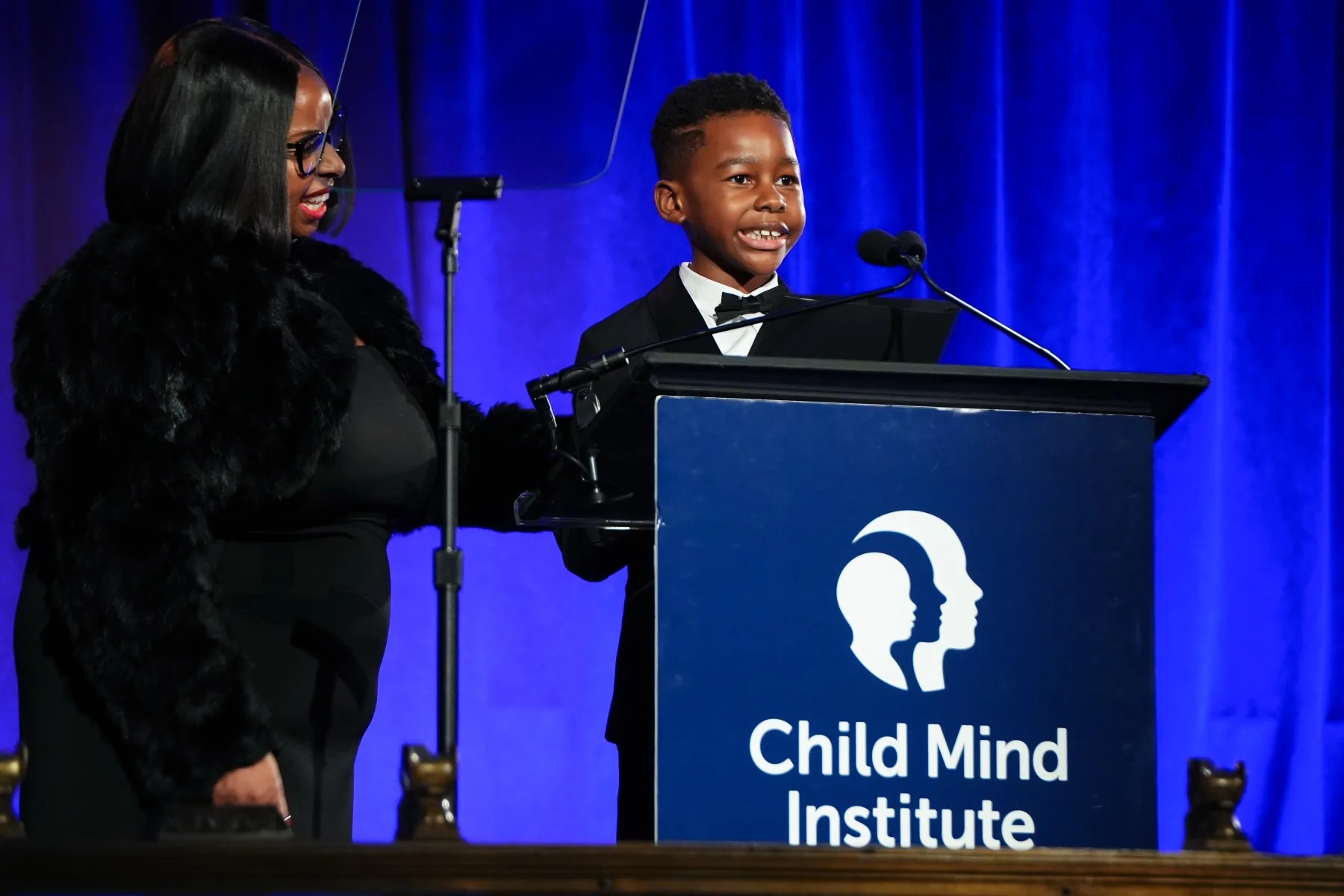
The Child Mind Institute hosted our 2025 Child Advocacy Award Dinner at Cipriani 42nd Street — another record-breaking evening that brought together nearly 1,000 guests and raised more than $11.5 million, the highest total in our organization’s history. We were proud to honor Adam Smith and KKR for their leadership in supporting children’s mental health, with actor Orlando Bloom serving as the evening’s emcee. A highlight of the night came from 8-year-old CMI patient Merrick, who shared his experience in our ADHD Summer Program and had the entire room laughing.
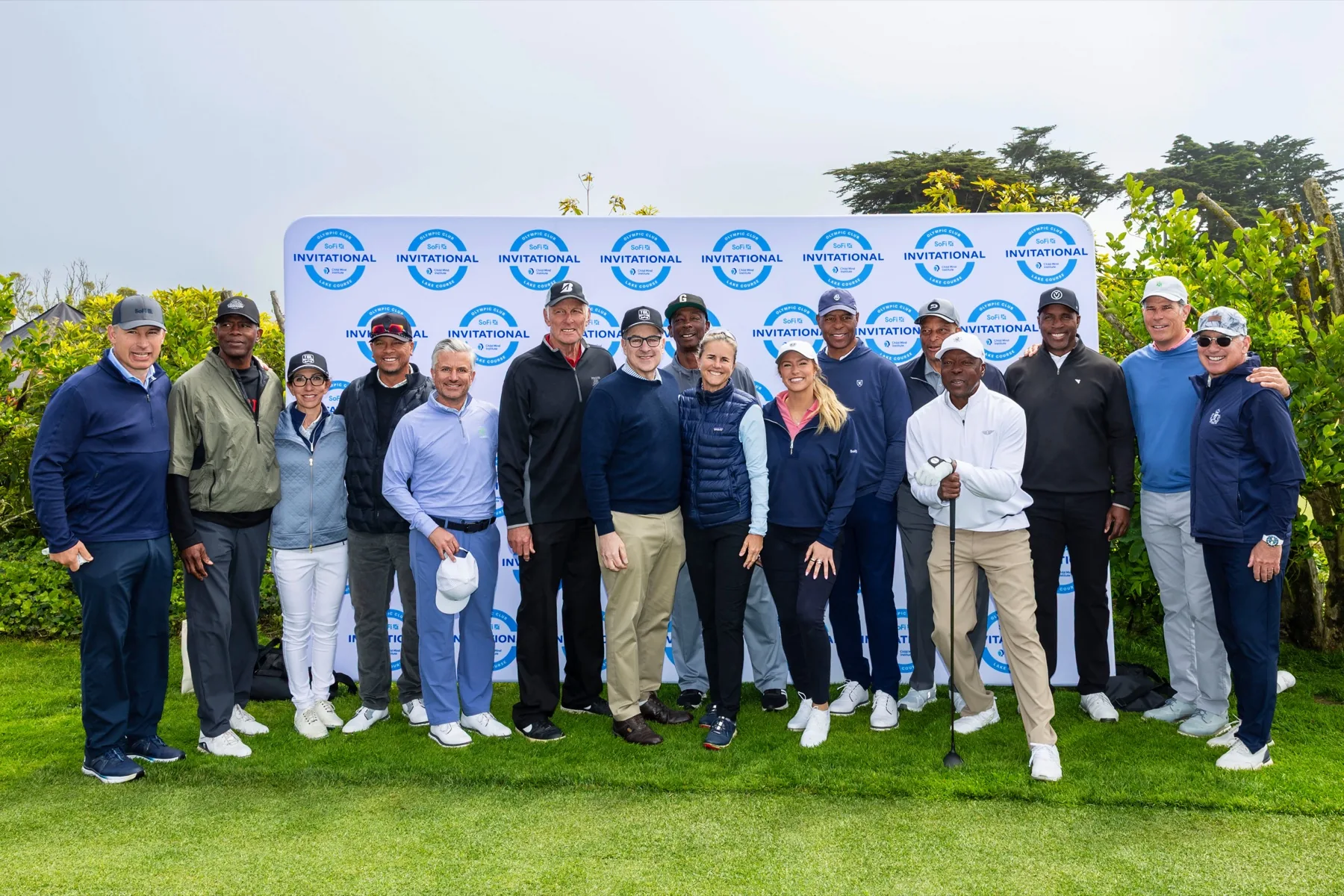
We hosted the annual SoFi Child Mind Institute Golf Invitational at the Olympic Club in San Francisco, raising a record-breaking amount to support the Child Mind Institute’s mission. More than a dozen athletes, including Marcus Allen, Rick Barry, Steve Bono, Brandi Chastain, Emma Carpenter, Royce Clayton, Vince Coleman, Kathryn Imrie, Ronnie Lott, Jerry Smith, and Eric Wright, joined over 100 Child Mind Institute supporters for a memorable day on the links. The day concluded with a cocktail reception and dinner, emceed by Emmy Award–winning journalist and NBC News anchor Raj Mathai and featuring former NFL player Alex Smith, who shared about his personal mental health journey.
Our 2025 Spring and Fall Luncheons brought together supporters on both coasts around a shared theme: “Parenting in a Complex World: How Kids and Parents Can Cope During Challenging Times.” The Spring Luncheon in New York City, moderated by actress and comedian Ali Wentworth, and the Fall Luncheon in Menlo Park, moderated by California First Partner Jennifer Siebel Newsom, both featured panel conversations with award-winning author Melinda Wenner Moyer and Child Mind Institute clinicians. Together, the events welcomed more than 380 attendees to support our mission.









Leadership
Board of Directors, Scientific Research Council, and West Coast Advisory Council as of publication (June 2026)
Fiscal Year 2025
In fiscal year 2025, the Child Mind Institute continued to enhance and scale our evidence-based programs to meet the growing needs of children and families experiencing mental health and learning disorders both in the United States and globally. We prioritized strengthening long-term sustainability and expanding access to support and services, including opening the Geoffrey and Sarah Gund Learning and Diagnostic Center, providing life-changing care through more than 56,000 clinical appointments, advancing innovative digital solutions, expanding training opportunities for the next generation of mental health professionals, and growing our reach in 13 countries.
Through these efforts, we continued to build the infrastructure, partnerships, and capacity needed to reach more children where they are and deepen our impact for years to come. We are grateful for the support that makes this work possible.
| Child Mind Institute, Inc. | Child Mind Medical Practice, PLLC | Child Mind Medical Practice, PC | Intercompany Eliminations | Combined Total | |
|---|---|---|---|---|---|
| Assets | $158,990 | $9,673 | $2,080 | ($24,669) | $146,074 |
| Liabilities | $92,225 | $15,461 | $7,840 | ($24,669) | $90,857 |
| Net Assets | $66,765 | ($5,788) | ($5,760) | $0 | $55,217 |
| Total Liabilities and Net Assets | $158,990 | $9,673 | $2,080 | ($24,669) | $146,074 |
| Child Mind Institute, Inc. | Child Mind Medical Practice, PLLC | Child Mind Medical Practice, PC | Intercompany Eliminations | Combined Total | |
|---|---|---|---|---|---|
| Foundations, Corporations, Individuals | $33,107 | $0 | $0 | $0 | $33,107 |
| Special Event Revenue, Net | $12,267 | $0 | $0 | $0 | $12,267 |
| In-Kind Services/Donated Artwork | $432 | $0 | $0 | $0 | $432 |
| Patient Service Revenue | $0 | $25,114 | $3,000 | ($833) | $27,281 |
| Grants and Subcontracts | $26,678 | $3,794 | $1,443 | ($5,350) | $26,565 |
| Other Revenue | $9,409 | $774 | $0 | ($6,944) | $3,239 |
| Total Revenue | $81,893 | $29,682 | $4,443 | ($13,127) | $102,891 |
| Child Mind Institute, Inc. | Child Mind Medical Practice, PLLC | Child Mind Medical Practice, PC | Intercompany Eliminations | Combined Total | |
|---|---|---|---|---|---|
| Program Activities | $55,264 | $23,234 | $3,667 | ($13,127) | $69,038 |
| Supporting Services | $22,419 | $10,134 | $3,835 | $0 | $36,388 |
| Total Expenses | $77,683 | $33,368 | $7,502 | ($13,127) | $105,426 |
| Child Mind Institute, Inc. | Child Mind Medical Practice, PLLC | Child Mind Medical Practice, PC | Intercompany Eliminations | Combined Total | |
|---|---|---|---|---|---|
| Change in Net Assets/Operating Income | $4,212 | ($3,685) | ($3,059) | $0 | ($2,532) |
| Income tax credit/(expense) | $0 | $0 | ($1) | $0 | ($1) |
| Change in Net Assets | $4,212 | ($3,685) | ($3,060) | $0 | ($2,533) |
($,000)
Child Mind Institute, Inc., Child Mind Medical Practice, PLLC, and Child Mind Medical Practice, PC were audited for the fiscal year ended December 31, 2025 by EisnerAmper LLP.
The allocation of expenses between program activities and supporting services for Child Mind Medical Practice, PC in FY2025 is unaudited.
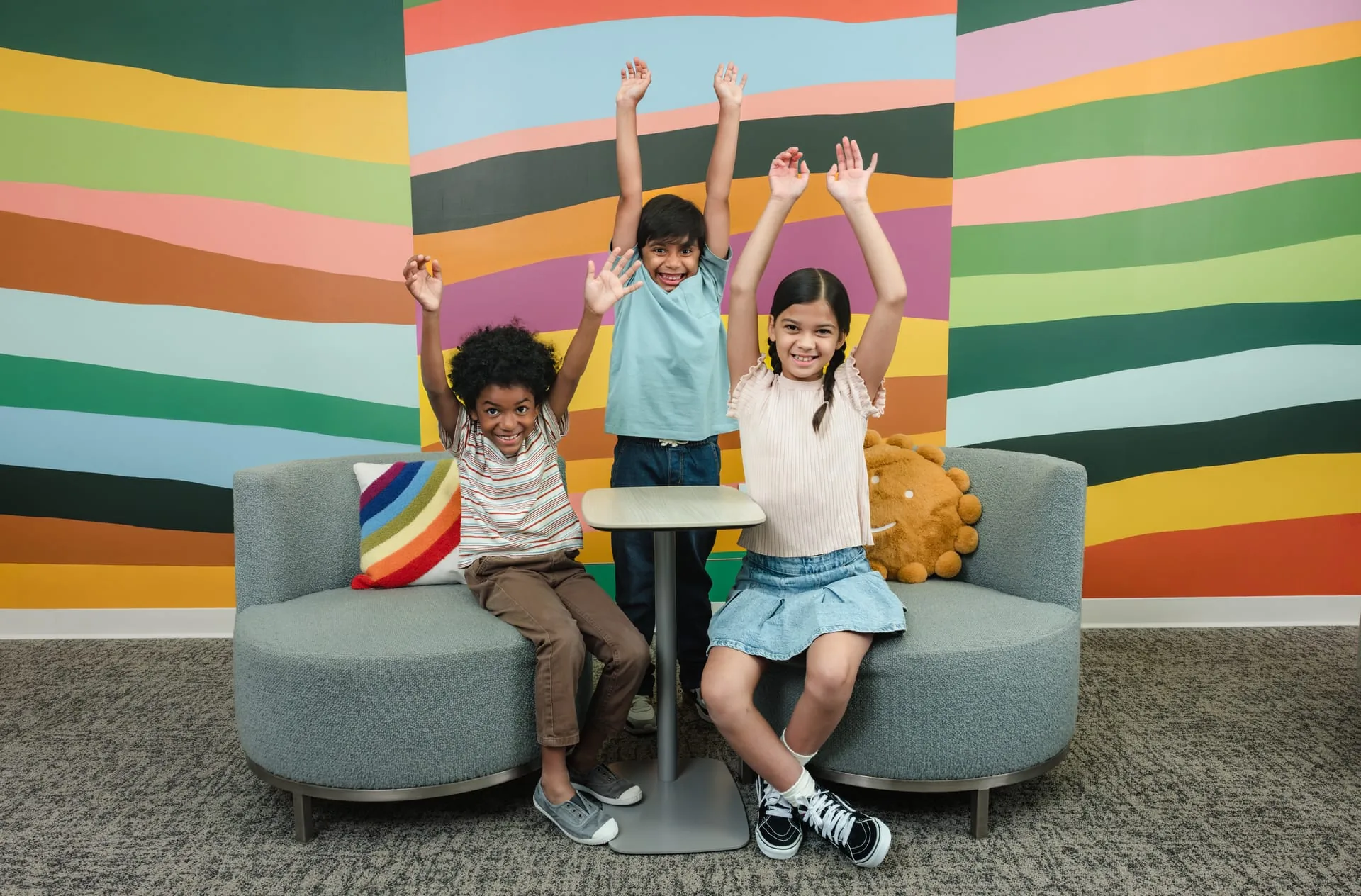
Join our community of supporters and help build a happier, healthier future for children everywhere.
Donate Now