SNF Global Center
Innovations in Clinical Assessment and Intervention

Our Approach
We are dedicated to bringing evidence-based tools and technologies to global settings that will widely increase access to mental health resources. Our cutting-edge science teams are focused on development and implementation of digital tools that are easy to use, configurable for local contexts and designed to facilitate better mental health outcomes, both for the user and through collection of research-grade data to increase our understanding of brain and behavior.
By partnering with academic and commercial entities, we aim to create comprehensive, data-driven solutions that transform mental health care for youth worldwide.
Our Work
We strive to harmonize and optimize the use of biometric measures in mental health research in multiple, diverse settings.

Multimodal Brain/Body Imaging Labs
The Child Mind Institute’s Multimodal Brain/Body Imaging (MoBI) Core accelerates the translation of data into knowledge. We are developing processes and protocols across the Child Mind Institute’s research portfolio to standardize and scale reliable research methods. Our mission is to build multimodal lab spaces capable of simultaneously investigating brain activity; eye movements; physiological signals such as heart and respiration rate, skin conductance; speech and language patterns; graphomotor skills and handwriting and drawing; and body positioning and facial emotion recognition.
We also utilize a wide array of data collection equipment to ensure that our diverse research participants are equitably accommodated. With extensive documentation and recommendations for equipment requirements, we are establishing MoBI labs in Brazil and South Africa where we can collect multimodal data from youth from very different environments, and contrast and compare it with data collected at the Child Mind Institute and the Nathan Kline Institute.
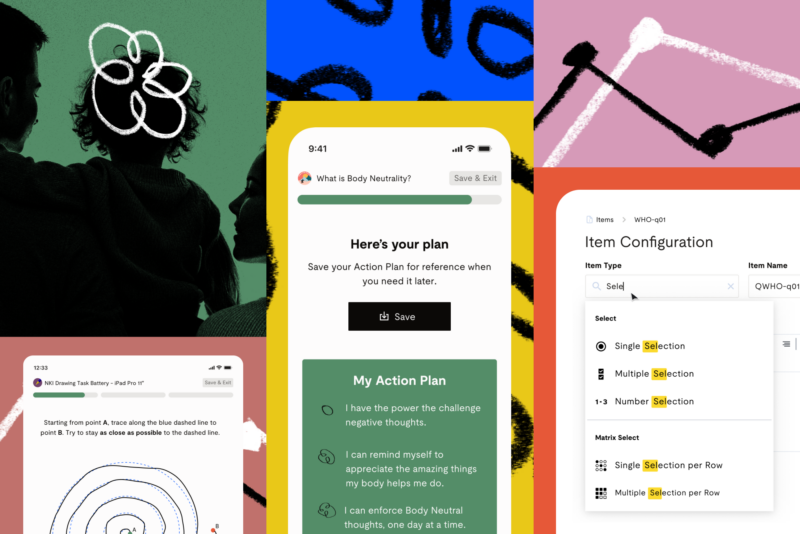
Curious
Curious delivers the tools research organizations need to expand the reach of their work. Create and conduct research studies with scientific rigor and enterprise-grade data privacy.
The Global Center is currently working to tailor the Curious platform to be adapted for use in South Africa and Brazil.
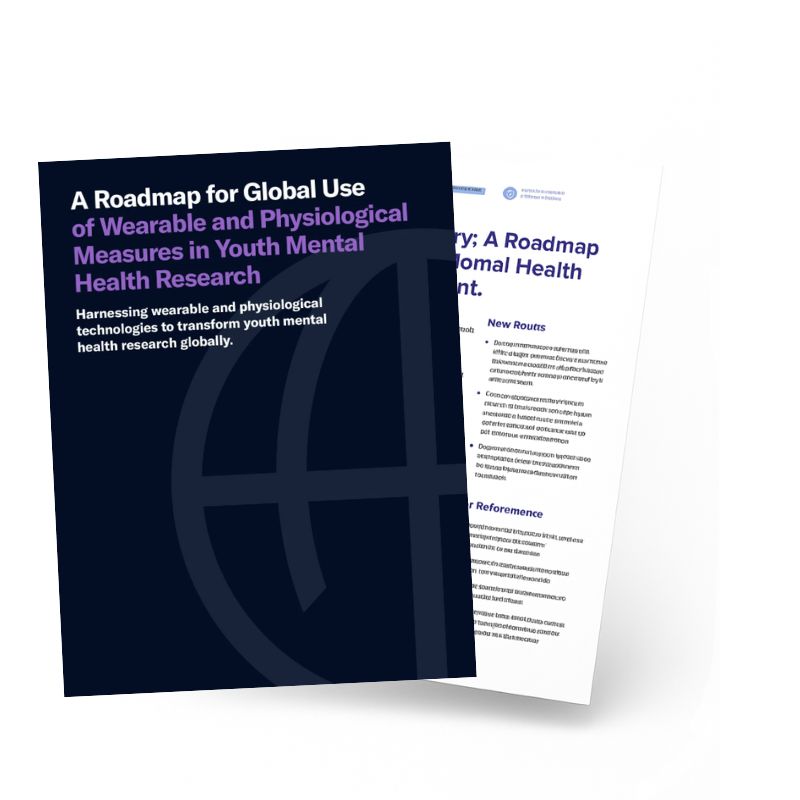
How Wearable Measures Can Transform Youth Care Worldwide
A new white paper from the Stavros Niarchos Foundation (SNF) Global Center for Child and Adolescent Mental Health at the Child Mind Institute charts a strategic course forward, outlining how wearable and physiological measures can bridge the gap between research and real-world clinical care.

Brazilian High Risk Cohort
The Brazilian High-Risk Cohort is a longitudinal study launched in 2009, in which childhood symptoms and family history of psychiatric disorders were assessed in a screening interview, collecting information from 9,937 children at 57 schools in the cities of São Paulo and Porto Alegre, as well as from 45,394 family members.
The collaborative project with the SNF Global Center will add additional data collection measures to the protocol, including administration of the National Institute of Mental Health (NIMH) protocol for ecological momentary assessment (EMA) and sleep and activity monitoring through a wearable device. Research trainees who will participate in the data collection will receive professional development opportunities through directly collaborating with non-profit and government stakeholders at the Child Mind Institute and the SNF Global Center.
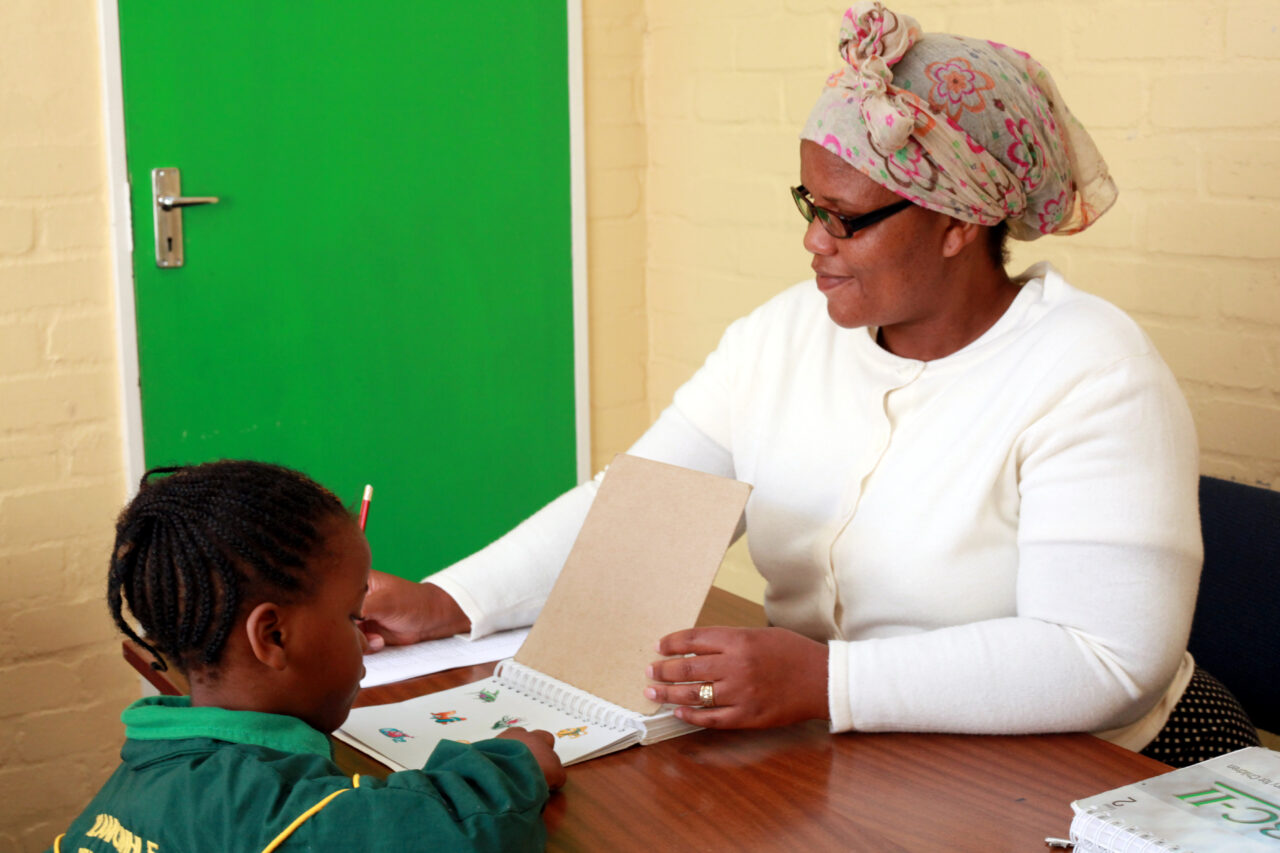
Philani Cohort
Understanding the neurobiology of resilient emotion regulation following adversities is critical for addressing mental health problems globally. At Stellenbosch University we are investigating the neurodevelopment of resilient emotion regulation in adolescents (anticipated N = 525) recruited from a low-income, high-adversity township in South Africa. The Philani birth Cohort study is designed to identify the neural correlates of emotional regulation and behavioral resilience using a variety of neuroscience methods, including neuroimaging and behavioral tasks across 2 longitudinal time points (13-14 and 15-16 years of age). The SNF Global Center will augment data collection efforts midway through the study. The participants will engage in a research protocol that includes common measures collected through a multi-modal brain body imaging (MoBI) lab, enabling a greater diversity of data collected at an interim time point from the originally conceived study. This research will provide deeper insights into mental health globally through integration of new methodologies made available through the MoBI lab with existing approaches like epigenetic studies and virtual reality methodologies planned in the original study.
The incorporation of these methods will significantly enrich the cohort data quality. It will also contribute to a more comprehensive understanding of these phenotypes and methodologies through the integration of data collected and shared from low- and middle-income countries (LMICs), as well as data collected from ongoing studies at the Child Mind Institute and the Nathan Kline Institute and our other collaborators.

Questions?
Our team is here to help. Send us a message or contact us at [email protected].
"*" indicates required fields