Blog
Youth Mental Health Academy: Inspiring the next generation of mental health leaders
This summer, the Child Mind Institute Youth Mental Health Academy (YMHA) celebrated two years of impact — a milestone in its mission to inspire and cultivate the next generation of diverse, culturally sensitive mental health care providers.
Launched in partnership with California’s Department of Health Care Access and Information (HCAI) and the Child and Youth Behavioral Initiative (CYBHI) in 2023, YMHA aims to increase representation in the mental health field among groups who have historically lacked access to mental health services. Teens participating in the 14-month program gain valuable knowledge and skills through paid project-based learning, summer internships, and year-round guidance from mentors in the industry.
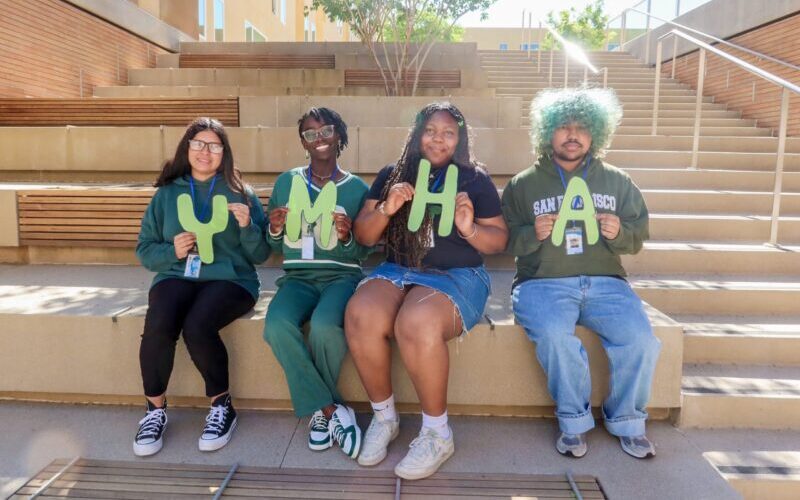
Reaching more students — online and across California
This was the YMHA’s biggest summer yet. The program drew more than 2,600 applicants and welcomed over 1,500 students into 47 classrooms across 20 campuses in California. YMHA also launched its first virtual component designed to remove geographic barriers for students in rural and hard-to-reach areas — strengthening YMHA’s mission of equity and inclusion while building a scalable model for the future.
Over five weeks, students explored mental health disorders and treatments, research methodology, and career pathways in mental health and related fields. With guidance from mentors and guest speakers — including a presentation from HCAI on opportunities like California’s new Certified Wellness Coach program — students began to visualize their futures in mental health.
One student, Victor, shared, “[YMHA] has inspired me and showed me all of these opportunities that are available — and encouraged me to seek out the career I can have in mental health. I’m so grateful for this opportunity.”
The summer academy culminated in a statewide Capstone Celebration on July 24, with students across all 20 sites presenting 289 group capstone projects. The research projects covered a range of topics including the impact of social media, cultural stigma in mental health care, and the lack of mental health resources in underserved communities.
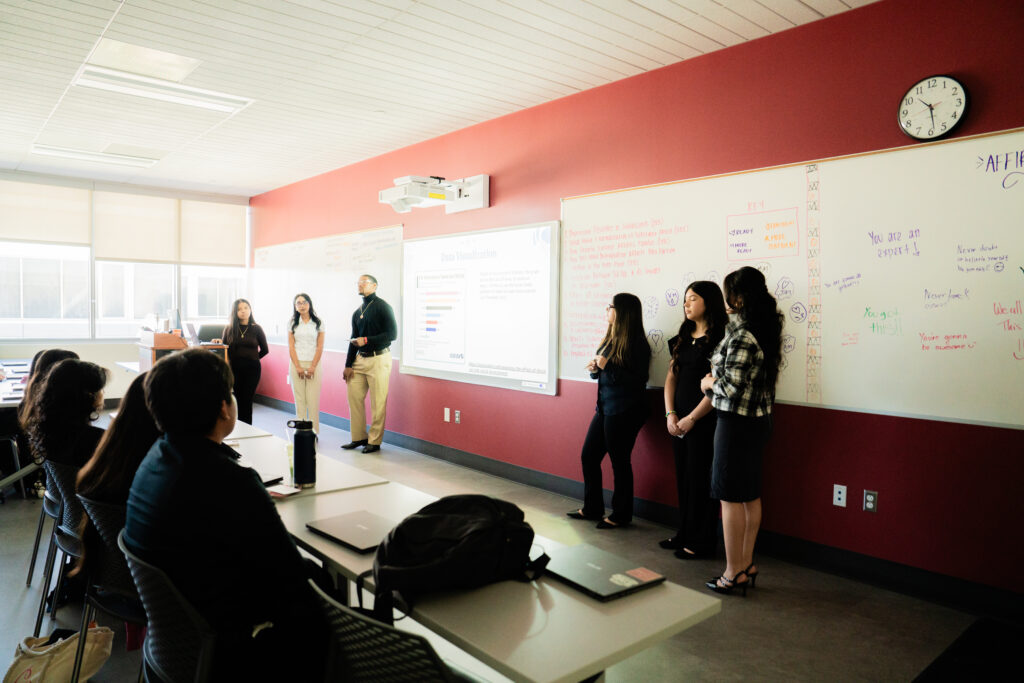
As part of the celebration, Michael Milham, MD, PhD, Chief Science Officer, joined California Health and Human Services Secretary Kim Johnson, Compton Mayor Emma Sharif, and members of the YMHA team to honor 100 students at Compton College. The celebration, covered by CBS News Los Angeles, featured live remarks from Secretary Johnson, a video message from California First Partner Jennifer Siebel Newsom, and a mayoral proclamation from the City of Compton.
Explore student capstone projects from this and past summers.
2024–2025 cohort completes their YMHA journey
This summer, 640 students from our 2024 cohort participated in paid internships across nearly 100 mental health partner organizations.
Collectively, YMHA interns logged more than a thousand hours of service, gaining real work experience at community organizations like Didi Hirsch and Connected to Lead, critical support networks like the Crisis Text Line, and research institutions like CSUDH Perch Lab and the Child Mind Institute’s MATTER Lab.
These internships help students develop professional skills and offer them a sense of belonging in the mental health field. As one intern with the Crisis Text Line said, “Getting this experience as an 18-year-old about to go to college gives me more hope that being a mental health professional is really achievable.”
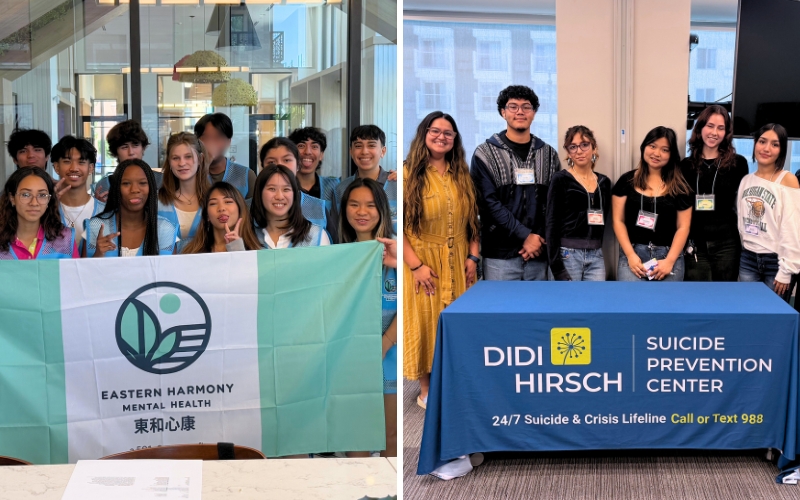
As they concluded their summer internships, the 2024 cohort also completed their 14-month journey with YMHA. Many will continue to pursue mental health-related degrees and careers, carrying the inspiration, skills, and connections they developed in the program.
As the Youth Mental Health Academy grows, we’re continuing to see how mentorship and hands-on experience can open new pathways for young people. Students leave with a clearer sense of purpose and the confidence to pursue meaningful careers in a field that urgently needs diverse voices and perspectives. With each new cohort, we believe we’re moving closer to a future where mental health care is accessible, equitable, and led by those who understand their communities best.