
Mental Health Fitness
Understanding Thoughts
We all can have thoughts that aren’t true — catastrophic predictions, harsh self-judgments, or worst-case scenarios. But sometimes these thoughts can feel like facts. Kids need to learn to recognize when a thought isn’t helpful, then question it instead of believing it automatically.
UNDERSTANDING THOUGHTS IN
Elementary School

What Kids Should Know About Understanding Thoughts
- Children can overthink or get stuck thinking unhelpful thoughts. This skill starts by helping them notice when it happens.
- Let kids know that they can take time to pause and remember that thoughts are not facts, and that we have the power to change them.
- Help kids practice identifying helpful and unhelpful thoughts and describing how their thoughts make them feel.
What This Skill Teaches
Having a thought does not mean that it’s important or true, even when it feels that way. Thoughts can be checked and changed.
Kids can learn to notice when they’re having an unhelpful thought, check the facts about the situation, and ask themselves if there is a more realistic or helpful thought to have instead.
Thoughts and feelings affect our behavior. Changing our thoughts can help us reduce uncomfortable emotions and navigate challenging situations better.
Download the Elementary Guide
Each guide includes a skill summary for caregivers and a printable activity sheet.
UNDERSTANDING THOUGHTS IN
Middle School
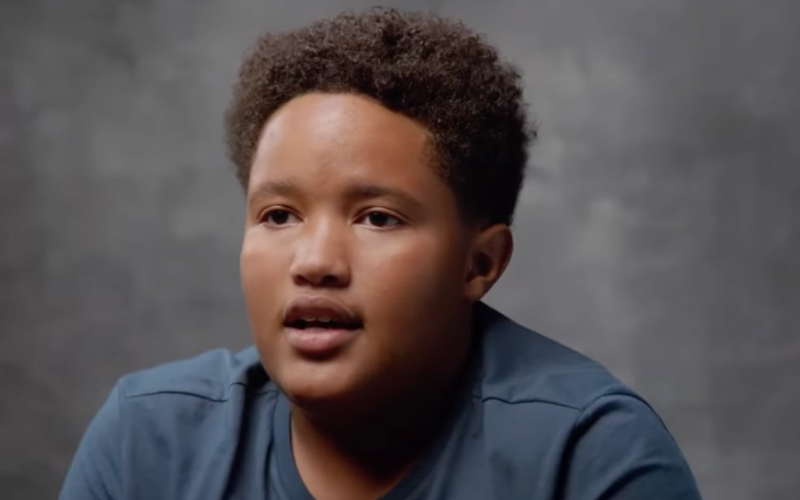
What Tweens Should Know About Understanding Thoughts
- Middle schoolers can be particularly vulnerable to unhelpful thinking — social comparison, catastrophizing, and harsh self-judgment are all common at this age.
- Kids might recognize that unhelpful thoughts can cause stress or anxiety. Help them understand thoughts are not facts, and they can change them.
- Thoughts can be helpful or unhelpful, and kids can practice changing unhelpful thoughts into more helpful or realistic ones.
What This Skill Teaches
Middle schoolers can catastrophize or engage in all-or-nothing thinking (“If I don’t get an A+, I’m a failure.”). But just because a thought feels true doesn’t mean it is.
Understanding thoughts means learning to recognize unhelpful thoughts and change them. Kids can ask themselves, “Is this thought helpful or unhelpful? Is there a more helpful or realistic thought I can have instead?”
Changing our thoughts can help us decrease uncomfortable emotions and manage difficult situations better.
Download the Middle School Guide
Each guide includes a skill summary for caregivers and a printable activity sheet.
UNDERSTANDING THOUGHTS IN
High School

What Teens Should Know About Understanding Thoughts
- Teens experience a lot of social and academic pressure. Unhelpful thinking patterns can be persistent and feel especially convincing at this age.
- Unhelpful thoughts can cause stress and anxiety, but thoughts are not facts and they can be changed.
- It helps to give teens different ways to reframe unhelpful thoughts — “Is this realistic?” “Is this fair to me?” “Is there another way I can think about this?”
What This Skill Teaches
Unhelpful thinking patterns — catastrophizing, black-and-white thinking, mind-reading — are common and particularly intense in adolescence. Knowing how to recognize unhelpful thoughts is the first step to countering them.
Once teens recognize they are having an unhelpful thought, they can ask themselves questions to reframe or change it: “What is the likelihood this will happen?” “Is there evidence for this being true?”
Changing an unhelpful thought into a more helpful or realistic one can affect how you feel and what you do.
Download the High School Guide
Each guide includes a skill summary for caregivers and a printable activity sheet.