Mental Health Fitness
Relaxation Skills
When kids get anxious or overwhelmed, their bodies often respond before their minds do. Their heart rate may increase, muscles might tighten, or breathing might get shallow. Relaxation skills, like paced belly breathing, can help kids regulate their emotions so they can think clearly, communicate calmly, and make better choices.
RELAXATION SKILLS IN
Elementary School
What Kids Should Know About Relaxation Skills
- Children respond well to playful breathing exercises — not to a lecture about stress.
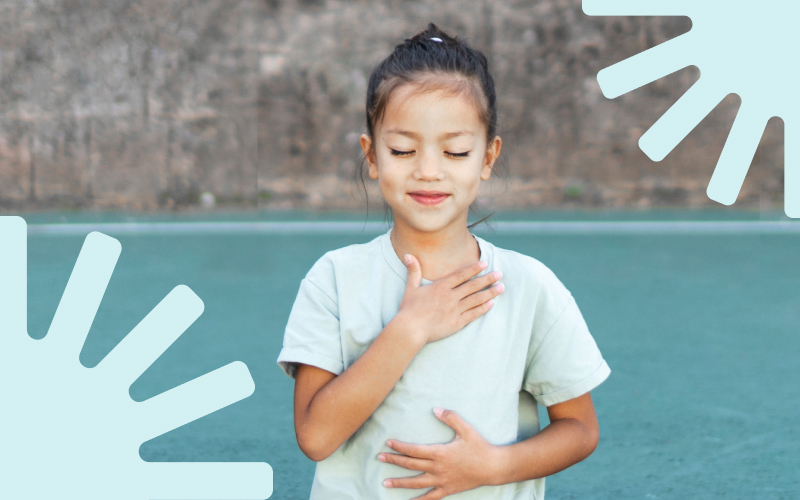
- Techniques such as paced belly breathing offer visual cues kids can remember — like imagining a balloon inflating to help kids breathe deep from their belly.
- Kids can also use relaxation skills after an exciting activity like recess. These skills can help ground them, calming them down to transition to another activity.
What This Skill Teaches
Stress and anxiety can trigger a child’s fight, flight, or freeze response — a physical reaction that makes it hard for them to think clearly.
Paced belly breathing disrupts this response because it rebalances oxygen and carbon dioxide in the body, sending a signal to the mind to calm down.
It’s best to introduce and practice relaxation skills when kids are already calm. That way they know what to do when they start to feel stress in their bodies.
Download the Elementary Guide
Each guide includes a skill summary for caregivers and a printable activity sheet.
RELAXATION SKILLS IN
Middle School
What Tweens Should Know About Relaxation Skills
- The middle school years can be stressful for kids socially and academically — introduce relaxation skills as a tool to help them manage overwhelming feelings.
- Middle schoolers might be skeptical of breathing exercises but paced belly breathing is different from regular breathing because it calms the nervous system.
- It’s best to practice breathing exercises when kids are calm, so they know what to do in high-pressure moments.
What This Skill Teaches
Middle schoolers may experience the fight, flight, or freeze response in high-stakes social and academic situations, not just when they’re in danger.
Paced belly breathing balances out the carbon dioxide and oxygen in kids’ bodies, cutting off their fight, flight, or freeze response.
Providing more information about why paced belly breathing helps may increase kids’ willingness to try it.
Download the Middle School Guide
Each guide includes a skill summary for caregivers and a printable activity sheet.
RELAXATION SKILLS IN
High School
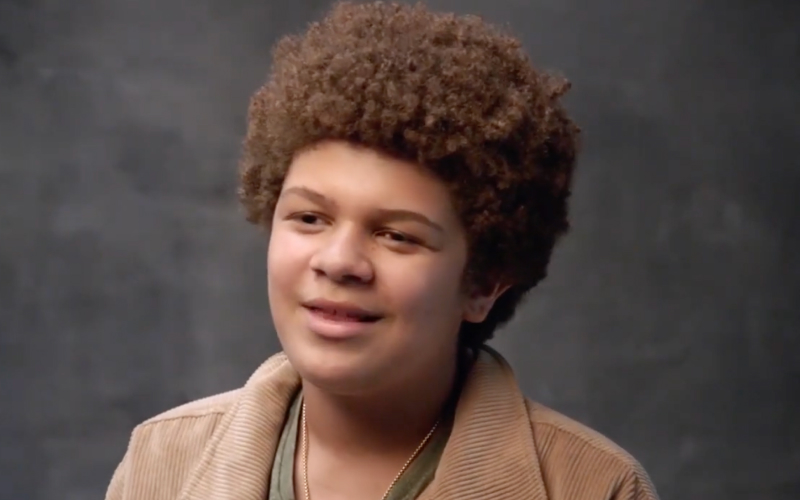
What Teens Should Know About Relaxation Skills
- Teenagers know when they’re stressed — what they often lack is a fast, reliable tool to calm themselves down.
- Techniques like paced belly breathing work because they calm the nervous system.
- Framing relaxation skills as effective strategies for reducing feelings of stress in the body may make teens more willing to try them.
What This Skill Teaches
The fight, flight, or freeze response is automatic — we can’t control it, but we can mitigate or cut it off when we start to feel it.
Paced belly breathing rebalances oxygen and carbon dioxide in the bloodstream, calming the nervous system and counteracting the fight, flight, or freeze response.
The goal isn’t to eliminate stress entirely — it’s to have a reliable tool that reduces its intensity so teens can think and act more deliberately.
Download the High School Guide
Each guide includes a skill summary for caregivers and a printable activity sheet.
Explore More Skills
How to recognize and name emotions
How thoughts, feelings, and behavior are related
Skills for coping with uncomfortable feelings
How to pay attention to the moment to improve self-awareness