Blog
A Recap of the Inaugural Youth Mental Health Hub at SXSW London
In early June, SXSW London returned for its second year, gathering thousands of creatives, enthusiasts, entrepreneurs, and investors into the city to celebrate film, music, tech, and culture. As part of this year’s festival, the Child Mind Institute, in partnership with Wellcome, proudly presented the inaugural Youth Mental Health Hub – a week of programming dedicated to advancing solutions to one of the defining challenges of our time: the global youth mental health crisis. Through six thought-provoking sessions, leaders in clinical care, science, technology, policy, and media came together to explore how to strengthen prevention, improve early identification, reduce stigma, and build systems that meet young people where they are.
Here’s a look back at the inspiring conversations that took place throughout the week.
Beyond the Average: Understanding Vulnerability in the Digital Childhood Era
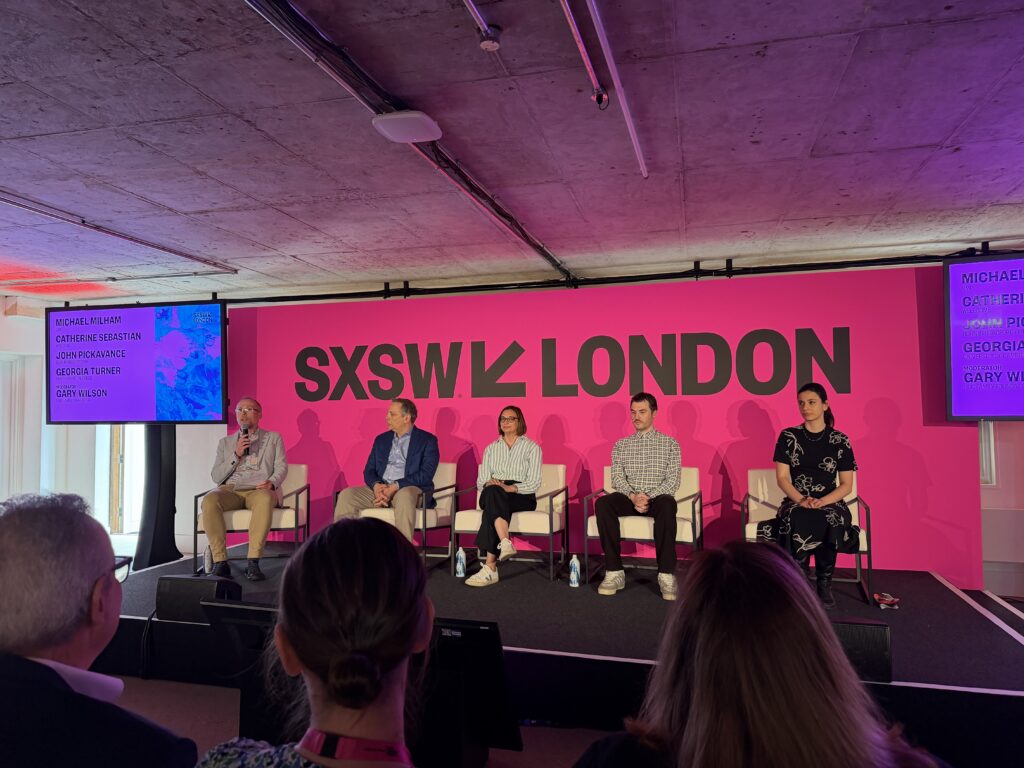
As artificial intelligence rapidly transforms the experience of childhood, experts explored how AI can both support and challenge young people’s mental health. The panelists discussed when and under what conditions young people may be most vulnerable as well as what systems we need to support them.
Moderator
Gary Wilson, Director of Research, Huo Family Foundation
Speakers
Catherine Sebastian, PhD, Head of Evidence for Mental Health, Wellcome
John Pickavance, PhD, Principal Data Scientist, Born in Bradford
Georgia Turner, Postdoctoral Research Associate, University of Cambridge
Michael Milham, MD, PhD, Chief Science Officer, Child Mind Institute
AI Is Already Shaping Childhood. Who Is Shaping AI? Balancing Innovation, Evidence, and Safety in Youth Mental Health
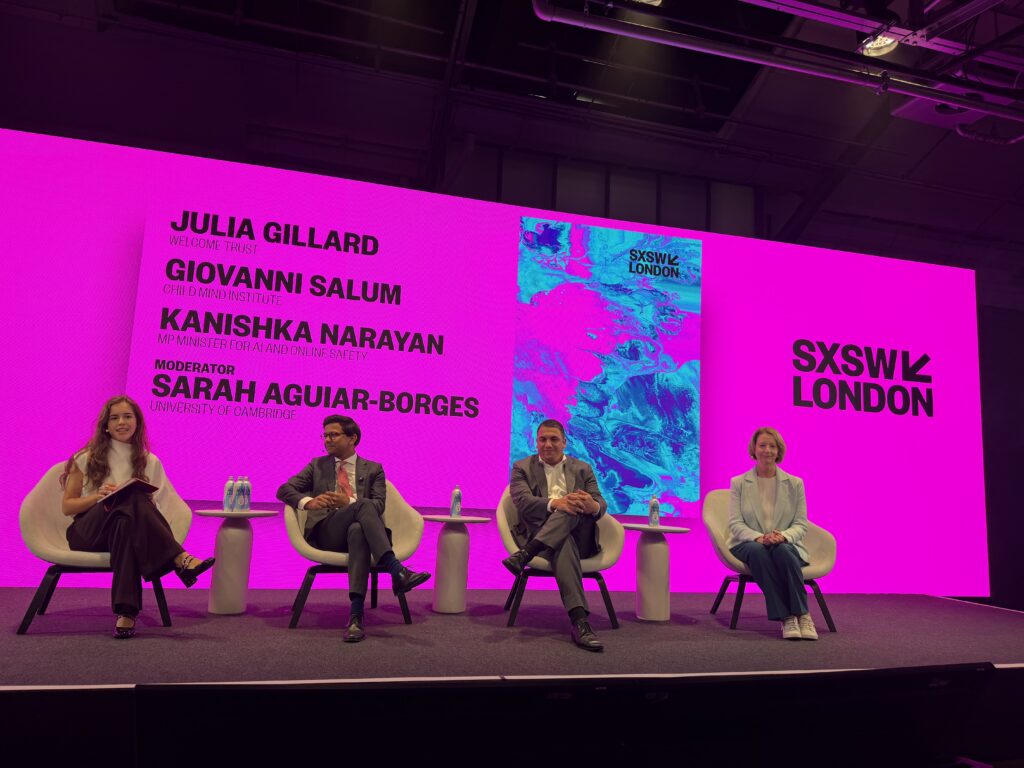
Youth are experiencing the impacts of AI earlier and more intensely than any previous generation has. This session explored the role of public leadership in anticipating harm before it becomes systemic — establishing guardrails, fostering digital resilience, and ensuring that innovation advances hand in hand with youth mental health and well-being.
Moderator
Sarah Aguiar-Borges, PhD, University of Cambridge
Speakers
Julia Gillard, former Prime Minister of Australia; Chair, Wellcome
Kanishka Narayan, UK Minister for AI and Online Safety
Giovanni Salum, MD, PhD, SVP, Global Programs, Child Mind Institute.
Youth Mental Health After Conflict: Healing, Resilience, and Rebuilding Systems
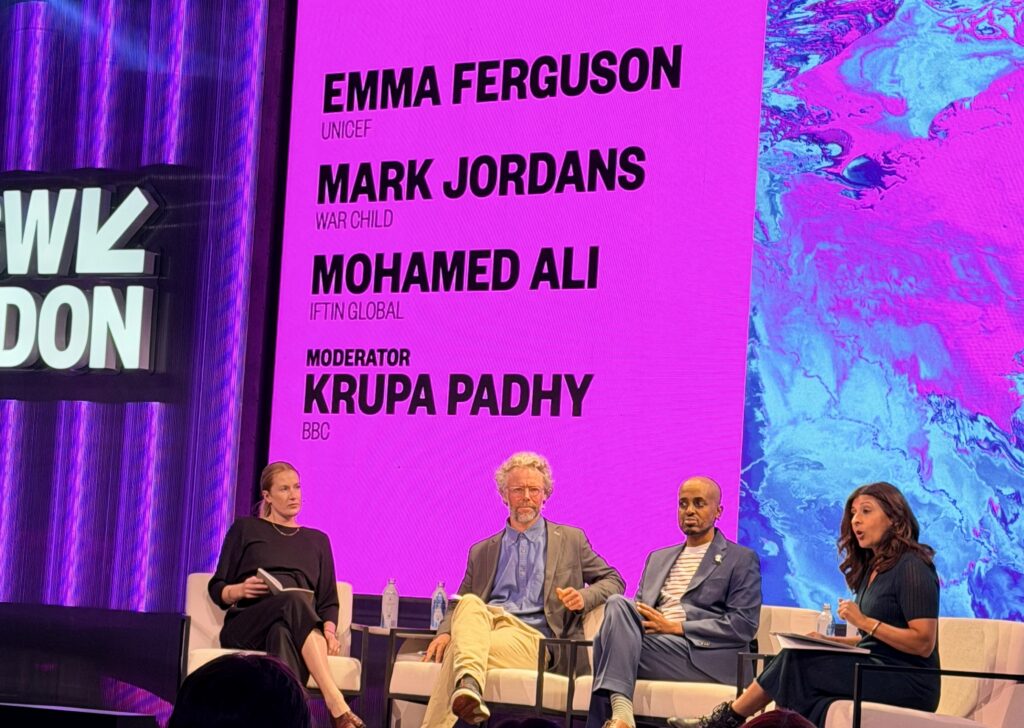
Experts shared insights on the unique mental health challenges facing children affected by war, displacement, and humanitarian crises. This session explored how societies can implement youth-centered systems grounded in prevention and use early identification to position youth mental health as a cornerstone of long-term recovery and resilience.
Moderator
Krupa Padhy, BBC Radio 4
Speakers
Dr. Mark Jordans, professor, Centre for Global Mental Health, King’s College London; Director of Research & Development, War Child
Emma Ferguson, mental health policy and advocacy specialist, UNICEF
Mohamed Ali, Director, Iftin Global
Dyslexia: Changing the Story
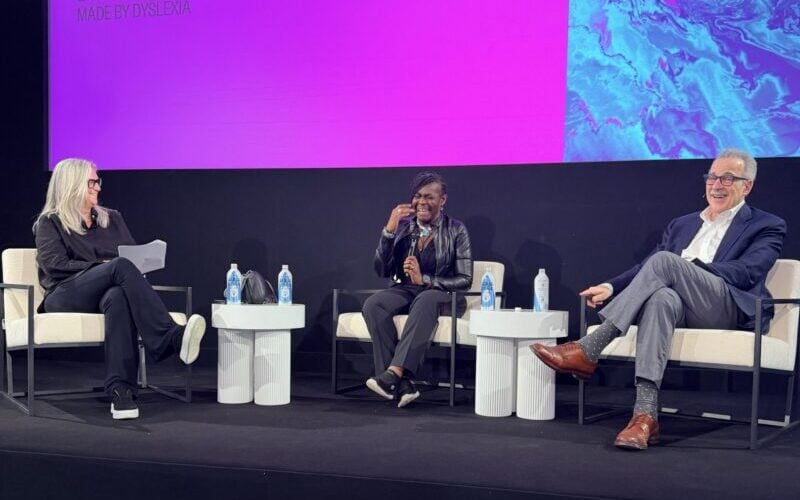
In a timely discussion, experts explored how dyslexia is currently understood in society, challenging current language and misperceptions that can impact a child’s confidence and mental health. Through a blend of personal experience and clinical expertise, the conversation focused on the need for evidence-based support and strengths-based approaches to help children and their families thrive.
Moderator
Kate Griggs, Founder, Made By Dyslexia
Speakers
Maggie Aderin, PhD, space scientist & educator; dyslexia advocate
Harold S. Koplewicz, MD, President and Medical Director, Child Mind Institute
Connection Continuum: Preventing Suicide and Combating Loneliness
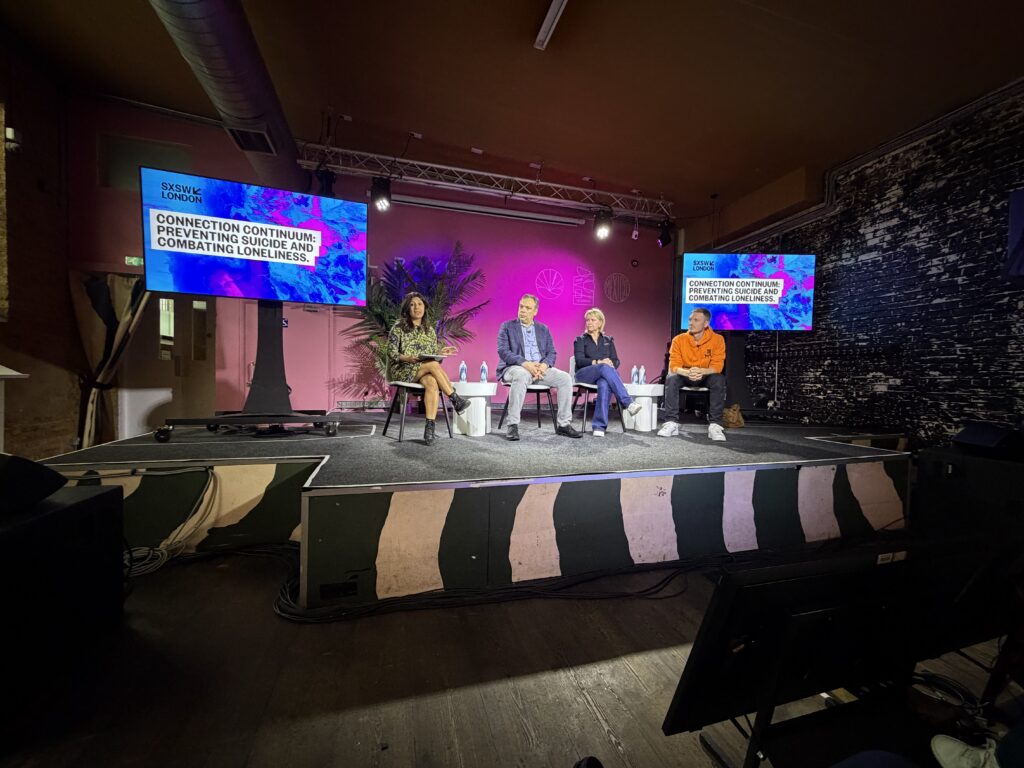
Suicide is one of the leading causes of death among young people globally. This session gathered community, clinical, and digital leaders to explore what a more connected system of support looks like in practice. The panelists also discussed the important of recognizing warning signs, expanding access to evidence-based care, and prioritizing early intervention to help prevent youth suicide.
Moderator
Krupa Padhy, BBC Radio 4
Speakers
Victoria Hornby, CEO, Mental Health Innovations
Dean Perryman, Empty Chairs
Michael Milham, MD, PhD, Chief Science Officer, Child Mind Institute
Does Mental Health Science Funding Need a New Paradigm in the Age of AI?
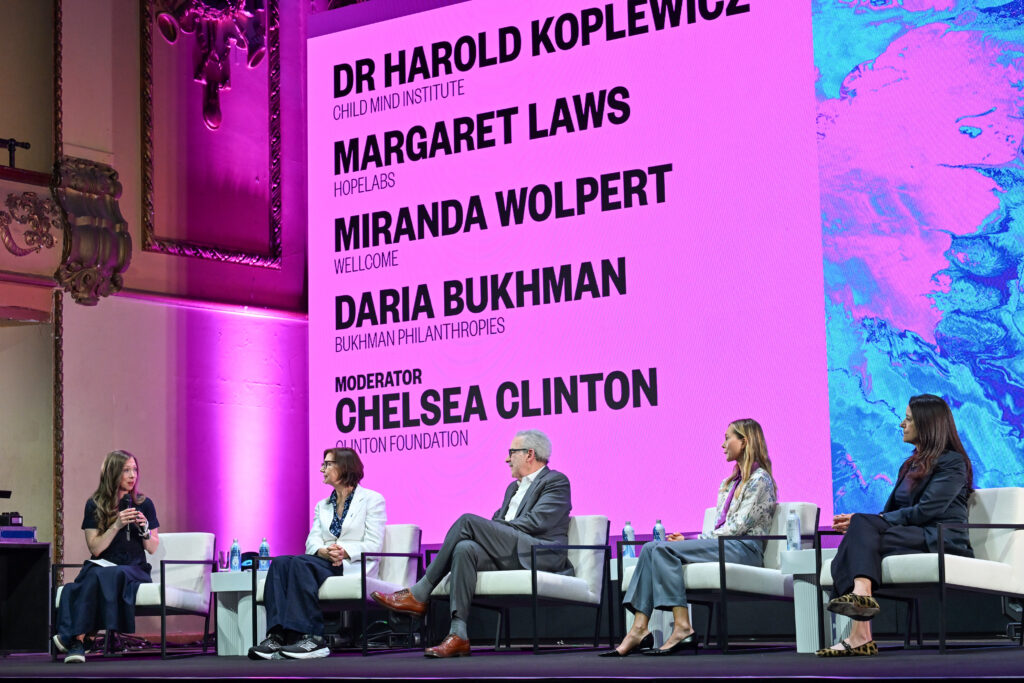
With technology evolving faster than the science designed to understand it, experts examined how research, philanthropy, and clinical leaders can work together to build the evidence, safeguards, and infrastructure needed to protect children’s mental health in the digital age.
Moderator
Chelsea Clinton, Vice Chair, Clinton Global Initiative
Speakers
Miranda Wolpert, Director of Mental Health, Wellcome
Margaret Laws, President & CEO, HopeLab
Daria Bukhman, Co-Founder and Chair, Bukhman Philanthropies
Harold S. Koplewicz, MD, President & Medical Director, Child Mind Institute