The Best Kids' Books About Mental Health of 2025
Child Mind Institute experts read and rated 60+ books to bring you this list of gems
en EspañolWhether your child has been diagnosed with anxiety or ADHD, struggles with regulating emotions, or has lost a loved one, books can be a valuable way to help them navigate the world. Stories that address mental health topics are growing more popular, but it’s hard to know which ones are accurate or useful. For our second-annual list of Best Kids’ Books for Mental Health, the Child Mind Institute has narrowed down 150 candidates (all published in 2025) to about 60 semi-finalists. All have been read and reviewed by our clinical experts and editorial staff. Nearly two dozen winners have been selected, with options for every age, from toddler to teen. Share them with your kids (and buy them for classroom libraries) because every child deserves to read a story that they can see themselves in.
ADHD
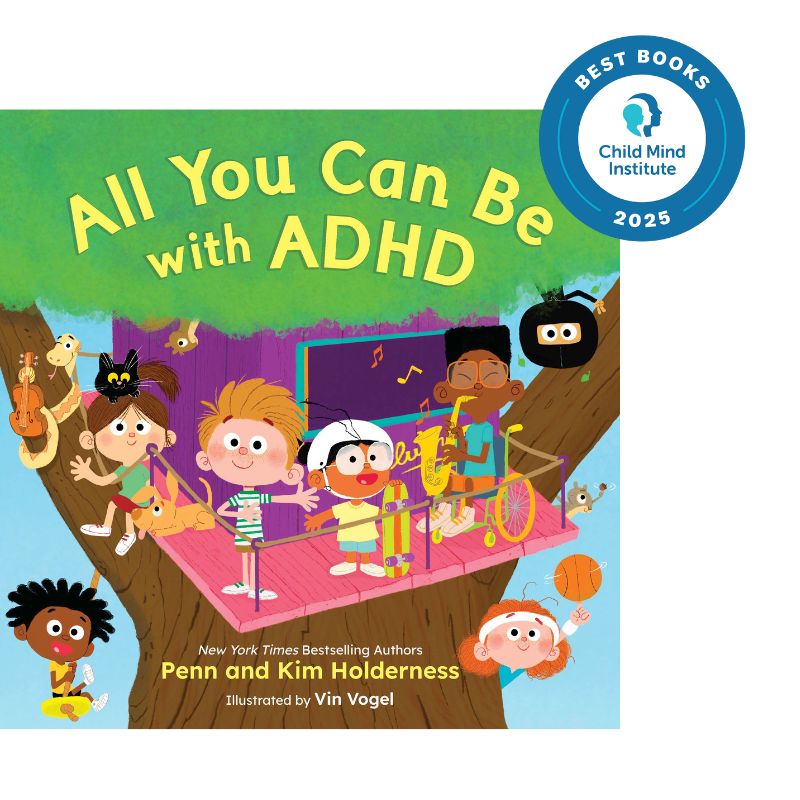
All You Can Be With ADHD
Written by Penn and Kim Holderness, illustrated by Vin Vogel
A YouTube couple known for their song parodies poured their talents into this rhyming picture book. Drawing inspiration from their own family (both Penn and the couple’s son have ADHD), the bouncy story invites kids to an exciting ADHD club, made up of individuals from all walks of life. (“If your brain is like ours, you’re in the right tree — you’re part of the same club, you and me and everyone with ADHD.”) The art is packed with celebrity likenesses (ie., Albert Einstein, Olympic gymnast Simone Biles) and “the illustrations are neurodivergent friendly, affirming, and informative for children and parents,” says an expert from the Child Mind Institute. Ages 7-11. Published by Little, Brown and Company.
Buy at Bookshop.org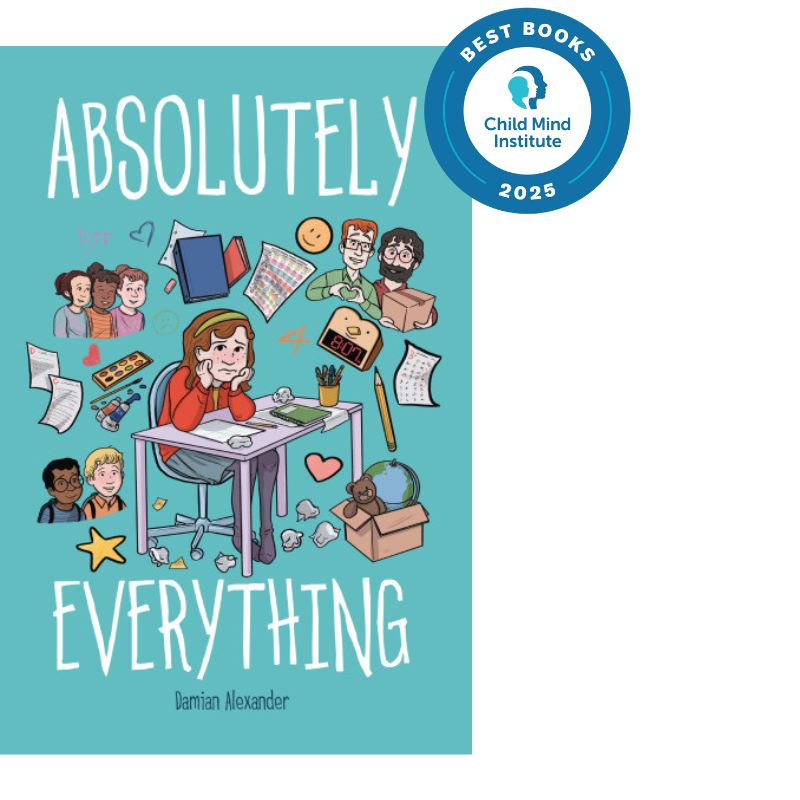
Absolutely Everything
Written and illustrated by Damian Alexander
This powerful graphic novel stars an endearing sixth grader who has trouble staying focused on schoolwork and maintaining friendships. Then she’s diagnosed with ADHD. Armed with this knowledge and her family’s support, she’s able to turn the school year around while finding clarity and peace through her ability to paint. The book’s creator, who also has ADHD, wanted to depict the protagonist getting “the assistance she needed, so she could thrive in a way I wasn’t able to when I was her age.” As such, “it’s a great graphic novel for middle-schoolers with a recent diagnosis,” says an expert from the Child Mind Institute. “The illustrations are fantastic but not overly complex or overstimulating. It resolves by identifying ways to manage symptoms and utilize personal strengths.” Ages 9-14. Published by Graphic Universe.
Buy at Bookshop.org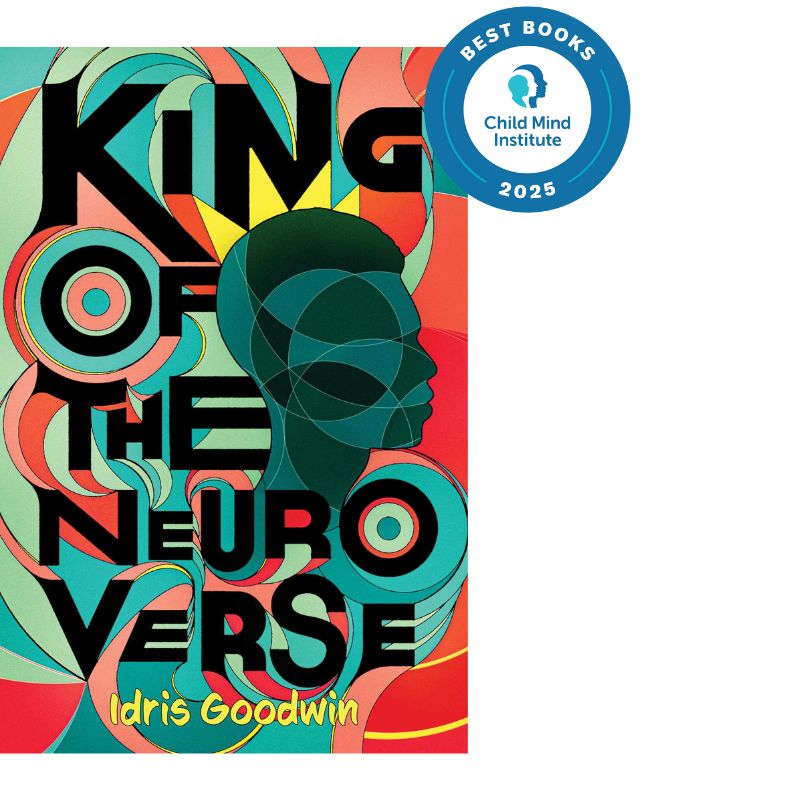
King of the Neuro Verse
Written by Idris Goodwin
This insightful novel, written in verse by a neurodivergent author, features an amateur teen rapper faced with yet another year at summer school due to his lack of attention. When he is diagnosed with ADHD, he refers to it as an “invisible black curtain that falls across my eyes.” The story realistically shows his frustrations in school and the lack of quick solutions, even after the diagnosis. But it also points out how his condition may actually give him an advantage when it comes to his musical talent. “It touches on the challenges and strengths of having ADHD from both the adolescent and parents’ perspectives,” says an expert from the Child Mind Institute. “The writing style sets it apart from other chapter books, making it especially fun to read!” Ages 12 and up. Published by Atheneum.
Buy at Bookshop.orgAnxiety
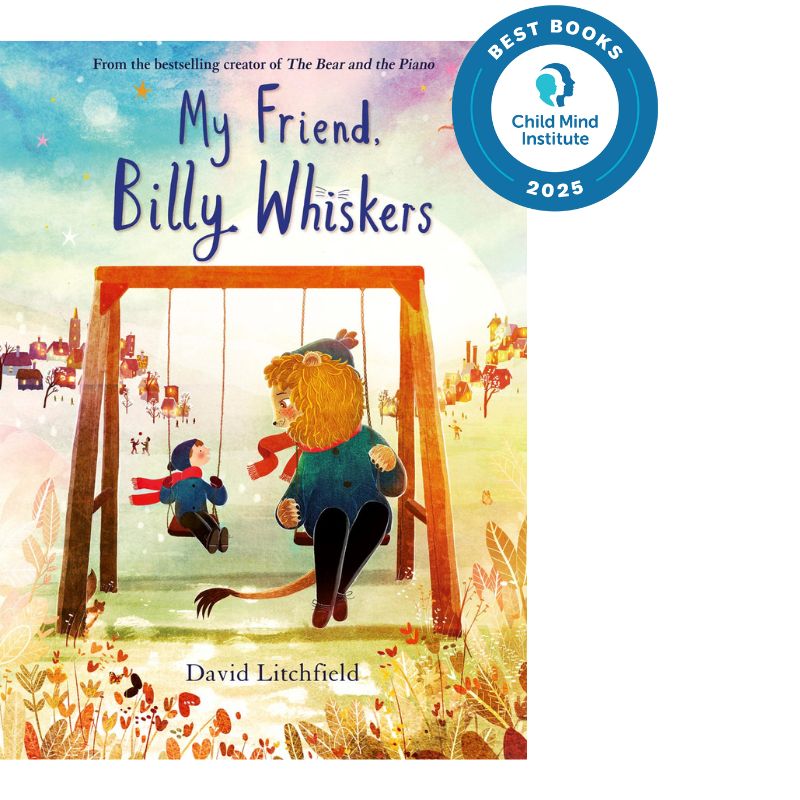
My Friend, Billy Whiskers
Written and illustrated by David Litchfield
In an emotional roller coaster of a story, a boy transitions from needing an imaginary friend to having plenty of real-life pals. Wistful illustrations add poignancy, as the boy ages into his independence. And there’s a surprise at the end! According to one of our experts, the tale “strikes a nice balance between comfort and personal growth. There are a lot of children with social skill deficits and social anxiety, and this book can be really helpful for those children.” Ages 4-7. Published by Frances Lincoln Children’s Books.
Buy at Bookshop.org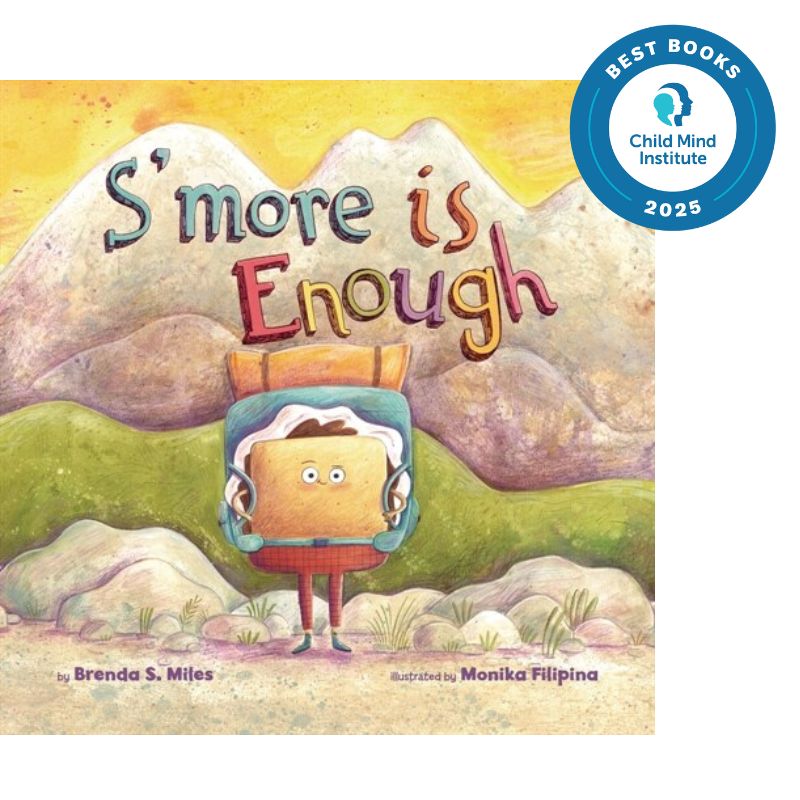
S’more Is Enough
Written by Brenda S. Miles, illustrated by Monika Filipina
Written by a pediatric neuropsychologist, this picture book looks at the world through the eyes of a s’more with the punny name of Graham. Not satisfied with being a gooey campfire treat, Graham worries that he’s not as special as the other desserts. (“He tried being more like a doughnut, but the hole made him feel empty. He tried being more like a lollipop, but the swirls made him feel dizzy.”) But (spoiler!) he eventually realizes that the messages “you are enough” and “dare to be more” aren’t contradictory, and he can be enough and more at the same time. “It’s a very cute and engaging book on perfectionism. It’s about feeling like you need to be more and do more, only to find out you’re more than enough — as long as you allow a little room for growth, of course,” says an expert from the Child Mind Institute. Ages 5-9. Published by Magination Press.
Buy at Bookshop.org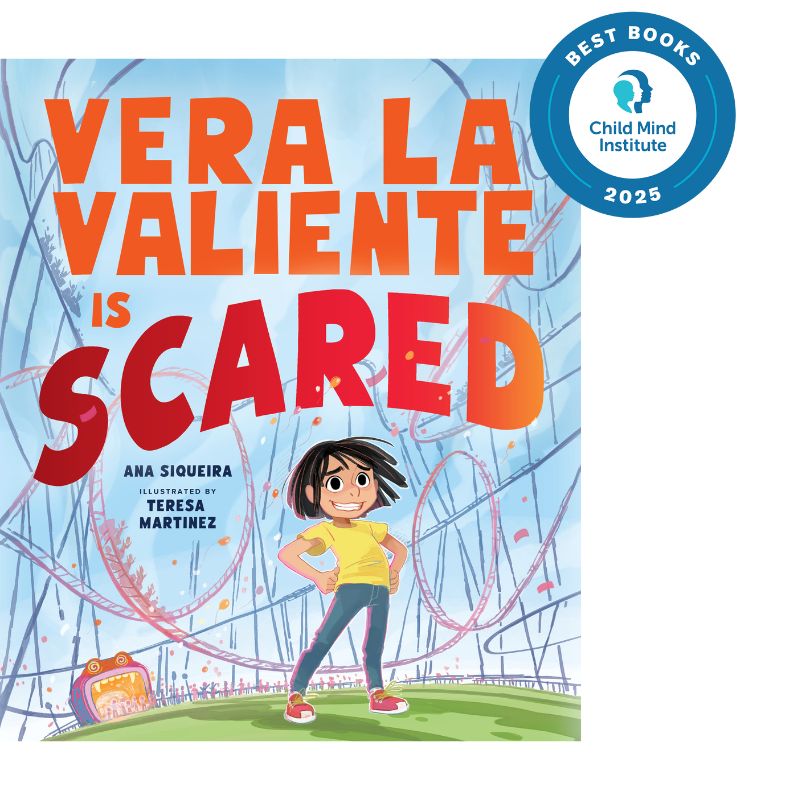
Vera La Valiente Is Scared
Written by Ana Siqueira, illustrated by Teresa Martinez
This amusing story explores the ups and downs faced by a girl anxious about her school field trip to an amusement park. Normally fearless, she must come to grips with being the only one afraid to go on a roller coaster — a ride all her classmates seem excited to try. Illustrations depict her train of thought in a blur of motion. Meanwhile, the narration mixes in a little Spanish, making it a “great story woven with cultural context. The book shows gradual exposure therapy played out and how being vulnerable about your fears is also brave,” says a Child Mind Institute expert. Ages 4-8. Published by Beaming Books.
Buy at Bookshop.org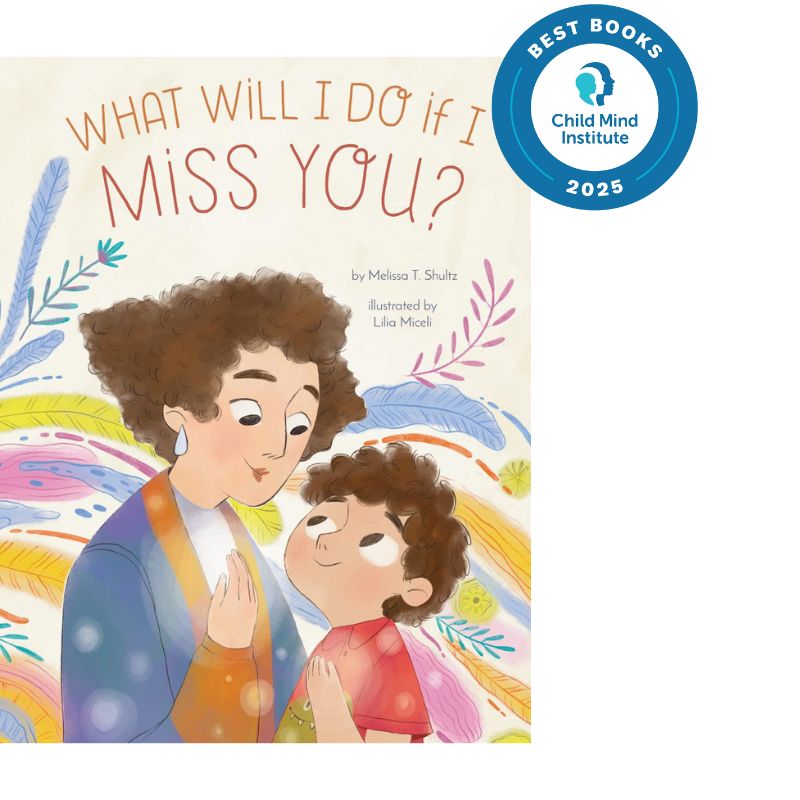
What Will I Do If I Miss You?
Written by Melissa T. Shultz, illustrated by Lilia Miceli
A mom presents a clever way to help her worried son get through his first week of school. She tells the boy to touch his heart any time he’s anxious, and that the beat is her presence. As the days go by, he gains friends and has fun. Although he reserves the right to go back to that coping mechanism, he reasons that he’ll now probably need both hands to play with his pals! The illustrations, which occasionally change style to show what’s happening in Alex’s imagination, help make this a “sweet book for a younger child worried about starting preschool,” says a Child Mind Institute expert. “It models a positive way to manage separation anxiety.” Ages 3-5. Published by Familius LLC.
Buy at Bookshop.org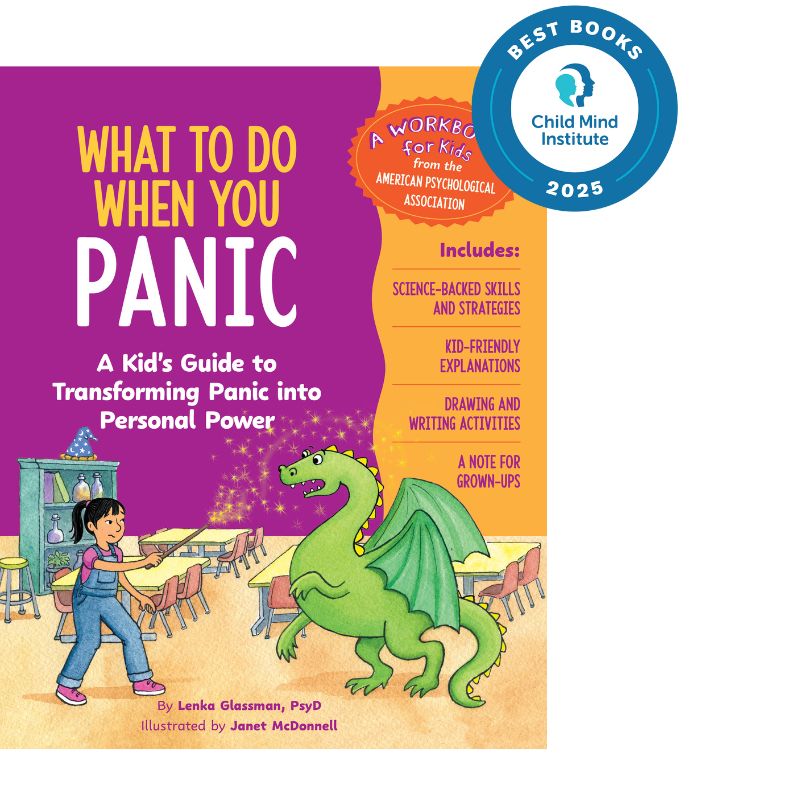
What to Do When You Panic
Written by Lenka Glassman, illustrated by Janet McDonnel
Part of the What-to-Do Guide series for kids from the American Psychological Association, this workbook contains exercises and cognitive behavioral techniques to help prevent panic attacks or stop them in their tracks. “It’s a great treatment book to help with panic disorder and other physical symptoms of anxiety,” says a Child Mind Institute expert. “I’d recommend that a caregiver or therapist help a child with the concepts and exercises in this book.” Ages 8-12. Published by Magination Press.
Buy at Bookshop.org
I’ll Pretend You’re Mine
Written by Tashie Bhuiyan
For a female pop singer with anxiety, it’s not easy being in the spotlight. After turning 18, she wants to break away from her emotionally abusive parents but finds additional worries in expressing her sexual identity. Even among friends, she thinks, “there’s something that feels distinctly off — something in my brain that buzzes insistently: you don’t belong here.” Finding unexpected love with an actor, who struggles with accepting his cultural heritage and reforming his bad reputation, allows them both to cope with their mutual insecurities. “The book does a good job normalizing anxiety and depicting the struggle of conflicting identities in a supportive way,” says a Child Mind Institute expert. Ages 13-17. Published by HarperCollins
Buy at Bookshop.orgAutism
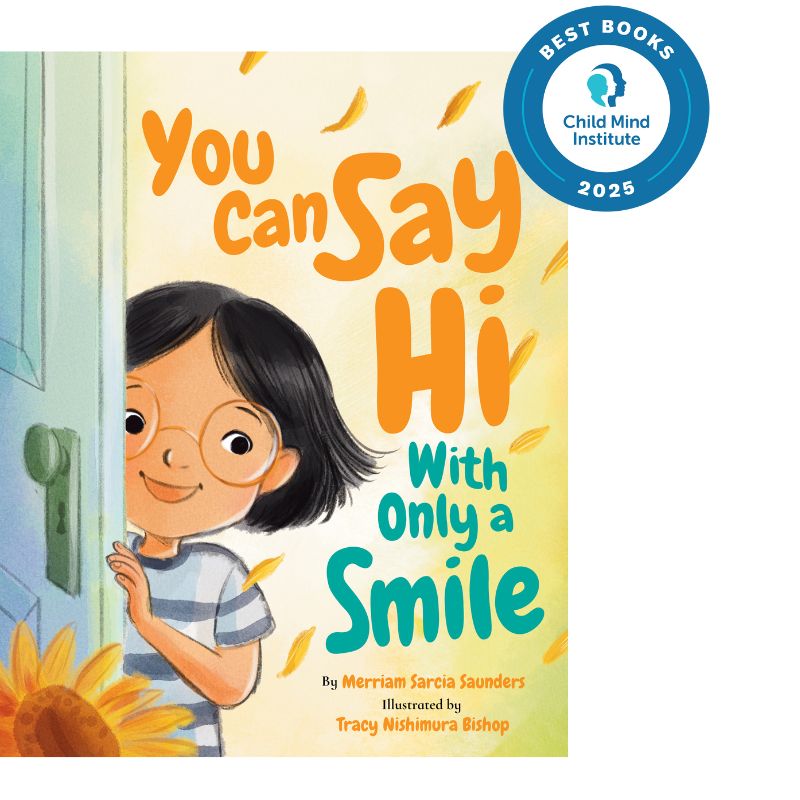
You Can Say Hi With Only a Smile
Written by Merriam Sarcia Saunders, illustrated by Tracy Nishimura Bishop
The author, a licensed family therapist, wants children to feel secure in the fact that there are many different ways to communicate. The cheery book follows a girl who encounters a host of alternative methods of saying hello, including handshakes, nods, waves, hugs, and writing on an electronic device, showing readers that all salutations are equally valid. (”We’re not all the same. And our greetings are not the same either.”) A Child Mind Institute expert calls the book “a sweet and gentle story that reminds children there are many ways to connect with others. It helps them understand that every person expresses friendliness in their own way.” Ages 4-8. Published by Magination Press.
Buy at Bookshop.orgBody Image
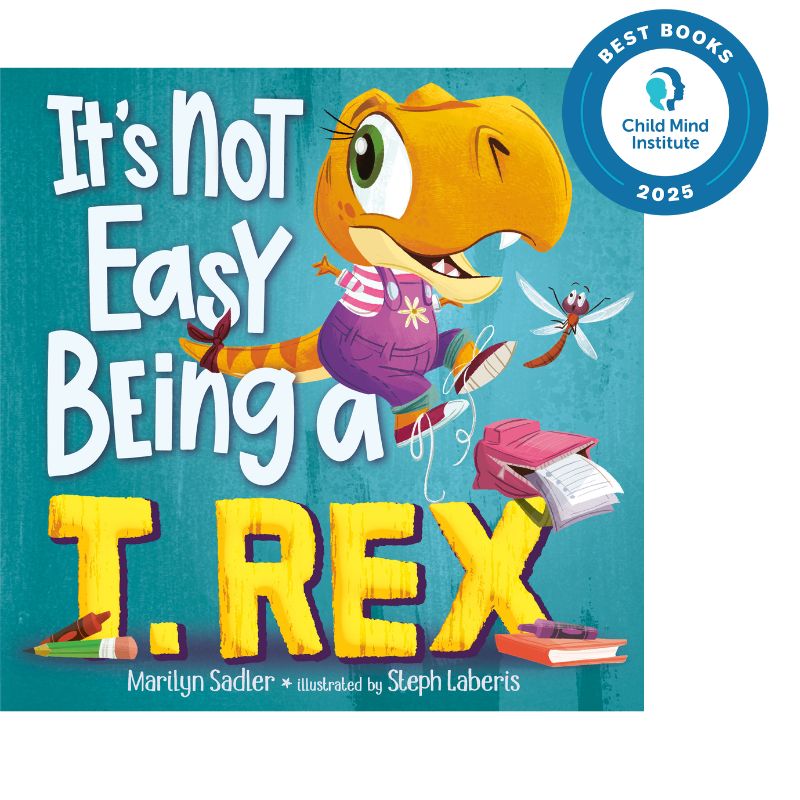
It’s Not Easy Being a T. Rex
Written by Marilyn Sadler, illustrated by Steph Laberis
A young T. Rex compares herself to her dinosaur classmates in this story that would make even a fossil smile. At playtime, she is embarrassed by her short arms and enormous size. However, her strong legs and teeth allow her to do things her fellow creatures can’t accomplish. “It’s sweet and clever, using differences among dinosaurs to illustrate body acceptance,” says a Child Mind Institute expert. “The ending provides affirmations and prompts children to focus on their strengths.” Ages 3-7. Published by Random House.
Buy at Bookshop.orgDepression
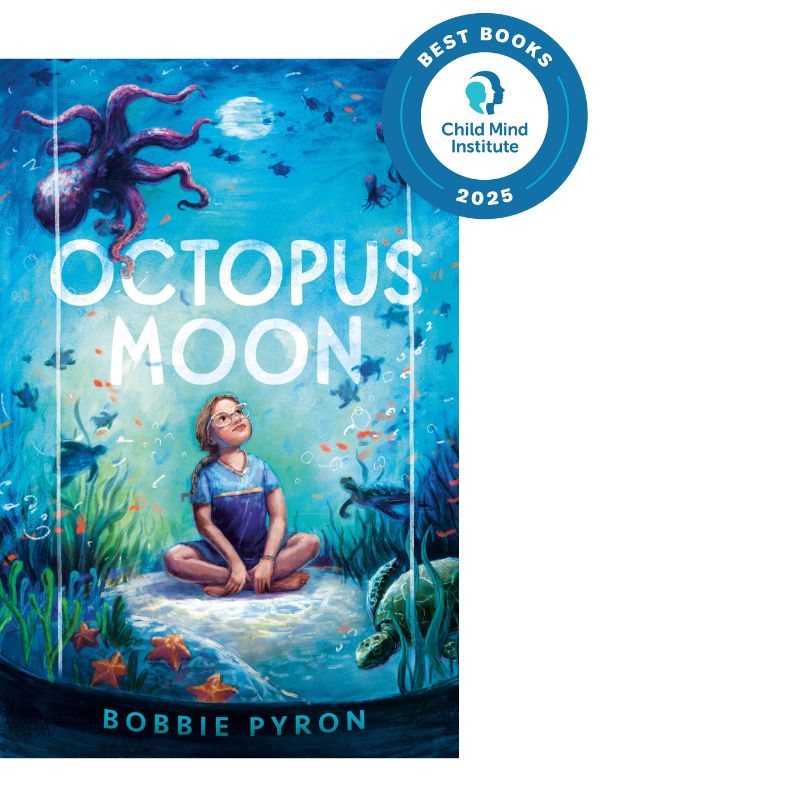
Octopus Moon
Written by Bobbie Pyron
This lyrical prose novel, written by an author bravely channeling her own struggles with depression, stars a 10-year-old aspiring marine biologist who is drowning in her feelings. The girl used to find happiness in skateboarding and going to the aquarium; now doing that seems impossible. Thankfully, she gets therapy and guidance to manage and recognize that “depression is like a vampire. It sucks out your joy instead of your blood.” At the end of the book, there is a note giving additional advice and a list of resources for readers who may also be suffering. “This book does a wonderful job portraying depression through a child’s eyes,” says a Child Mind Institute expert. “Therapy is presented in a helpful positive light. Interventions discussed include being kind to oneself and setting small achievable goals.” Ages 10-13. Published by Nancy Paulsen Books.
Buy at Bookshop.orgEmotions
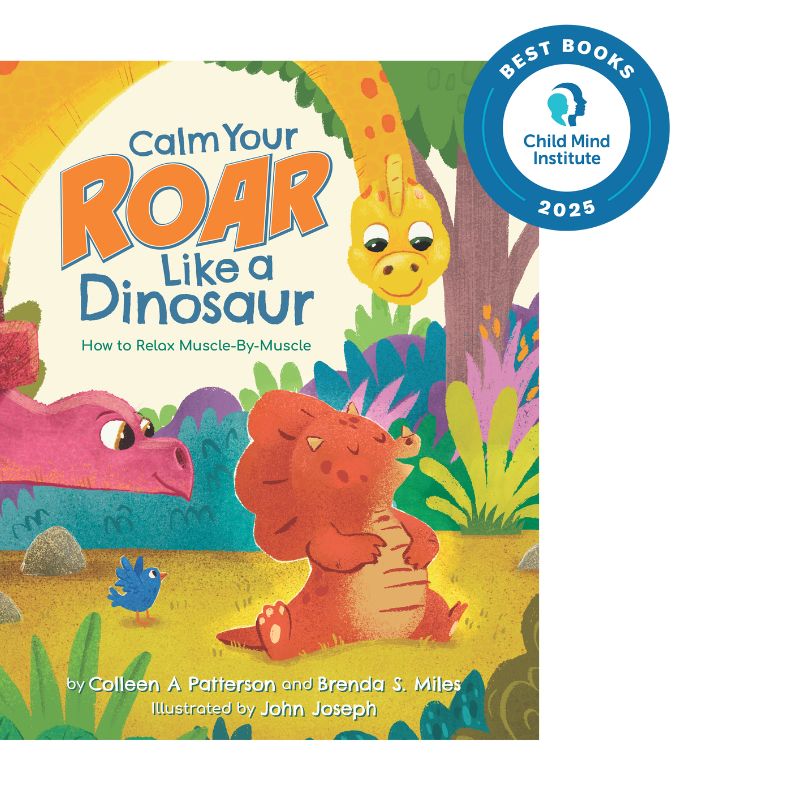
Calm Your Roar Like a Dinosaur
Written by Colleen A. Patterson and Brenda S. Miles, illustrated by John Joseph
Dino-loving kids will dig this colorful picture book in which the prehistoric creatures demonstrate helpful, calming breathing techniques. The rhyming story immediately engages little readers by asking “Feeling frustrated, frenzied, or full of roar? Calm yourself like a dinosaur!” A Child Mind Institute expert says, “This is a wonderful book to guide progressive muscle relaxation. I’d recommend it to be parent-guided. There are additional suggestions for parents in the back to help teach the technique to kids.” Ages 2-6. Published by Magination Press.
Buy at Bookshop.org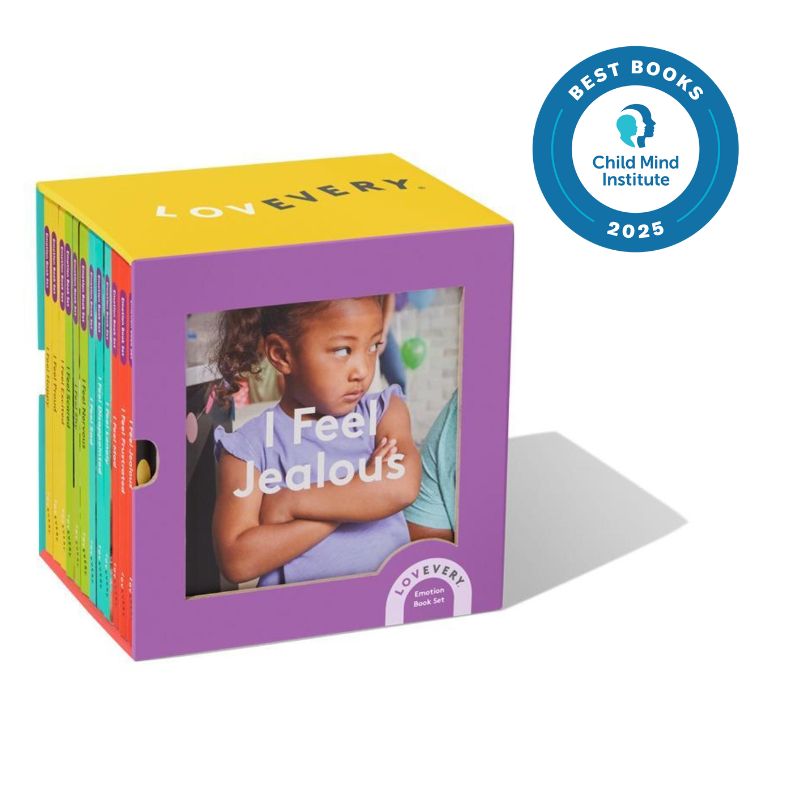
Emotion Book Set
Written by multiple authors
This 12-volume box set for toddlers and preschoolers contains four books that cover primary emotions (happy, sad, mad, and scared) plus eight additional titles for more complex feelings, like “I Feel Frustrated” and “I Feel Jealous.” Each book contains a relatable story and photos of children. For instance, in the “I Feel Disappointed” book, a girl goes on a bike ride with her grandfather and they discover that the ice cream shop they want to stop at is closed. “It’s a great collection of books to describe a range of emotions and offer a social story on how the emotions are felt and managed,” says a Child Mind Institute expert. Ages 2-8. Published by Loveevery.
Grief
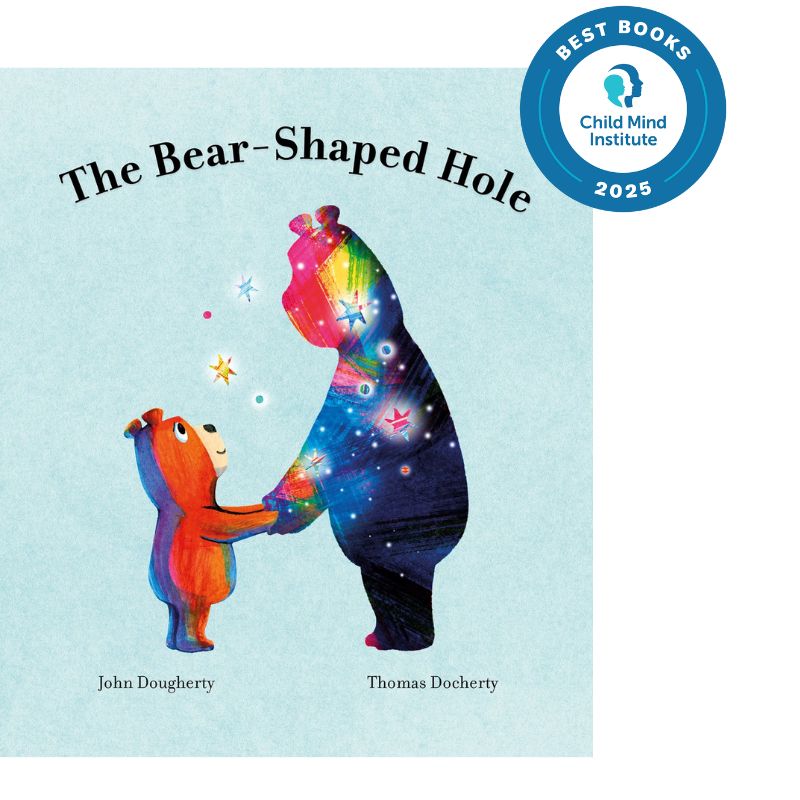
The Bear-Shaped Hole
Written by John Dougherty, illustrated by Thomas Docherty
The nurturing relationship between two bears — one elderly, one young — takes a painful turn in this rhyming tale. Of all the lessons the older animal passes on to the cub, the hardest is preparing her for his death. The art conveys the gentleness of their relationship and the chaos of the misery that spills out of the younger bear, as she wrestles with the news of his illness. Ultimately it comes down to acceptance and finding happiness in making new memories in the time they have left. “A lovely story showing how a strong bond can evolve” in the face of anticipatory grief, says a Child Mind Institute expert. “It effectively shows how difficult it is to hear awful news about loved ones, and how we cannot change that reality.” Ages 3-5. Published by Frances Lincoln Children’s Books.
Buy at Bookshop.org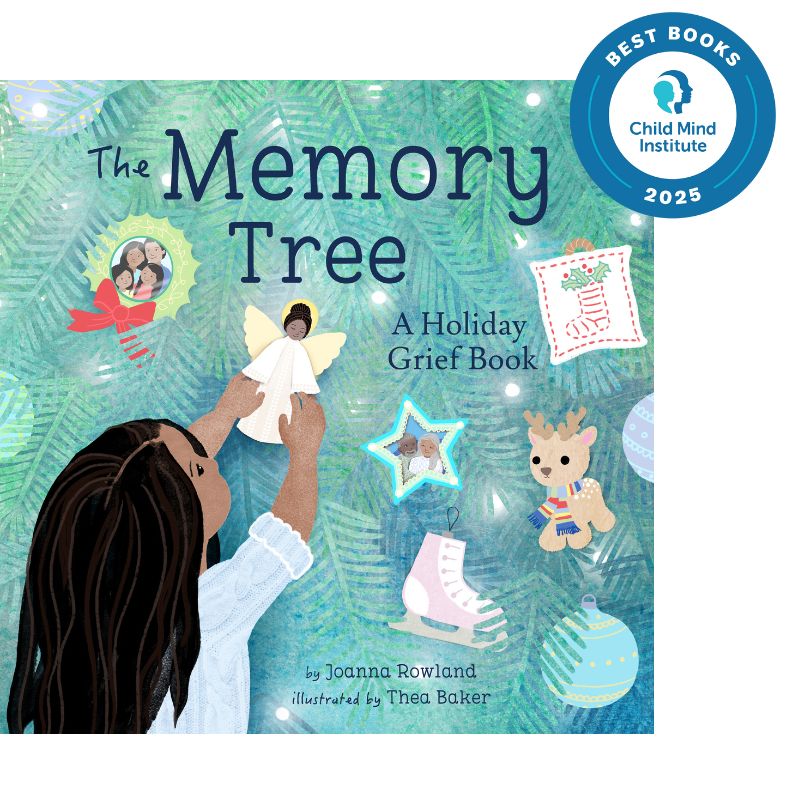
The Memory Tree
Written by Joanna Rowland, illustrated by Thea Baker
Inspired by the death of a young woman the author once coached, this heartwarming book follows a child who questions if the holiday season will ever be merry again after the loss of someone beloved. But decorating a memorial Christmas tree in their honor enables the person who died to be very present in the festivities. “This book does a great job addressing the difficulties that holidays can bring, but also how to embrace that time while experiencing loss,” says a Child Mind Institute expert. “It’s realistic and hopeful, providing different ways for people to move forward and could also be adapted to other cultures.” Ages 4-8. Published by Beaming Books.
Buy at Bookshop.org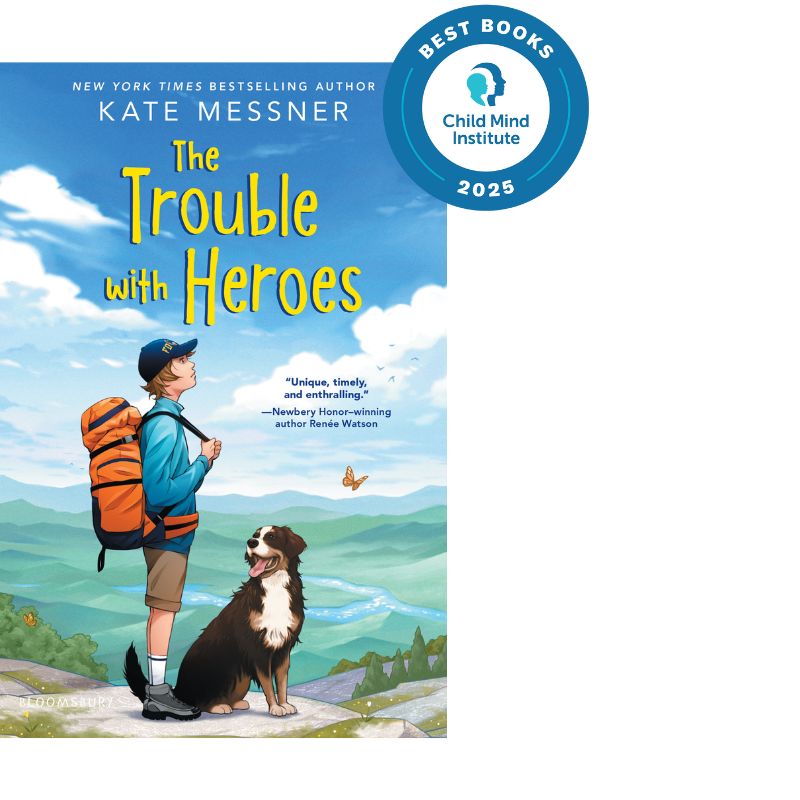
The Trouble With Heroes
Written by Kate Messner
Mourning the death of his father, a 13-year-old goes on an adventure that transforms him physically and emotionally. To avoid charges for damaging the gravestone of a beloved hiker, the boy agrees to climb 46 mountain peaks in a single summer. The author, who scaled the heights of the Adirondacks herself, tells the thrilling story of the protagonist’s healing in a range of different styles, including poems, texts, and articles. “The book is very helpful for middle school kids and beyond,” says a Child Mind Institute expert. “There is great character development, showing grief and trauma and how it may express itself in externalizing ways and behavioral problems. The relationships feel authentic and non-patronizing.” Ages 9-14. Published by Bloomsbury Children’s Books.
Buy at Bookshop.orgSchizophrenia
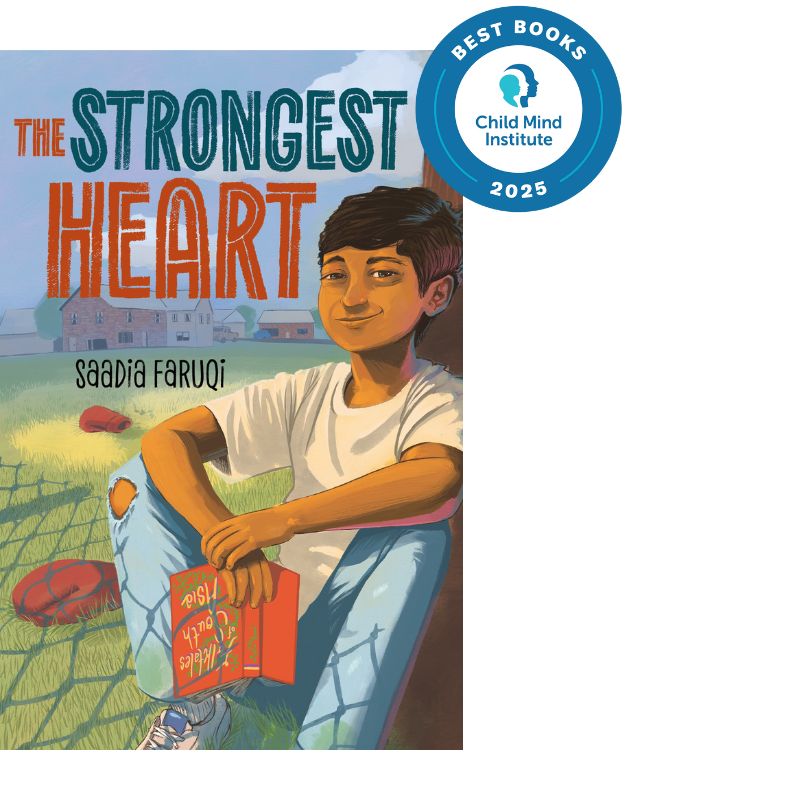
The Strongest Heart
Written by Saadia Faruqi
Told from the perspective of a 13-year-old boy who struggles with his father’s schizophrenia, this engrossing story tackles complex themes of shame and stigma surrounding mental illness in multicultural families. “It does a nice job of highlighting the importance of resilience, as well as supportive adults in a child’s life,” says a Child Mind Institute expert. “I loved that this book showcases the impact of mental illness on children and families, as well as healthy ways of intervening as an adult to ensure everyone is taken care of and feels safe.” Ages 8-12. Published by HarperCollins.
Buy at Bookshop.orgSensory Processing
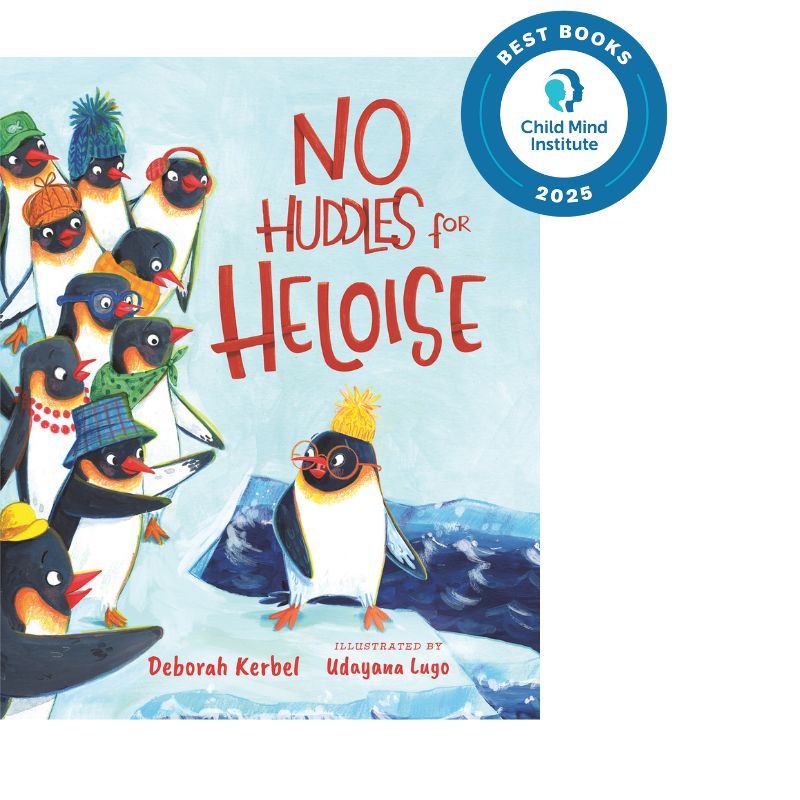
No Huddles for Heloise
Written by Deborah Kerbel, illustrated by Udayana Lugo
A penguin living in Antarctica, where keeping warm and safe sometimes requires her flock to huddle together, is uncomfortable with close contact. It’s not that she’s trying to give her flock the cold shoulder. There are a lot of other activities that she does enjoy! She leaves, looking for a place she may fit in better, but longs for her friends. Happily, she learns that they have missed her enough to find a way to welcome her back and respect her boundaries. “This is a fun and thoughtful book showing how we can enjoy each other’s company while respecting individual differences,” says a Child Mind Institute expert. “It’s a good resource for parents and children to read together, as they learn to navigate tricky social situations.” Ages 3-5. Published by Orca Book Publishers.
Buy at Bookshop.org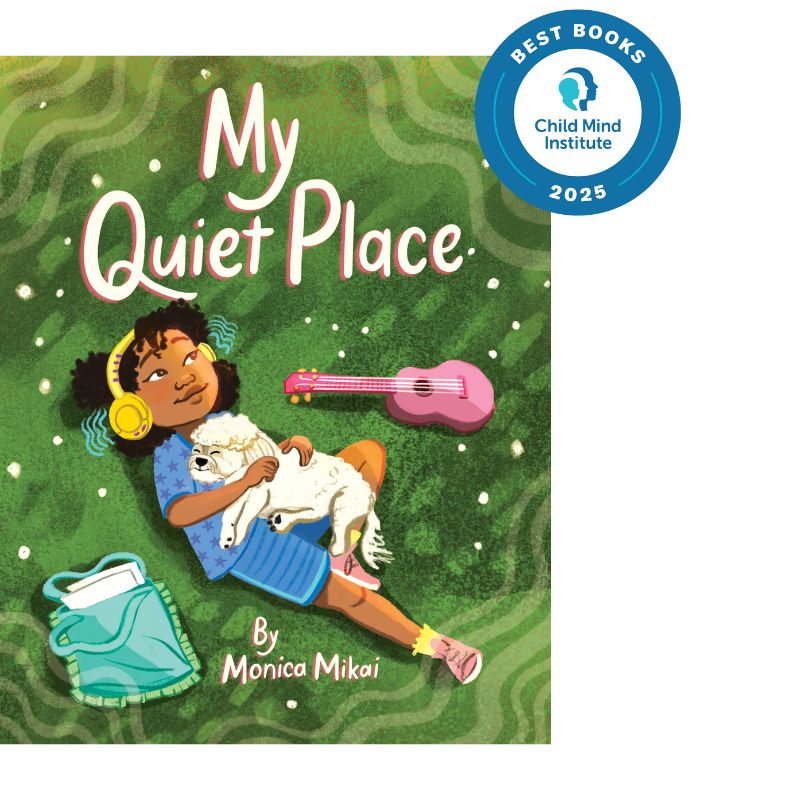
My Quiet Place
Written and illustrated by Monica Mikai
Through the eyes of a young girl who seeks out a quiet place to help her manage the clamor all around, the book’s creators cleverly show that peace can be found in many places and even among other people. “This is a great conversation starter about sensory processing issues and ways to manage those difficulties,” says a Child Mind Institute expert. “It also has a good balance between text and pictures,” which is important for kids with autism. Ages 5-8. Published by Chronicle Books.
Tourette’s

The Beat I Drum
Written by Dusti Bowling
This novel’s author, who has family members with tic disorders, uses her knowledge to help demystify some of the misconceptions surrounding those with Tourette’s. A high school freshman deals with fear, bullying, and ignorance associated with this condition. However, the story also shows how his diagnosis is just one aspect of his life and how it doesn’t stand in the way of pursuing friendships or his passion for drumming. “It is a well-written book with good messages, featuring a character who has Tourette’s who is not a stereotype,” says a Child Mind Institute expert. “It also provides some useful information about tics.” Ages 10-14. Published by Union Square Kids.
Buy at Bookshop.orgTrauma
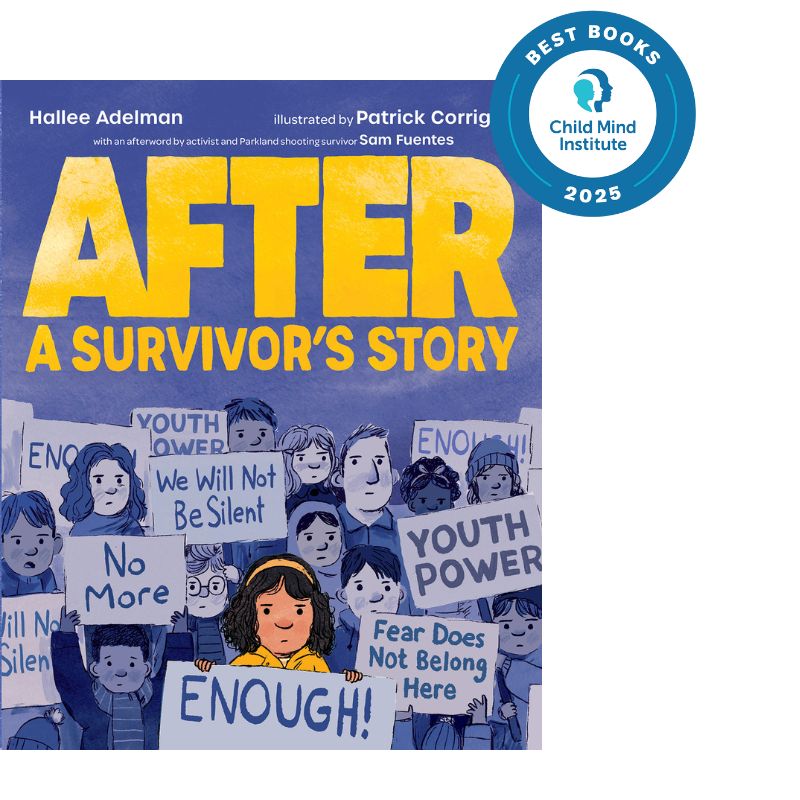
After: A Survivor’s Story
Written by Hallee Adelman, illustrated by Patrick Corrigan
In this sensitive tale, a young girl deals with the emotional fallout of a shooting. When she isn’t mourning her fallen classmate, she is constantly on edge and questioning if she’ll ever really be safe. The events of that day leave her with a fear that sticks to her “like it had been taped and stapled and glued.” When she unites with other children who experienced gun violence, she no longer feels quite alone and becomes determined that together they will stay strong. “The story is one of hope and aligns with resilience building as an antidote to traumatic events,” says a Child Mind Institute expert. “It’s a timely and important topic to start conversations. It does a great job at showing how emotional and physical trauma symptoms can present after an incident.” Ages 4-8. Published by Albert Whitman & Company.
Buy at Bookshop.org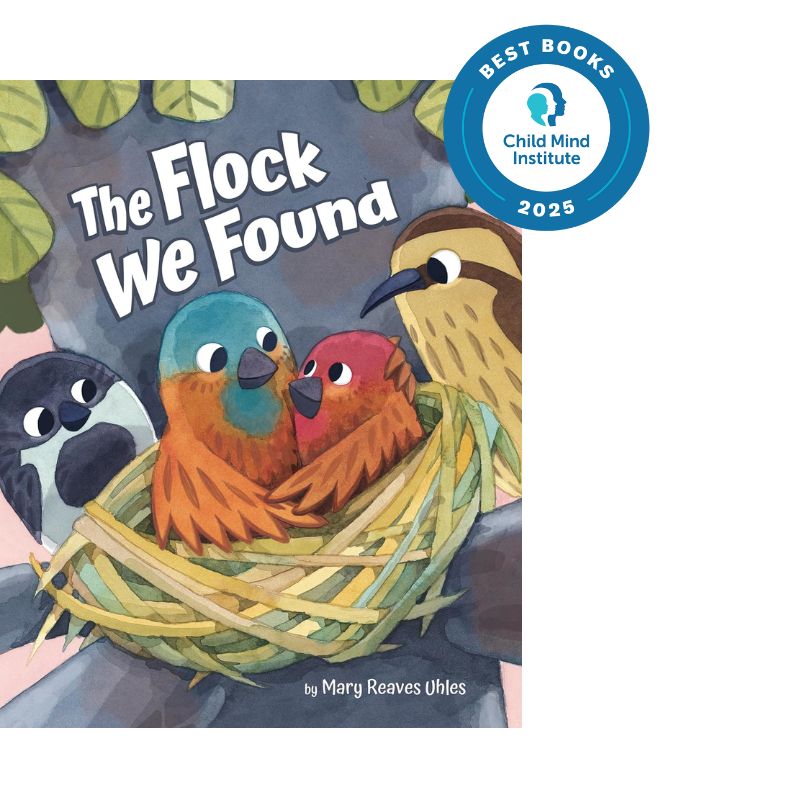
The Flock We Found
Written and illustrated by Mary Reaves Uhles
In this story that ultimately soars, a baby bird will stop at nothing to try to please his father, whose emotional difficulties impact the child’s happiness. Although he feels abandoned by his dad’s apparent disinterest, the baby finds the love and support he needs thanks to his mother and a community of other birds who step up and fill that void. “The book shows the difficulties children may feel when a caregiver is inconsistent, and how children internalize the behavior as if it is their responsibility or fault,” says a Child Mind Institute expert. “However, it also shows how you can expand your perspective to see the ones who are there to support you.” Ages 5-9. Published by Magination Press.
Buy at Bookshop.orgLearn more about our Family Resource Center and our editorial mission.
Was this article helpful?
Related Reading
-
 Why Is It Important to Read to Your Child?
The benefits go far beyond literacy
Why Is It Important to Read to Your Child?
The benefits go far beyond literacy
-
 77 Children’s Books About Mental Health
Best books for helping kids understand emotional and learning challenges
77 Children’s Books About Mental Health
Best books for helping kids understand emotional and learning challenges
-
 How to Keep Kids Reading Over the Summer
Tips for avoiding the 'summer slide'
How to Keep Kids Reading Over the Summer
Tips for avoiding the 'summer slide'
-
 Family Resources for Remote Learning
The stress and uncertainty surrounding the coronavirus pandemic presents daily challenges to the well- being…
Family Resources for Remote Learning
The stress and uncertainty surrounding the coronavirus pandemic presents daily challenges to the well- being…
-
 How Kids Learn to Read
And why effective instruction makes a big difference
How Kids Learn to Read
And why effective instruction makes a big difference
-
 Complete Guide to Dyslexia
Kids learn to read at different paces, and it’s normal for them to struggle at…
Complete Guide to Dyslexia
Kids learn to read at different paces, and it’s normal for them to struggle at…
-
 Should Kids Take Mental Health Days?
When taking a break is helpful (and when it's not)
Should Kids Take Mental Health Days?
When taking a break is helpful (and when it's not)
-
 How to Teach Kids With Dyslexia to Read
Systematic phonics instruction is key to building skills and confidence
How to Teach Kids With Dyslexia to Read
Systematic phonics instruction is key to building skills and confidence
-
 Intellectual Developmental Disorder and Mental Health
Why kids with intellectual disability are at higher risk for mental health disorders — and…
Intellectual Developmental Disorder and Mental Health
Why kids with intellectual disability are at higher risk for mental health disorders — and…
-
Understanding Dyslexia: Signs of Dyslexia in Kids
Know the signs, and how to help kids with the most common learning disability
-
 Mental Health Challenges of LGBTQ+ Kids
A look at risk factors and protective factors
Mental Health Challenges of LGBTQ+ Kids
A look at risk factors and protective factors