When should you get help for a child who’s a pathological liar?
Ask an Expert
When should you get help for a child who's a pathological liar?
Clinical Expert: Harold S. Koplewicz, MD
en Español
Question
When should you get help for a child who's a pathological liar?
Answer
Children lie for many reasons. Sometimes they do it to avoid consequences. Sometimes they do it when feeling inadequate, insecure, or anxious. Sometimes they are simply copying a peer’s or an adult’s bad behavior. Lying, however, is a symptom, not a diagnosis. If a child is a pathological liar or habitually lying and then experiencing distress or dysfunction, it is time to seek professional help and a psychiatric evaluation.
Last reviewed or updated on June 30, 2025.
Learn more about our Family Resource Center and our editorial mission.
Topics

Harold S. Koplewicz, MD
Harold S. Koplewicz, MD
Harold S. Koplewicz, MD, is the founding President and Medical Director of the Child Mind Institute and is a senior child and adolescent psychiatrist in the Psychopharmacology Center. Read Bio
Was this article helpful?
Related Reading
-
 Why Kids Lie and What Parents Can Do About It
How to help kids find honest alternatives to bending the truth.
Why Kids Lie and What Parents Can Do About It
How to help kids find honest alternatives to bending the truth.
-
 Behavioral Treatments at a Glance
An overview of behavioral treatments, how they work, and how they can help
Behavioral Treatments at a Glance
An overview of behavioral treatments, how they work, and how they can help
-
 Common Causes of Behavior Problems in Kids
Knowing what makes kids act out is the first step to finding solutions
Common Causes of Behavior Problems in Kids
Knowing what makes kids act out is the first step to finding solutions
-
 Complete Guide to Substance Use + Mental Health
When children are struggling with both a substance use disorder and a mental health disorder,…
Complete Guide to Substance Use + Mental Health
When children are struggling with both a substance use disorder and a mental health disorder,…
-
 Complete Guide to Getting Good Care
When a child is struggling, or their behavior worries you, it can be hard to…
Complete Guide to Getting Good Care
When a child is struggling, or their behavior worries you, it can be hard to…
-
 Problem Behavior in Preschoolers
How to know when 3- to 5-year-olds need help with behavior
Problem Behavior in Preschoolers
How to know when 3- to 5-year-olds need help with behavior
-
 Choosing a Parent Training Program
How to tell which one is right for you
Choosing a Parent Training Program
How to tell which one is right for you
-
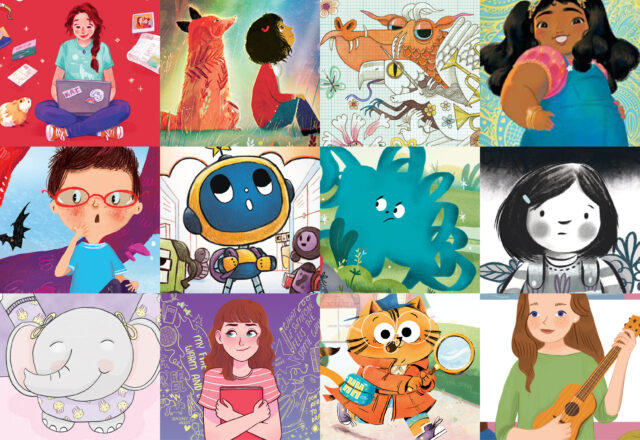 77 Children’s Books About Mental Health
Best books for helping kids understand emotional and learning challenges
77 Children’s Books About Mental Health
Best books for helping kids understand emotional and learning challenges
-
 Helping Children Cope After a Traumatic Event
Tips for supporting children with trauma
Helping Children Cope After a Traumatic Event
Tips for supporting children with trauma
-
 Complete Guide to Emergency Hospitalization
When a child is heading for psychiatric hospitalization, a parent, too, is in a tough…
Complete Guide to Emergency Hospitalization
When a child is heading for psychiatric hospitalization, a parent, too, is in a tough…
-
 Helping Children Cope With Grief
Helping Children Cope With Grief
Helping Children Cope With Grief
More Related