What is enuresis?
Enuresis is a disorder that is often called bedwetting. Children with enuresis repeatedly pee in their clothing or bed. This can happen during the day or at night. Typically, kids with enuresis pee in inappropriate places accidentally, not on purpose. Children must be at least five years old to be diagnosed with enuresis. They usually outgrow it by the time they are teenagers.
What are the symptoms of enuresis?
The main sign that a child has enuresis is regularly peeing in their clothing or bed at the age of five or older. This can happen during the day, at night, or both.
Some kids with enuresis don’t notice when they need to go to the bathroom. Others realize that they need to pee, but get distracted and forget until it is too late. Children who have enuresis at night are often very heavy sleepers and don’t notice that they are wetting the bed.
How is enuresis diagnosed?
A doctor will diagnose enuresis if the child is at least five years old. It is common for younger children to have poor bladder control sometimes. Other requirements for a diagnosis include:
- Peeing their clothes or bed on purpose or by accident
- Symptoms that happen at least twice a week for at least three months, or that cause problems for the child in school or with friends
A doctor will examine the child to rule out medical problems like a urinary tract infection or diabetes.
What are the risk factors for enuresis?
A child is more likely to have enuresis if their parents had it, especially their father. Other risk factors include stress and delayed or inconsistent toilet training.
It’s more common for boys to have enuresis at night. It’s more common for girls to have it during the day.
How is enuresis treated?
Enuresis is usually treated with behavioral therapy. Sometimes, medication is prescribed.
A therapist will work with the family create a behavioral approach to help the child control their bladder. This could include:
- Moisture alarms that wake the child when they begin to wet the bed. This works very well but it can take several weeks.
- Not allowing the child to drink a lot at night.
- Having the child go to the bathroom more often.
- Rewarding the child when they don’t wet the bed at night.
There are two medications that can also help:
- Desmopressin: Decreases the amount of pee the body makes at night.
- Ditropan or Levsinex or Levsin: Increases how much pee the bladder can hold and decreases bladder contractions.
These medications only work for a short period of time. Symptoms will come back if the child stops taking the medicine.
Read more in our article, How to Help Kids Stop Bedwetting.
Learn more about our Family Resource Center and our editorial mission.
Was this article helpful?
Related Reading
-
 The Power of Positive Attention
How to use it (instead of negative attention) to change behavior
The Power of Positive Attention
How to use it (instead of negative attention) to change behavior
-
 Complete Guide to Managing Behavior Problems
When children struggle with their behavior, it can have a negative impact on everyone in…
Complete Guide to Managing Behavior Problems
When children struggle with their behavior, it can have a negative impact on everyone in…
-
 Helping Children Cope With Grief
Helping Children Cope With Grief
Helping Children Cope With Grief
-
 Helping Children Cope After a Traumatic Event
Tips for supporting children with trauma
Helping Children Cope After a Traumatic Event
Tips for supporting children with trauma
-
 Complete Guide to Getting Good Care
When a child is struggling, or their behavior worries you, it can be hard to…
Complete Guide to Getting Good Care
When a child is struggling, or their behavior worries you, it can be hard to…
-
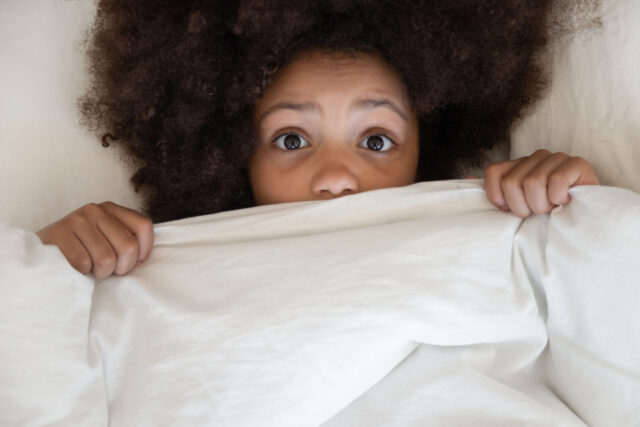 How to Help Kids Stop Bedwetting
Accidents can be a sign of the disorder enuresis
How to Help Kids Stop Bedwetting
Accidents can be a sign of the disorder enuresis
-
 What to Do When Your Child Won’t Talk About Being Bullied
How to spot the signs, support your child, and take action when schools don’t step…
What to Do When Your Child Won’t Talk About Being Bullied
How to spot the signs, support your child, and take action when schools don’t step…
-
 My 7-year-old daughter keeps wetting her pants at school. What should we do?
A behavioral therapist should be able to help
My 7-year-old daughter keeps wetting her pants at school. What should we do?
A behavioral therapist should be able to help
-
 Quick Guide to Autism Spectrum Disorder
Autism spectrum disorder (ASD) is a neurodevelopmental disorder. It affects children in two big ways. First, it…
Quick Guide to Autism Spectrum Disorder
Autism spectrum disorder (ASD) is a neurodevelopmental disorder. It affects children in two big ways. First, it…