What are sleep-wake disorders?
Children with sleep-wake disorders don’t sleep well. Their lack of sleep affects their health and behavior. All kids have the occasional bad night, but kids with sleep-wake disorders have serious trouble sleeping on a regular basis.
Sleep-wake disorders are a group of more than a dozen specific problems that can get in the way of kids’ sleep. The most common sleep problem for children and teens is insomnia, which means trouble falling asleep and/or staying asleep.
Others include hypersomnia (excessive daytime sleepiness), obstructive sleep apnea (disrupted breathing during sleep) parasomnia (experiences during sleep like sleepwalking and night terrors), and delayed sleep phase syndrome (when a shift in their biological clock makes children or teens are unable to fall or stay asleep until hours past their normal bedtime).
What are the symptoms of sleep-wake disorders?
Signs of sleep-wake disorders include:
- Trouble falling asleep
- Sleep that starts and stops during the night
- Teeth grinding while sleeping
- Wetting the bed
- Sleepwalking and talking
- A lot of nightmares
- Trouble breathing while sleeping
- Sleeping too much
- Feeling very tired during the day
- Falling asleep in the middle of a task
- Trouble staying focused, especially during schoolwork
- Being easily annoyed
- Mood swings
How are sleep-wake disorders diagnosed?
A sleep specialist can diagnose sleep-wake disorders by speaking with the child and their family.
They will ask questions about the child’s sleep habits. They may ask the family to take notes on the child’s sleep for a few days or weeks.
The specialist may also want to test the child overnight while they sleep. In this case, the child will spend the night a sleep lab. While the child sleeps, a doctor use a test called a polysomnogram to measure the child’s brain activity, movements and breathing.
Some of the symptoms of sleep-wake disorders can look like other mental health disorders, such as major depressive disorder or substance use disorder. That’s why it’s important to have a doctor figure out what is causing the child’s symptoms.
How are sleep-wake disorders treated?
Sleep-wake disorders can be treated with therapy, medication or both.
Two types of effective therapy for sleep-wake disorders are:
- Behavioral therapy: In behavioral therapy, children and/or caregivers learn strategies to help children fall asleep and stay asleep independently, which leads to better sleep quality.
- Cognitive behavior therapy (CBT): In CBT, older children and adolescents learn strategies to reduce anxiety and promote relaxation at bedtime, in addition to sleep hygiene practices, which help them fall asleep more easily.
There are also medications that can help treat sleep-wake disorders. Children taking medication should
Learn more about our Family Resource Center and our editorial mission.
Was this article helpful?
Related Reading
-
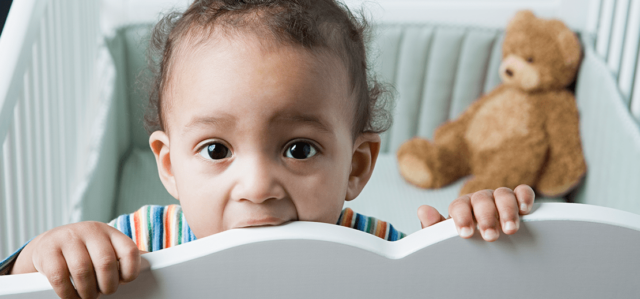 Choosing a Sleep Training Method That Works for Your Family
A survey of strategies from 'cry it out' to 'no cry'
Choosing a Sleep Training Method That Works for Your Family
A survey of strategies from 'cry it out' to 'no cry'
-
 Teens and Sleep: The Cost of Sleep Deprivation
Lack of adequate sleep is linked to moodiness, risky behavior and injuries
Teens and Sleep: The Cost of Sleep Deprivation
Lack of adequate sleep is linked to moodiness, risky behavior and injuries
-
 ADHD and Sleep Issues
Why they’re common and what we can do to help
ADHD and Sleep Issues
Why they’re common and what we can do to help
-
 ADHD and Sleep Disorders: Are Kids Getting Misdiagnosed?
Since both cause attention problems, they can be difficult to tease apart
ADHD and Sleep Disorders: Are Kids Getting Misdiagnosed?
Since both cause attention problems, they can be difficult to tease apart
-
 Complete Guide to Teenagers and Sleep
Adolescents are notoriously sleep-deprived, because of a combination of biology, technology and the demands of…
Complete Guide to Teenagers and Sleep
Adolescents are notoriously sleep-deprived, because of a combination of biology, technology and the demands of…
-
 Complete Guide to Substance Use + Mental Health
When children are struggling with both a substance use disorder and a mental health disorder,…
Complete Guide to Substance Use + Mental Health
When children are struggling with both a substance use disorder and a mental health disorder,…
-
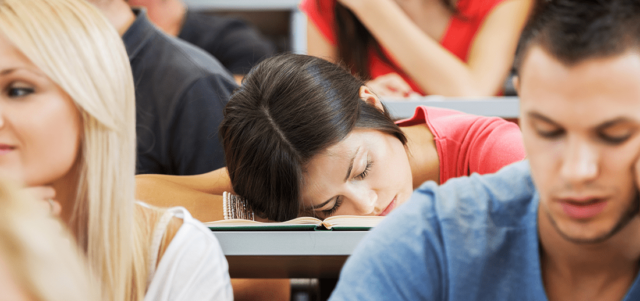 How to Help Teenagers Get More Sleep
It's not easy, but parents still have the power to encourage good sleep habits
How to Help Teenagers Get More Sleep
It's not easy, but parents still have the power to encourage good sleep habits
-
 Encouraging Good Sleep Habits
Tips for helping kids fall — and stay — asleep
Encouraging Good Sleep Habits
Tips for helping kids fall — and stay — asleep
-
Why Are Teenagers So Sleep-Deprived?
A perfect storm of biology, technology, and homework
-
 How to Help Kids Who Have Trouble Sleeping
There are several ways to say goodbye to bad nights
How to Help Kids Who Have Trouble Sleeping
There are several ways to say goodbye to bad nights