Looksmaxxing originates from the incel ideology that female sexual selection is primarily based in physical attraction. Therefore, men must enhance or “maximize” their appearance to become more attractive. Self-improvement practices associated with the trend have become widely popular among teen boys, which can include skin care routines, high-protein diets, or even the use of growth hormones.
Looksmaxxing and Its Impact on Boys
Looksmaxxing and Its Impact on Boys
How to help your teen navigate new standards for male attractiveness
Clinical Expert: Alnardo Martinez, LMHC
en EspañolKey Takeaways
-
Looksmaxxing originated nearly a decade ago in incel forums where men blamed their romantic problems on the idea that women are mainly attracted to physical traits.
-
Looksmaxxing social media content can make issues like self-esteem, depression, and social anxiety worse in teen boys due to harsh criticism and comparison.
-
Parents can support their teens by having open conversations about the content they see online, encouraging positive male role models, and seeking help from a mental health professional.
By now, you’ve probably heard of the term looksmaxxing. Think pieces about the trend have popped up all over the internet. And in a recent episode of Saturday Night Live, comedians poked fun at lookmaxxing influencers obsessed with having the perfect male physique.
While this new social media craze may seem silly, it’s impacting more boys than you might think. In a study conducted last year that surveyed over 3,000 young men (ages 16–25) from the United States, United Kingdom, and Australia, nearly two-thirds of participants were regularly engaging with masculinity influencers.
Teen boys are being encouraged to change the way they look in order to fit a certain standard of attraction. The growing amount of looksmaxxing content they see online can have real effects on their self-esteem and mental health.
What is looksmaxxing?
Looksmaxxing originated nearly a decade ago in incel forums where men blamed their lack of romantic partners on the belief that female sexual selection is primarily based on physical qualities. So men who aren’t born with traits desirable to women are doomed to fail romantically. While traditional incels wallow in this fate, looksmaxxers seek to enhance their appearance to become more attractive. Their community claims that there is a universal standard for what the ideal man (and woman) should look like.
This is determined by a rating system called the PSL scale — the name being an amalgamation of three prominent misogynistic incel forums of the 2010s. There are many factors that go into the scaling, such as eye shape, jaw size, nose angle, and body fat percentage. Along this scale, you can land in four categories: subhuman, normie, Chadlite, and Chad (the ultimate catch).
During the pandemic, looksmaxxing went mainstream, merging with “manosphere” content on social media platforms like TikTok and Instagram. The trend became less about the ability to attract women and more of a competition among boys and men as they engaged in mog-offs — online contests where people have their faces analyzed and compared by facial recognition software to determine who’s better looking.
Self-improvement practices have gained popularity among boys. Some are considered to be softmaxxing, like developing skincare routines or eating high-protein diets, and others to be hardmaxxing, like using growth hormones or getting cosmetic surgery.
Prominent young influencers like Clavicular represent the extreme side of looksmaxxing. He practices bonesmashing (using a hammer on facial bones to try to form more angular features), injects himself with testosterone, and takes meth to maintain a low body fat percentage while still having a muscular physique.
Looksmaxxing and new beauty standards
The rise of looksmaxxing seems to have caused a ripple effect among teen boys. While the ideal look has centered on big muscles and washboard abs for decades, there’s now an added pressure on facial beauty that’s typically been reserved for girls.
“With some of the teen boys I work with, most of whom already have self-esteem issues, I think there is a lot more concern about how they look,” observes Alnardo Martinez, LMHC, director of the Pediatric OCD Intensive Program and a mental health counselor at the Child Mind Institute. “They want to have the strong jaw, really big muscles, clear skin, and perfect haircut.”
However, Martinez notes that it sometimes take a while for boys to admit that they feel this pressure. They may insist that they don’t really care about that stuff. “But then, maybe a few months later, it comes out that there is a lot of comparison. They’re spending a lot of time in front of the mirror or in the bathroom trying to create this perfect image,” he observes.
What teen boys think about looksmaxxing and self-improvement
We talked to young men who were critical of Clavicular and the impact looksmaxxing can have on teens but were positive about engaging in some form of physical self-improvement.
Wyatt, now 19, remembers comparing his jawline to his peers’ when he was in 7th grade. “I just felt like they had really sharp jawlines. And I was just like, ‘Oh, I want to get closer to that.’” He would also come across TikToks advertising rubber chewing blocks and chin exercises meant to strengthen the jawline.
And so, Wyatt began to do jaw exercises he’d found online, reciting the alphabet while stretching out the muscles. “I would go through my Zoom classes throughout the day and then after that was done, I’d just go into the bathroom and go through the whole exercise. It would take like an hour sometimes,” he recalls. “It turned into more like a self-care, self-improvement session. I would do that every day after my classes. I didn’t feel like I was done with school until I finished my jawline routine.” He took photos to document his progress.
Wyatt feels like the routine had a positive effect, because he was able to see an improvement. “I felt more satisfied with myself, a little more confident.”
Lev, now 19, remembers wanting to have some control over his body when going through puberty in high school. “Puberty is not a straightforward process. It’s not all peaches and cream. Your body changes, and it can be uncomfortable,” he explains. “But with lifting and strength training, it was very exciting to see this, you know, man energy that came out of it. I wanted to harness that and really take it by the reins. Have some agency as a man.”
And while he rejects the extreme parts of looksmaxxing, Lev does regularly practice self-improvement through weight lifting, skin care routines, and taking GLP-1 weight loss medication.
How looksmaxxing can impact boys’ mental health
Since looksmaxxing places such a strong emphasis on achieving a very specific look, clinicians are concerned about its influence on teens. “Self-esteem is pretty fragile during puberty,” Martinez says. “There’s already a ton of comparison and perceived flaws that teens don’t love about themselves.”
These insecurities can be exacerbated by the type of content teens engage with online, Martinez explains. Along with ChatGPT bots specifically designed to judge aesthetics, Reddit threads such as r/Mewing and websites like Looksmaxxing Forum encourage boys to post pictures of their faces and bodies to get rated by their peers. Boys as young as 13 visit these forums, posting pictures and asking for tips on how to improve their looks.
“These are generally places where people are already pretty harsh and critical. These boys are receiving a lot more ‘confirmation’ around the perceived things that are wrong with them or that they need to change,” Martinez says. “And it just feeds into the already present negative self-image and self-talk.”
He explains that this type of social media engagement can also compound underlying mental health issues like depression and social anxiety. “They might be less likely to go out and talk to people because they’re thinking, ‘Everyone is going to see this one thing that everyone else has told me is wrong with me. So now I can’t go out,’” he says.
Martinez is also concerned that online content can negatively affect teens with body dysmorphic disorder (BDD). “If they think they have a big nose, for example, they might go on these Reddits and ask, ‘What does my nose look like? Is it too big?’ There are trolls out there. Someone is going to say yes and then that’s going to make the BDD symptoms even worse.”
When behaviors might be concerning
In some ways, teen boys taking part in more self-improvement practices could be seen as a good thing. They’re exercising, taking care of their skin, and eating more balanced diets. The issues begin when these types of practices turn into obsession. And given the underlying ideology of looksmaxxing and the nature of social media, things can become unhealthy.
According to Martinez, there are some changes in behavior to look out for that indicate you might want to step in.
One clear change, he says, is a noticeable shift in the amount of time they’re spending on grooming themselves. “Maybe they were someone who would typically just get up and run out the door without washing their face,” he says. “But now they’re spending a lot more time in the bathroom and asking a lot of questions about how they look.”
Another warning sign can be a big change in personality. “Irritability is a big one that we’ll see a lot,” he says. “They’re unhappy with how they look, so this increases a general level of irritation.”
These behaviors paired with an unusual uptick in time spent on social media, Martinez explains, can be a sign that something’s wrong and support is needed.
How to support your child
If you’re worried that your child might be engaging in looksmaxxing-related behaviors to an unhealthy degree, says Martinez, there are a few things you can do:
- Open communication. Martinez suggests approaching your child with curiosity. “You could start the conversation by saying something like, ‘So have you heard about this? What do you think about it? Have you ever had any thoughts yourself about how you look or desires to change your body or face?’ And then give them some space to be open and vulnerable about it. Validate their experience.”
- Find out where your child is getting their information. “Read it together, talk about it, and see what your child thinks about it,” Martinez advises. “And if it’s promoting something dangerous, then you can talk to them about how those practices can be harmful and what could actually happen if they do some of those things.”
- Encourage male role models. “There’s a patient I work with now who doesn’t have a present dad,” Martinez explains. “His mom tries to talk to him about things like body image, but he feels like she doesn’t understand and can’t relate. So having someone that he can talk to and be open about this stuff with, especially someone who can also share their own struggles, can be really helpful.”
- Seek help from a mental health professional. This is especially important if you find out that your child has been engaging in extreme forms of looksmaxxing such as bonesmashing or starvemaxxing. Martinez recommends looking for a clinician who specializes in body image or body dysmorphic disorder.
A lot of parenting comes down to open communication around what your kids are seeing and what they’re feeling. We all have things about our bodies that we might not like and wish we could change, says Martinez, and it can help to normalize those feelings. “And then you can discuss how they can make changes in healthy ways,” he suggests. “Go over what’s a realistic change and what’s a dangerous change.”
Frequently Asked Questions
Since teen boys are going through puberty, they may already feel self-conscious about their looks. Looksmaxxing social media content and forums can feed into these worries and exacerbate underlying mental health issues such as depression and social anxiety.
If you’re worried your teen is engaging in an unhealthy amount of self-improvement practices, it can be helpful to have an open conversation about looksmaxxing, what they’re seeing online, and the dangers of some of the more extreme self-improvement practices. You can also reach out to a mental health professional who is experienced in body image issues.
Last reviewed or updated on August 13, 2026.
Learn more about our Family Resource Center and our editorial mission.
References
The Child Mind Institute publishes articles based on extensive research and interviews with experts, including child and adolescent psychiatrists, clinical psychologists, clinical neuropsychologists, pediatricians, and learning specialists. Other sources include peer-reviewed studies, government agencies, medical associations, and the latest Diagnostic and Statistical Manual (DSM-5). Articles are reviewed for accuracy, and we link to sources and list references where applicable. You can learn more by reading our editorial mission.
-
Bound-Alberti, Fay. “Face Value: Why ‘Looksmaxxing’ Is More Than Mewing and Mirrors.” Time, May 3, 2026.
https://time.com/article/2026/05/02/face-value-why-looksmaxxing-is-more-than-hope-and-mirrors/ -
DeLuca, Ashleigh N. “Why ‘Looksmaxxing’ Is Putting Teen Boys at Risk.” Parents, June 24, 2026.
https://www.parents.com/why-looksmaxxing-is-putting-teen-boys-at-risk-11756133 -
Fisher, Kristen, Simon Rice, Zac Seidler. “Young Men’s Health in a Digital World.” Movember Institute of Men’s Health, 2025.
https://us.movember.com/movember-institute/masculinities-report -
Iovine, Anna. “Who Is Clavicular, and Why Is He Everywhere Right Now?” Mashable, February 26, 2026.
https://mashable.com/article/clavicular-looksmax-incel-explained -
Okundaye, Jason. “Behind the Rise of Clavicular and ‘Looksmaxxing’ There Are Insecure Young Men Who Feel They Don’t Measure Up.” The Guardian, March 24, 2026.
https://www.theguardian.com/society/commentisfree/2026/mar/24/clavicular-insecure-young-men-looksmaxxing -
Rapkin, Mickey. “Do You Even Maxx, Bro?” Men’s Health, January 7, 2025.
https://www.menshealth.com/grooming/a63149374/looksmaxxing-auramaxxing-scentmaxxing-trend/ -
Rothfeld, Becca. “The Captivating Derangement of the Looksmaxxing Movement.” The New Yorker, March 7, 2026.
https://www.newyorker.com/culture/critics-notebook/the-captivating-derangement-of-the-looksmaxxing-movement -
Sosnick, Charlie. “Inside the PSL Scale: The Looksmaxxer Rating System That All the Teenagers Are Referencing.” GQ, December 8, 2025.
https://www.gq.com/story/inside-the-psl-scale-the-looksmaxxer-rating-system -
Tomkins, Isaaq. “Streaming Platform Twitch Lets Users Enter Viral ‘Mogging’ Beauty Contests.” The Guardian, May 10, 2026.
https://www.theguardian.com/games/2026/may/10/mogging-gen-z-and-why-streaming-platform-twitch-hanged-rules-omoggle -
Townsend, Chance. “The Looksmaxxing Glossary: Understanding the Internet’s Most Unhinged Subculture.” Mashable, March 5, 2026.
https://mashable.com/article/looksmaxxing-glossary-clavicular

Faith Wilkins
Faith Wilkins
Faith Wilkins is a senior staff writer at the Child Mind Institute and Coordinator of the Mental Health Support for Black Families study. Read Bio
Was this article helpful?
Related Reading
-
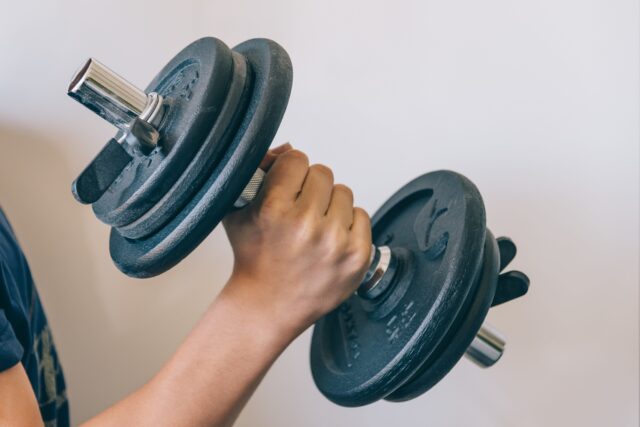 Boys and Eating Disorders
They don't fit the stereotype, and are often overlooked
Boys and Eating Disorders
They don't fit the stereotype, and are often overlooked
-
 What Is Body Dysmorphic Disorder?
How to help kids who feel they have disfiguring flaws
What Is Body Dysmorphic Disorder?
How to help kids who feel they have disfiguring flaws
-
 How to Build Boys’ Self-Confidence
Boys face their own set of gender-based challenges. Here are some ways to help
How to Build Boys’ Self-Confidence
Boys face their own set of gender-based challenges. Here are some ways to help
-
 Why Many Autistic Girls Are Overlooked
They often go undiagnosed because they don’t fit autism stereotypes and they mask symptoms better…
Why Many Autistic Girls Are Overlooked
They often go undiagnosed because they don’t fit autism stereotypes and they mask symptoms better…
-
 How Early Puberty Affects Children’s Mental Health
Tips for supporting kids through a challenging transition
How Early Puberty Affects Children’s Mental Health
Tips for supporting kids through a challenging transition
-
 What Are the Kinds of Depression?
The sadness and irritability of depression can take several different forms
What Are the Kinds of Depression?
The sadness and irritability of depression can take several different forms
-
 How to Talk to Kids About Sex and Consent
When it comes to sex, setting boundaries and respecting them are both important
How to Talk to Kids About Sex and Consent
When it comes to sex, setting boundaries and respecting them are both important
-
 DBT: What Is Dialectical Behavior Therapy?
A treatment for children and teenagers with trouble managing emotions
DBT: What Is Dialectical Behavior Therapy?
A treatment for children and teenagers with trouble managing emotions
-
 Mood Disorders and Teenage Girls
Why they are more vulnerable than boys, and what signs and symptoms you should look…
Mood Disorders and Teenage Girls
Why they are more vulnerable than boys, and what signs and symptoms you should look…
-
 12 Tips for Raising Confident Kids
How to build self worth in children and help them feel they can handle what…
12 Tips for Raising Confident Kids
How to build self worth in children and help them feel they can handle what…
-
 Raising Girls With Healthy Self-Esteem
How to help our daughters develop confidence and a positive body image
Raising Girls With Healthy Self-Esteem
How to help our daughters develop confidence and a positive body image
More Related