The Best Kids' Books About Mental Health of 2026
Experts at the Child Mind Institute read more than 70 books to choose the top picks of the year
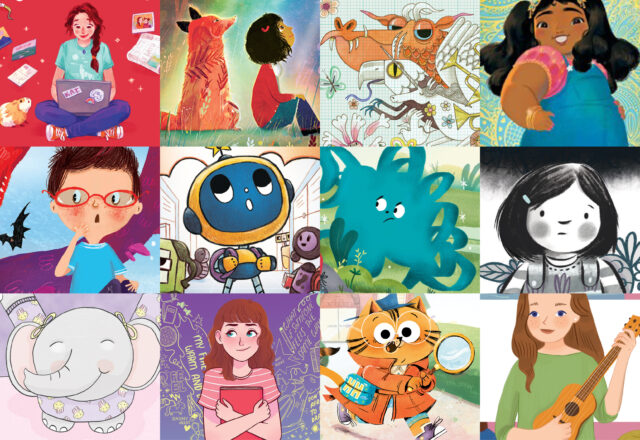
Children’s books about mental health can help young readers understand emotions, learn about their (or a friend’s) diagnosis, and build resilience. It seems like there’s a book for nearly any topic, from OCD, anxiety, or autism to body image, grief, or big feelings. That’s because the mental-health kids’ book category is burgeoning: For our third-annual best books list, we looked at nearly 200 titles published in 2026 — more contenders than we’ve ever had before — and narrowed them down to 70 semi-finalists. Then Child Mind Institute clinicians and editorial staff reviewed and rated the books, highlighting ones that accurately depict mental health challenges and how to help kids handle them, to settle on the 20 titles below as their top picks. From an adorable board book about mindfulness that features sensory stimulation to a young-adult novel about a 16-year-old with spiraling social anxiety, this list has something for every age, from toddler to teen.
For more kids’ books about mental health, see our list of past recommendations.
ADHD
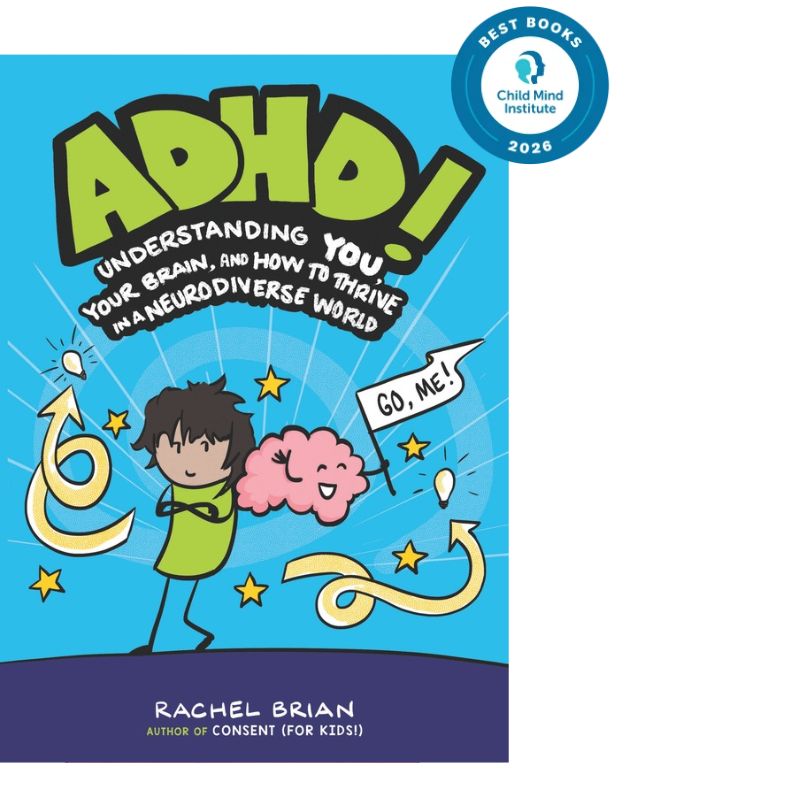
ADHD! Understanding You, Your Brain, and How to Thrive in a Neurodiverse World
Written by Rachel Brian
An illustrated guidebook welcomes in all readers, whether they have ADHD or know someone who does. Each page utilizes graphics like comic panels, word balloons, and line drawings to help break down important topics including “What Is ADHD?” into bite-size pieces of information. It also gives ideas about how to handle challenges, like when big emotions show up or when you feel restless. Says a Child Mind Institute expert: “The visuals and language are child-friendly and will help kids understand an ADHD diagnosis.” Ages 7–10. Published by Little, Brown Books for Young Readers.
Buy at Bookshop.org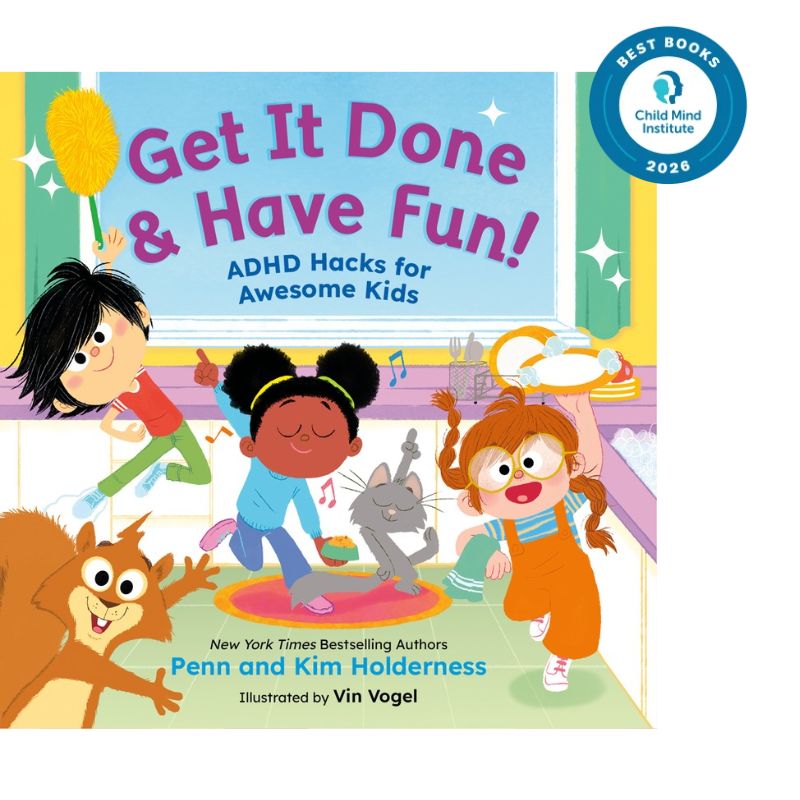
Get It Done & Have Fun!: ADHD Hacks for Awesome Kids
Written by Penn and Kim Holderness, illustrated by Vin Vogel
Narrated by a plucky, rhyming squirrel named Squeaky McGee, this book gives kids with ADHD advice on how to complete the mundane tasks that may trouble them. These tips are delivered in boisterous verse (“A hack is a way to take a dull chore — and make it a super-fun game you adore.”), with suggestions for brushing teeth, making the bed, and more. The authors bolster their catchy tale with an appendix that explains the importance of motivation and how parents can further guide their children in creating hacks. “I like how the book explains the components of what makes a good hack, which includes being interesting, challenging, and new,” says an expert from the Child Mind Institute. Ages 6–10. Published by Little, Brown Books for Young Readers.
Buy at Bookshop.orgAnxiety
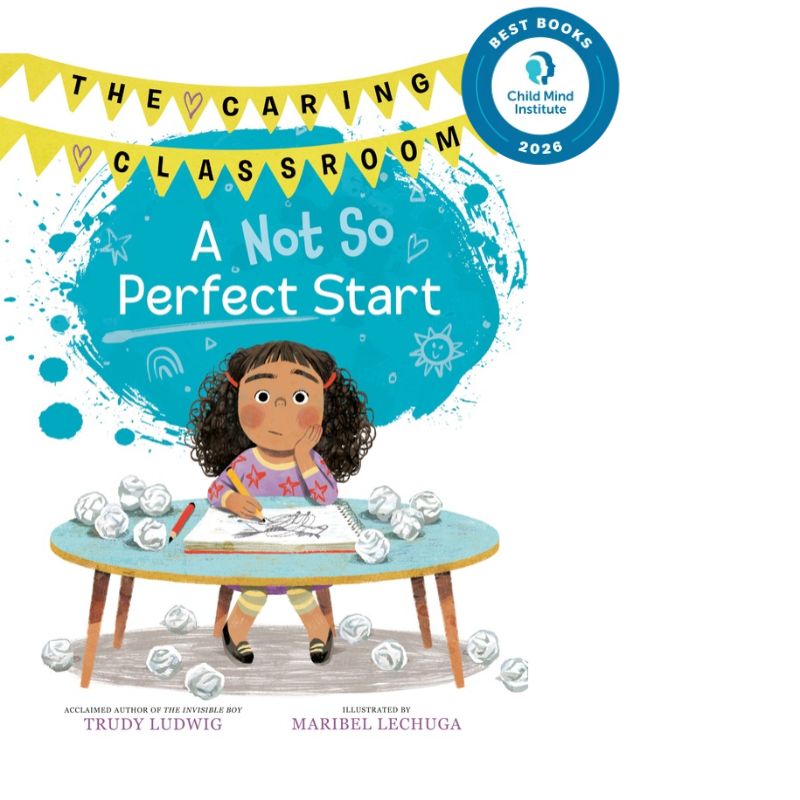
The Caring Classroom: A Not So Perfect Start
Written by Trudy Ludwig, illustrated by Maribel Lechuga
Thea is just beginning school in this picture book, and she is desperately hoping that her first week will be flawless and her new teacher will like her. But no amount of preparation can ensure everything will go smoothly, and it doesn’t. Happily, Thea’s teacher emphasizes that everybody makes mistakes, and the important thing is being kind to yourself and others. “I really enjoy how the teacher normalizes feelings of anxiety by sharing with the kids that she gets nervous too,” says a Child Mind Institute expert. “The author also provides brief but helpful tips about how it’s okay to make mistakes, and what to do when you feel stuck.” Ages 3–7. Published by Alfred A. Knopf.
Buy at Bookshop.org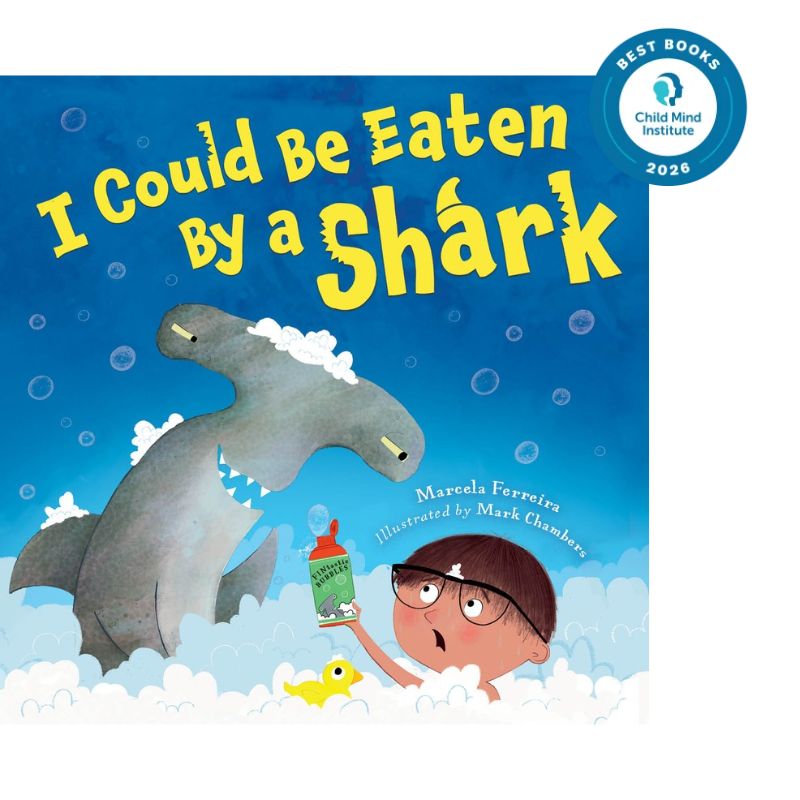
I Could Be Eaten by a Shark
Written by Marcela Ferreira, illustrated by Mark Chambers
With a mix of empathy and humor, this picture book helps kids face their fears. A boy is at the beach when he spots a small shark in the water, and he won’t go in. His grandfather takes him fishing on the lake instead, but it’s a no go. Every body of water, even a bubble bath, now makes the boy “jumpy” and “suspicious.” So grandpa decides to tell a story about his fear of bears when he was young and how he learned how to live with them. And it works! In a sweet ending, the boy, now an adult, passes on that wisdom to his grandchild. “I liked that the book discussed that fears are real and can always be present, but that it’s important not to let them get in the way of doing things you love,” says a Child Mind Institute expert. Ages 3–7. Published by Charlesbridge.
Buy at Bookshop.org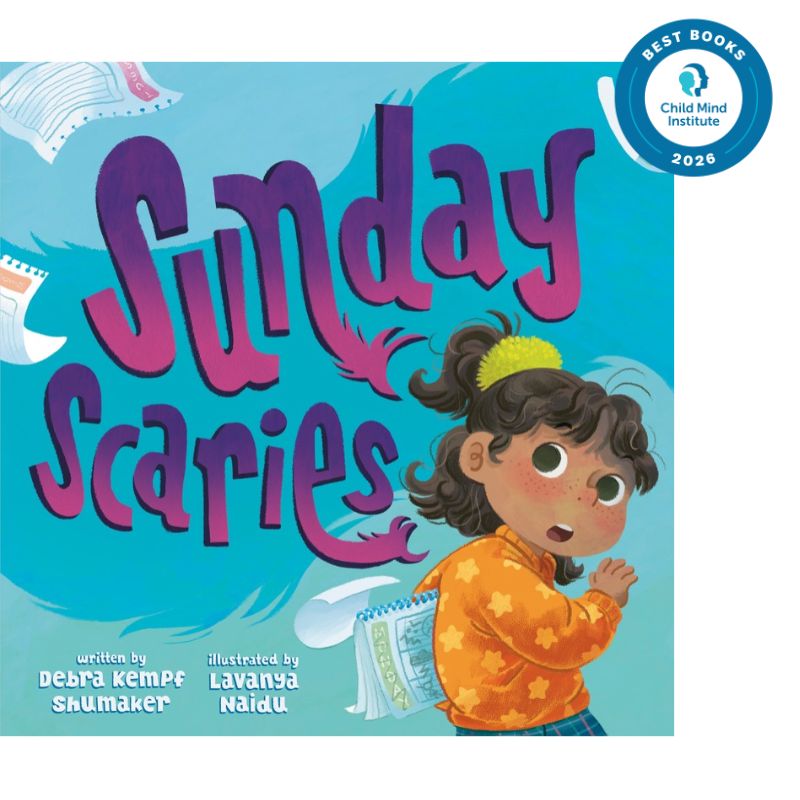
Sunday Scaries
Written by Debra Kempf Shumaker, illustrated by Lavanya Naidu
The dread that accompanies the end of the weekend grips Josie every Sunday, so she hatches humorous plans to avoid going back to school. However, when she actually gets to class, the week goes fine. So, why does the fear come back every Sunday, and why are her parents a bit grumpy that night also? The story has the family come up with clever ways to cope with the fear they share by focusing on the things that are worth looking forward to in the days to come. “I loved this book! It’s so realistic for children who experience anxiety about going to school. I enjoyed how her parents were able to acknowledge and empathize with her feelings,” says an expert from the Child Mind Institute. “At the end of the book, it provides simple, yet practical, tools for parents.” Ages 3–7. Published by Alfred A. Knopf.
Buy at Bookshop.org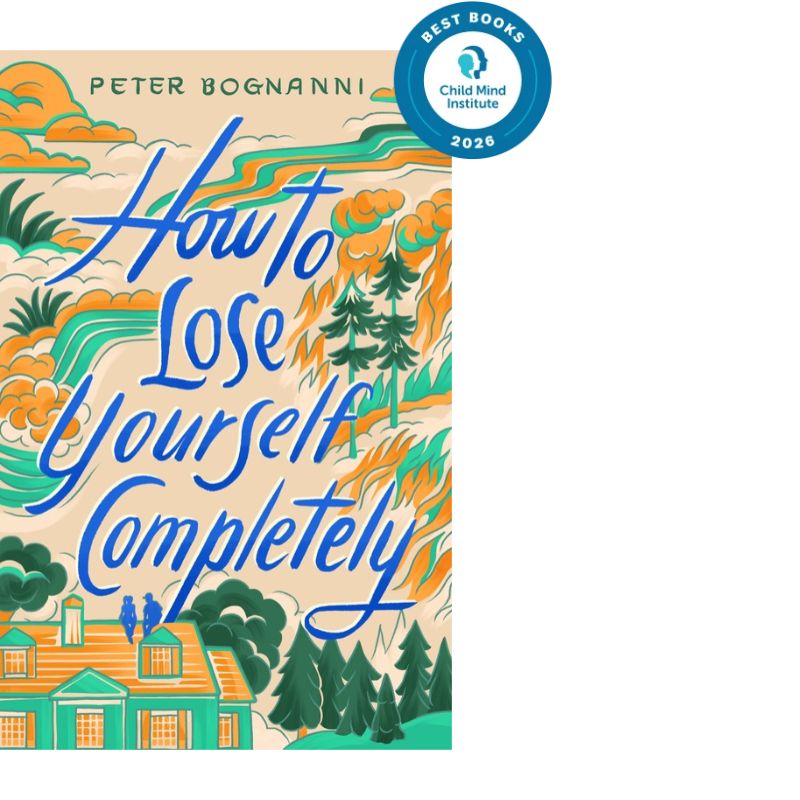
How to Lose Yourself Completely
Written by Peter Bognanni
In this very engaging young-adult novel about wilderness “adventure therapy,” 16-year-old Case narrates the story, slowly revealing the details behind the loss of his older brother. When the kids’ counselor suddenly disappears, the group has to learn to work together to find their way home. “You’ll feel the crippling grip of social anxiety, the power of finding belonging and understanding with peers thrown together in a wilderness survival situation,” said a Child Mind Institute expert. “While there are some troubling scenes, including a wildfire, this book could and should inspire conversations.” Ages 14–18. Published by Harperteen.
Buy at Bookshop.orgAutism
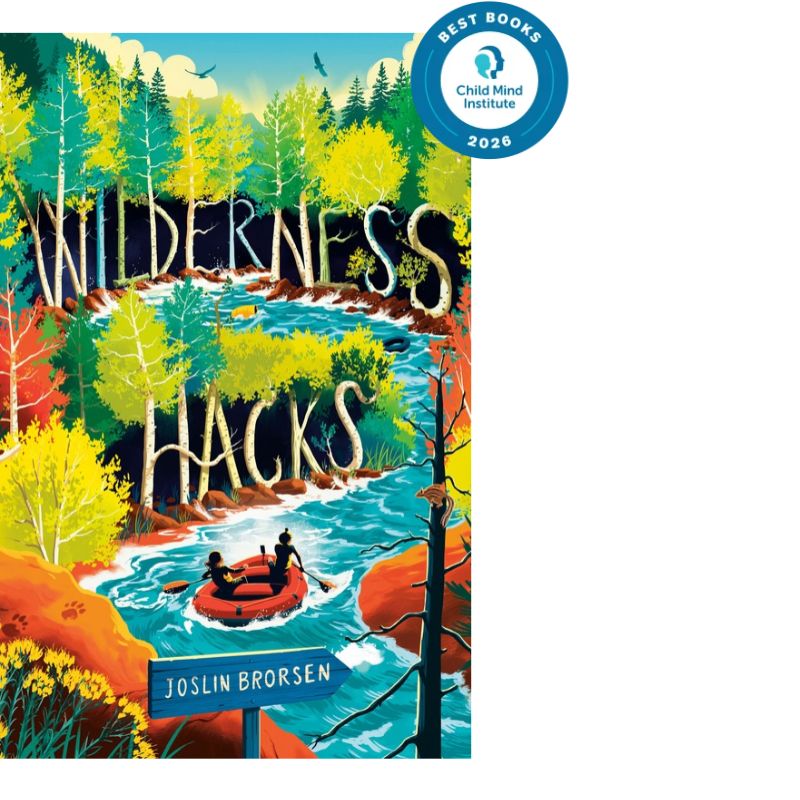
Wilderness Hacks
Written by Joslin Brorsen
This middle-grade novel features two narrators: 12-year-old Sadie and Radley, who at 13 has become a famous YouTube influencer. Rad claims to be a survivalist, but Sadie has skills taught to her by her late father, whom she still misses. When she enters a contest to meet Rad, on behalf of her autistic brother Silas, the kids are swept into a dangerous adventure. They must contend with injuries, a mountain lion, their differences, and the emotional baggage they carry as they try to make it home alive. “This is a great book and hard to put down! It provides an inside view of what it is like losing a parent and how one copes by sister-smothering her autistic younger sibling,” says a Child Mind Institute expert. Ages 8–12. Published by Alfred A. Knopf.
Buy at Bookshop.orgBody Positivity
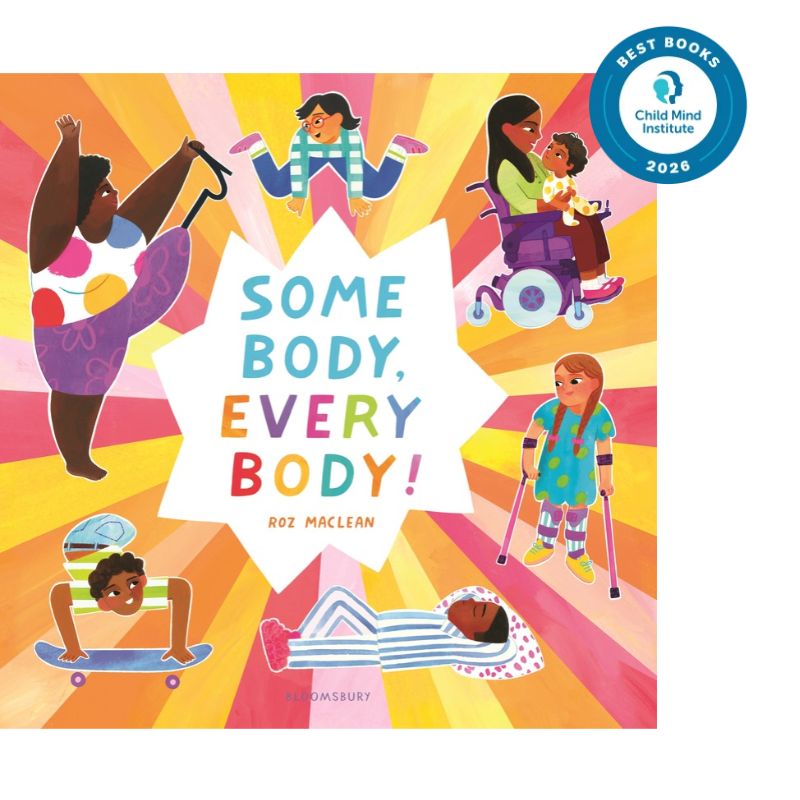
Some Body, Every Body
Written and illustrated by Roz Maclean
Utilizing pictures and a fun rhyme scheme to illustrate a myriad of body types, this book presents the scope of humanity, more so than in other books with a similar theme. “The author achieves the message of body positivity very well. The book shows so many body differences that aren’t shown often with well-done art and a diverse cast,” says a Child Mind Institute expert. “It’s an easy recommendation for a child with a disability or anything about their body they’re insecure about.” Ages 3–6. Published by Bloomsbury Children’s Books.
Buy at Bookshop.orgDepression
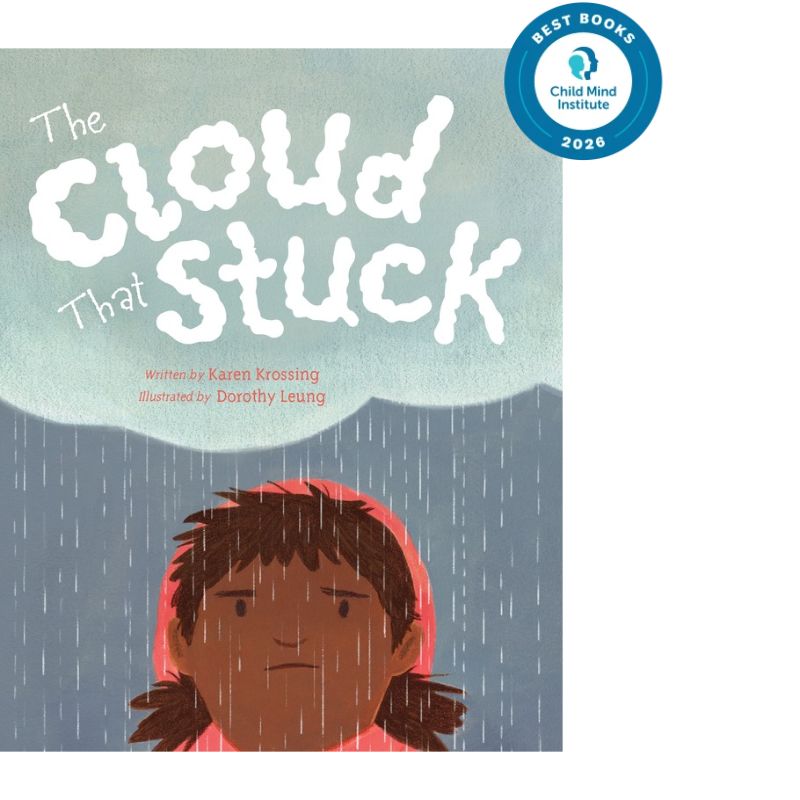
The Cloud That Stuck
Written by Karen Krossing, illustrated by Dorothy Leung
In this beautifully illustrated picture book, a persistent cloud hangs over Tansy’s head and grows so large that it begins to rain — but only on her. Tansy’s dad gives her a raincoat and umbrella, and her teacher sets up a fan to move the cloud, which help “a little.” Eventually, she begins to accept the cloud and discovers ways to make the best of a difficult situation with the support of friends and family. “The main character’s emotional reactions, including her sadness, frustration, and eventual resilience, are relatable and easy for young readers to connect with,” says a Child Mind Institute expert. “This story highlights perseverance through challenges that do not have an easy fix, while offering a hopeful message about acceptance, coping, and the importance of support from others.” Ages 4–8. Published by Charlesbridge.
Buy at Bookshop.orgDyslexia
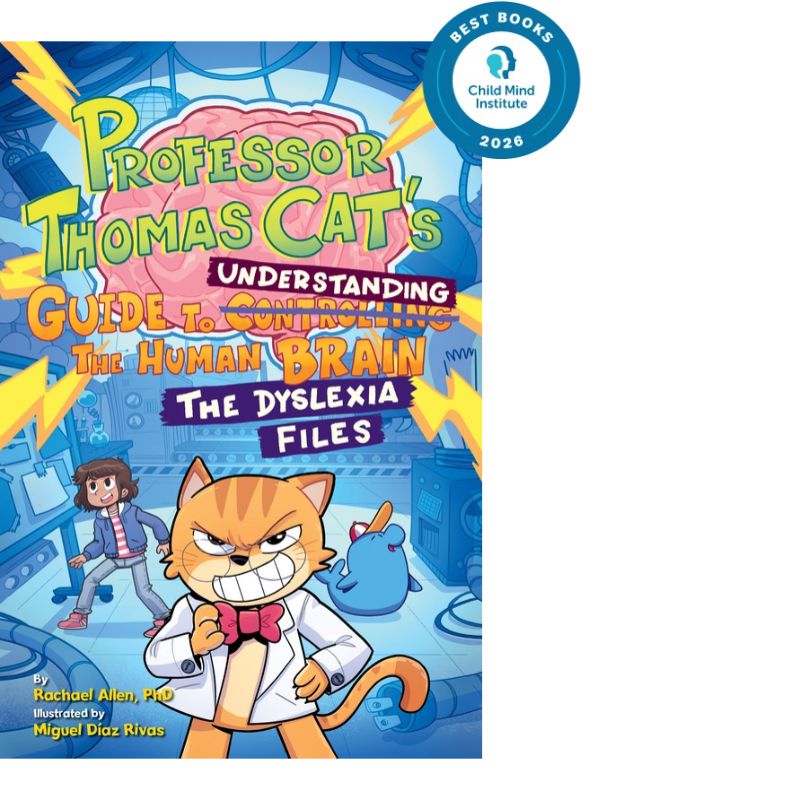
Professor Thomas Cat’s Guide to Understanding the Human Brain: The Dyslexia Files
Written by Rachel Allen, PhD, illustrated by Miguel Díaz Rivas
This graphic novel stars Professor Cat, a slightly arrogant feline scientist who takes Ava on a tour of a brain factory to explain how the mind of a kid with dyslexia works. The author, a neuroscientist, keeps things fun and light but doesn’t sugarcoat Ava’s situation. Ava has struggles, but her dyslexia also gives her strengths. The book includes experiments, such as a Dyslexia Simulator that allows people to see what reading for someone with dyslexia is like. An expert at the Child Mind Institute says that it “really dives into understanding dyslexia, including brain structures, characteristics, and support while being fun and easy to follow.” Ages 9–14. Published by Magination Press.
Buy at Bookshop.orgEmotions
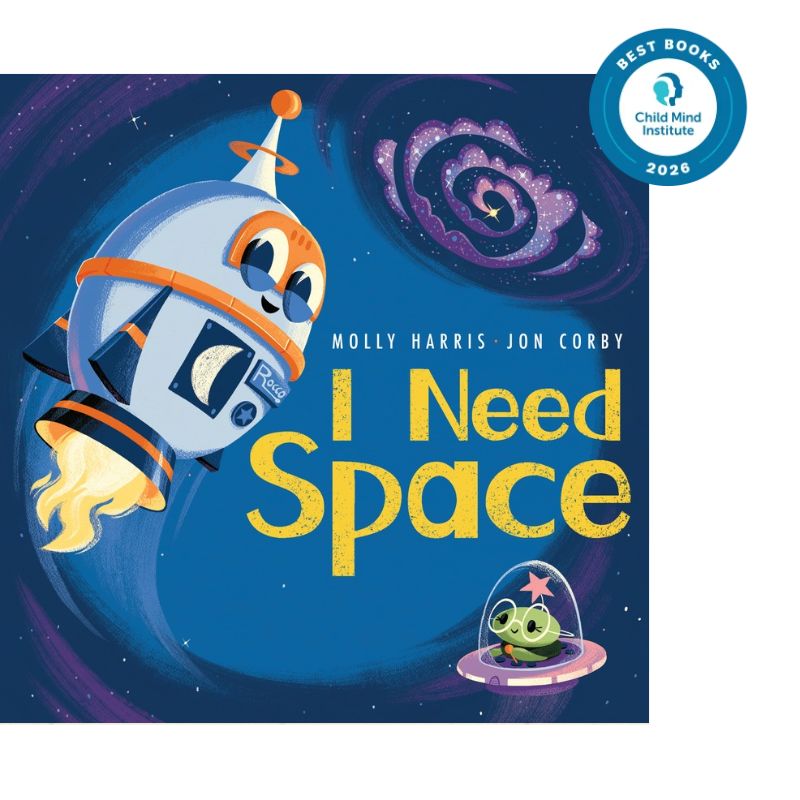
I Need Space
Written by Molly Harris, illustrated by Jon Corby
A rocket ship named Rocco loves blasting around the solar system. For Rocco, the rings of Saturn are like slides and the tethers of space stations are swings. Unfortunately, this out-of-this-world playground also has satellites that hog rides and rovers that steal toys. Eventually the roughhousing of the meteors drives Rocco away from the galaxy, looking for relief. The peaceful calm of an empty region lets him regain his cool, and he is able to brave going back. “The story is a clever play on words with the character needing space and the action taking place in space,” said a Child Mind Institute expert. “It also shows ways you can handle needing space.” A list of great tips is found alongside a brief astronomy guide to some of the wonders Rocco encounters. Ages 4–8. Published by Simon & Schuster.
Buy at Bookshop.org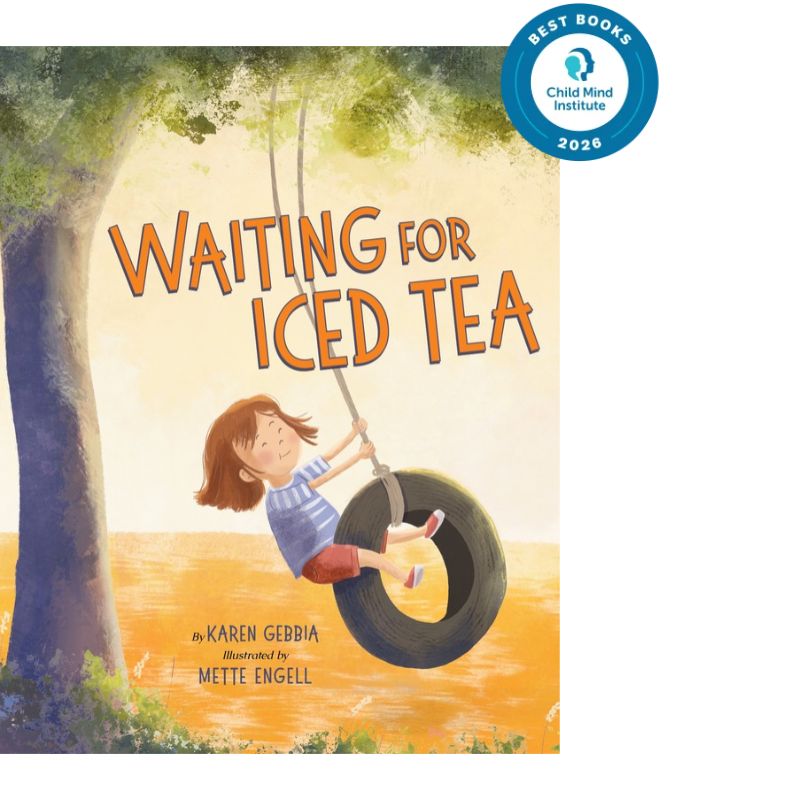
Waiting for Iced Tea
Written by Karen Gebbia, illustrated by Mette Engell
A cozy, gentle story about patience comes on a hot day when Nana sets out to make Charlotte her real iced tea. There are many steps to Nana’s recipe, so she tells Charlotte to find something useful to do while she waits. But the tea is still not ready! As the hours pass, something surprising happens: Charlotte stops wanting to speed up the tea-making process and starts noticing the beautiful moments inside the waiting. “I like the message of finding ways to tolerate waiting and even finding the fun in them,” says a Child Mind Institute expert. She also appreciates the back matter for parents on how to help kids wait more patiently and enjoy slower moments. Ages 5–9. Published by Lerner Books.
Buy at Bookshop.org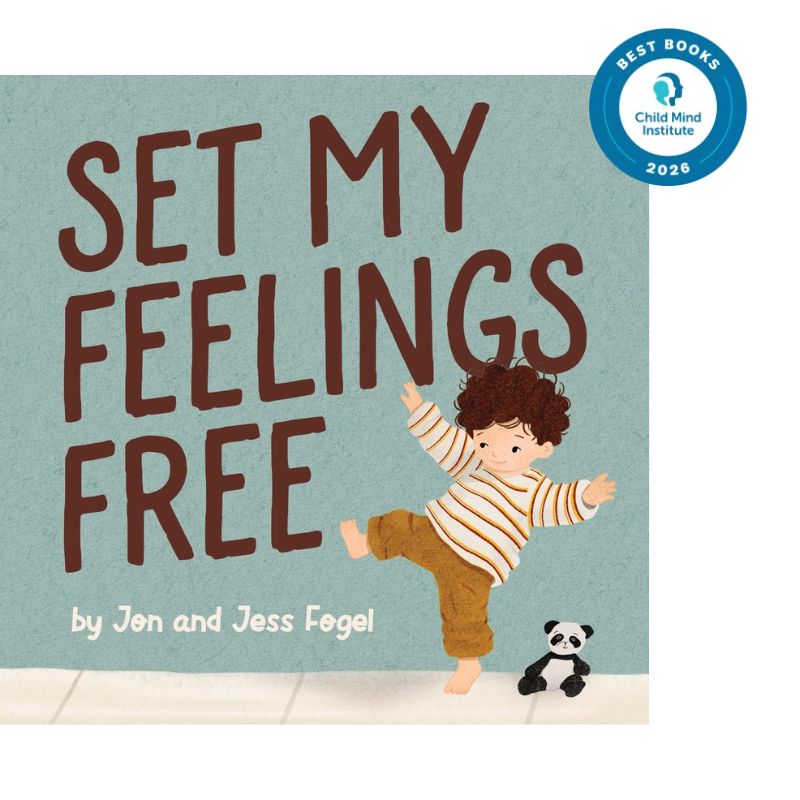
Set My Feelings Free
Written by Jon Fogel, illustrated by Jess Fogel
A brilliant rhyming picture book that can be sung to the tune of “Twinkle, Twinkle Little Star” covers many emotions, from frustration to disappointment. It pairs the feelings with mindfulness strategies to work through them. For example, when a child is frustrated, the book encourages kids to “Run in circles, twist and shout. Let the feelings all come out.” Says a Child Mind Institute expert: “This book would be good for both the grown-up and child reading it because it gives grown-ups a way to help kids express and manage feelings. The note to caregivers at the end is very digestible and helpful, as are the emotion regulation games.” Ages 3–5. Published by Beaming Books.
Buy at Bookshop.orgGrief
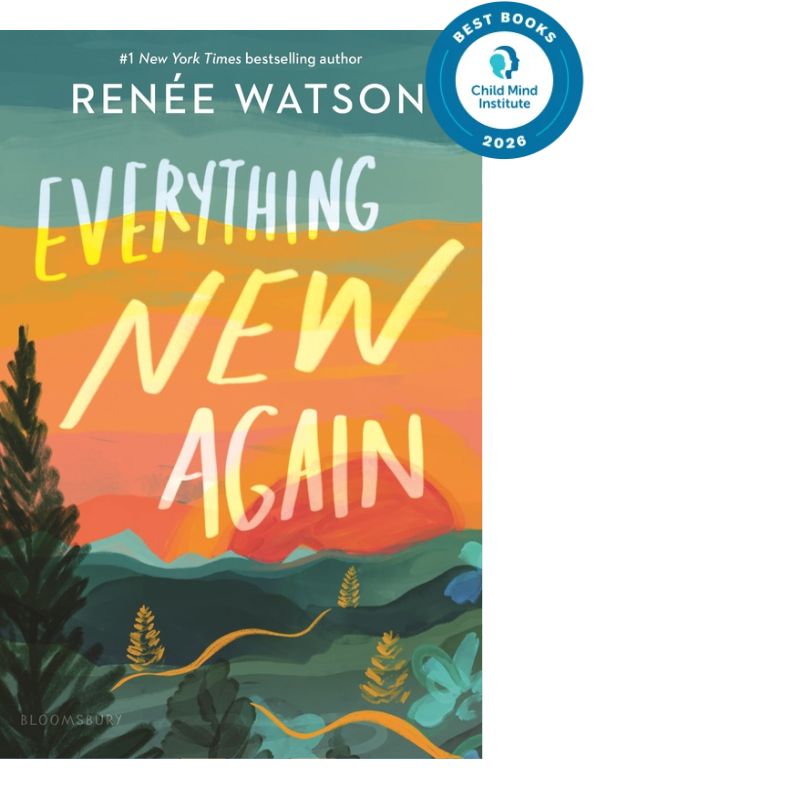
Everything New Again
Written by Renée Watson
This young-adult novel introduces readers to 17-year-old Bliss, who in the span of two weeks meets and falls in love with her co-narrator Solomon. Bliss’s family runs a funeral home, which gives her both a reputation for being a bit strange and an interesting perspective on grief. Both kids are confronted by death, even as their romance begins, but the story retains a sense of hope thanks to Bliss’s attitude. “The book was a very engaging read. Among the themes is learning to accept the realities of life and death,” said a Child Mind Institute expert. “Woven into the narrative is how to navigate these situations in a healthy way.” Ages 12–18. Published by Bloomsbury.
Buy at Bookshop.org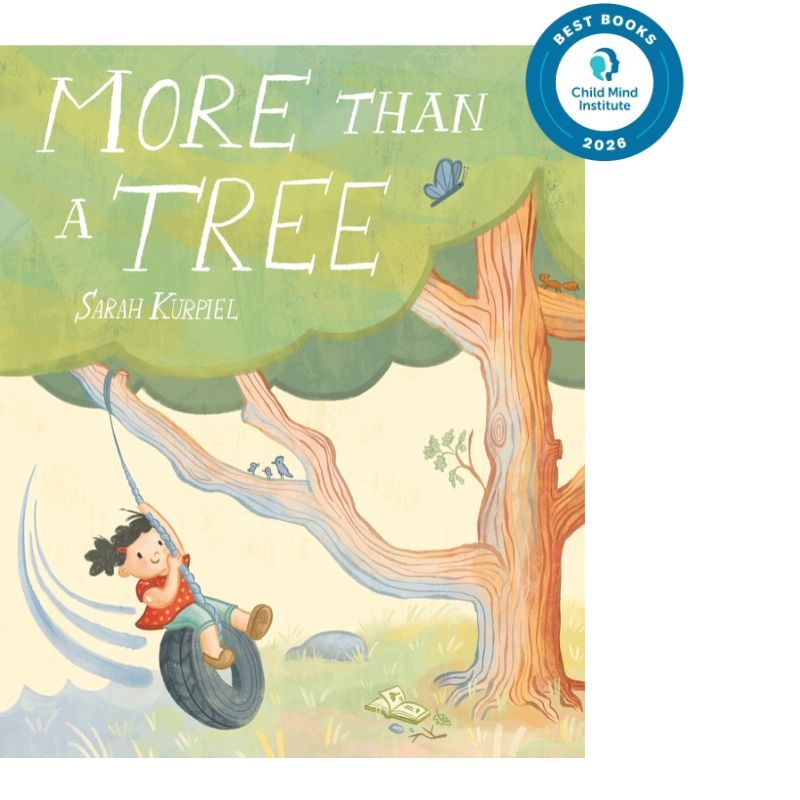
More Than a Tree
Written by Sarah Kurpiel
A young girl processes loss when her beloved backyard tree has to be removed. Although the parents knew the day will come, the girl isn’t prepared and struggles emotionally with the inevitable. The family presses some of its leaves as a remembrance. “Gentle and reassuring, this book can help foster conversations about sadness, loss, coping with change, the circle of life, and resilience,” says a Child Mind Institute expert. “The story ends on a hopeful note as she plants a new tree in its place and takes on the role of caregiver, illustrating how new life can emerge after loss and how love, memories, and growth can continue even as things change.” Ages 4–8. Published by Penguin Random House.
Buy at Bookshop.orgMindfulness
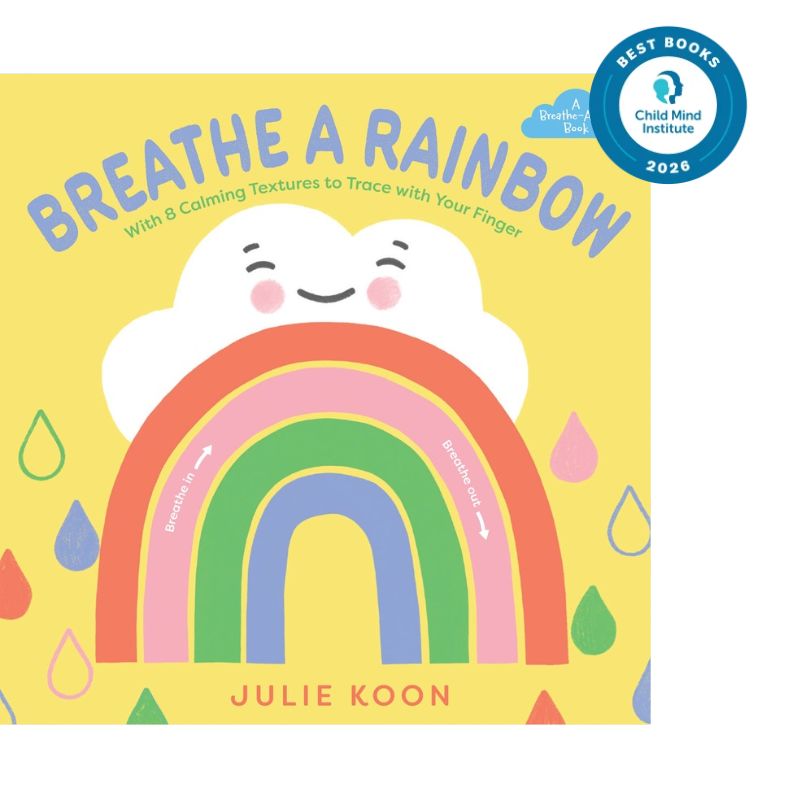
Breathe a Rainbow
Written and illustrated by Julie Koon
In this board book, children can trace their fingers over eight die-cut, differently textured surfaces that take the shape of natural wonders like stars, waves, mountains, flowers, and, of course, rainbows. While they touch these colorful pictures, they’re instructed to breathe in and out to cope with any difficult feelings they may be experiencing. “I love how this simple book pairs feelings and the mindfulness technique of shape breathing,” said an expert from the Child Mind Institute. “The book is easy to read with cute visuals and applies the senses through using different textures.” Ages 2–4. Published by Abrams Books.
Buy at Bookshop.orgNeurodivergence
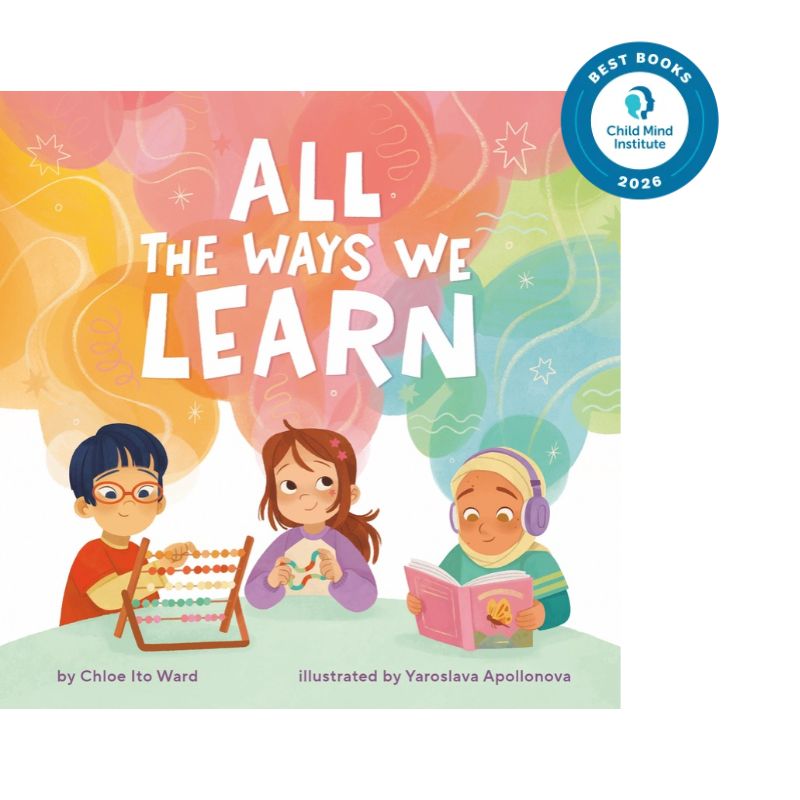
All the Ways We Learn
Written by Chloe Ito Ward, illustrated by Yaroslava Apollonova
Starting with the prompt “What does learning look like?” the book begins with an image of circle time, and the idea: “Sometimes learning looks like…crisscross applesauce, hands in your lap.” But one of the kids isn’t happy, and she supplies an alternative: “But I don’t learn like that. I tap my feet on the floor with arms bouncing on my knees or squeezing a ball. When my body moves, I can learn.” And so it goes, with different kids sharing a broad range of learning practices. “I liked that this book normalizes all the different accommodations and ways kids learn!” says a Child Mind Institute expert. “I also appreciated the glossary of terms and possible accommodations at the end. I think this book would be good for both children with learning differences and those without, to normalize the experience.” Ages 3–6. Published by Penguin Random House.
Buy at Bookshop.orgOCD
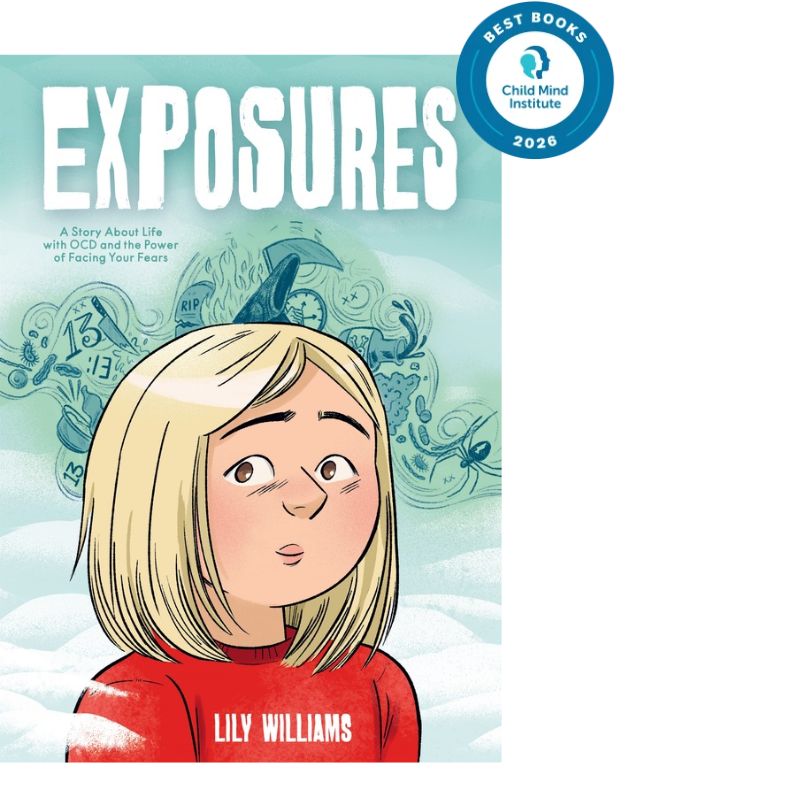
Exposures
Written and illustrated by Lily Williams
Peyton is a young girl dealing with OCD (obsessive-compulsive disorder), which has caused her to stop doing many of the things she enjoys. She’s frightened that she might hurt herself or her sister, unless she avoids some things around her, such as the color red. The graphic novel’s art and lettering brilliantly depict her thoughts as intrusive and all-consuming. However, there is also a sweetness and warmth to the characters that makes readers want to root for Peyton as she bravely enters therapy. The author, who also has OCD, realistically depicts ERP (exposure and response prevention), in which “you are repeatedly exposed to your fears until they become less scary.” A Child Mind Institute expert believes that the story “describes OCD and ERP well through very adolescent-friendly language.” Ages 8–12. Published by First Second.
Buy at Bookshop.orgPostpartum Depression
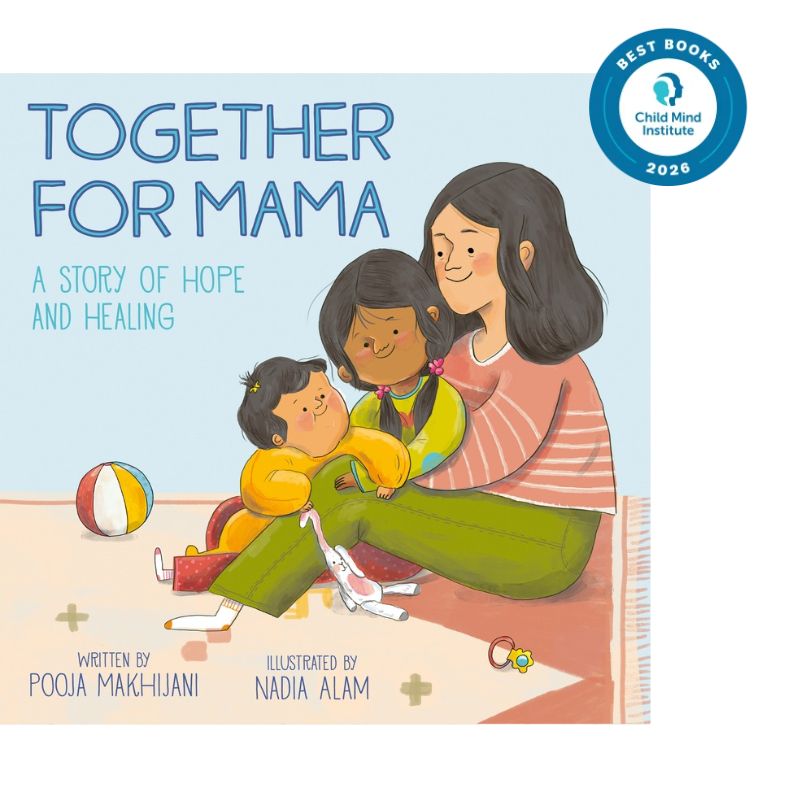
Together for Mama: A Story of Hope and Healing
Written by Pooja Makhijani, illustrated by Nadia Alam
This gentle picture book follows Asha, who is so thrilled to welcome her newborn sister Maya home from the hospital that she is bubbling over with excitement. However, she’s surprised that her mother doesn’t seem to share her joy. As a matter of fact, Mama is distracted, anxious, and teary. Fortunately, her Papa doesn’t hesitate to call in Asha’s grandmothers as reinforcements. Together, the family eases Mama’s daily burdens and gives her the time and space she needs to recover. “This is a simple story that teaches kids about postpartum depression,” says an expert from the Child Mind Institute. “The book is helpful for mothers or other caregivers to read to youngsters, allowing them to acknowledge the sadness their child is likely already aware of, and not keeping that information hidden.” Ages 5–8. Published by Penguin Random House.
Buy at Bookshop.orgSelf-Esteem
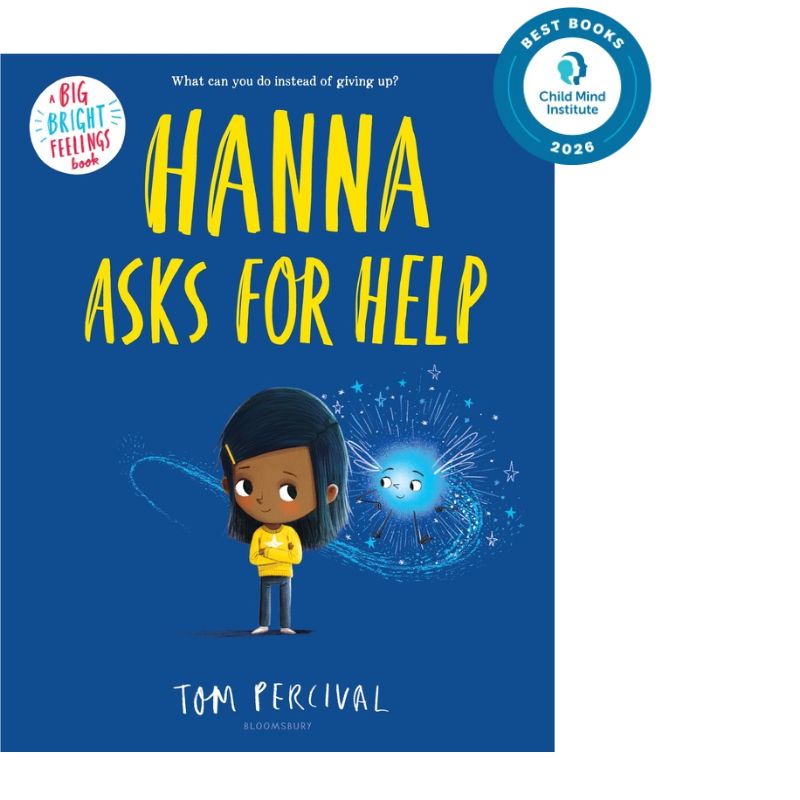
Hanna Asks for Help
Written and illustrated by Tom Percival
In this charming picture book, Hanna excels in sports, but math leaves her confused. Her initial plan to just pretend that she understands naturally doesn’t work out. She’s visited by a spritely, glowing ball of energy called Help, who encourages her to ask for assistance. Sure enough, this works for finding things and tying her laces, but can it help with arithmetic? When it does, Hanna realizes she can offer help herself to others who struggle with the things that she finds easy. “The book has a good description of learning challenges, the hesitancy around asking for help, and a really nice resource at the end about everyone having different strengths,” says a Child Mind Institute expert. Ages 3–6. Published by Bloomsbury Children’s Books.
Buy at Bookshop.orgLearn more about our Family Resource Center and our editorial mission.
Was this article helpful?
Related Reading
-
 Why Is It Important to Read to Your Child?
The benefits go far beyond literacy
-
 Top Children’s Books About Mental Health
Some of our favorite books for helping kids understand emotional and learning challenges
-
 How to Keep Kids Reading Over the Summer
Tips for avoiding the 'summer slide'
-
 Family Resources for Remote Learning
The stress and uncertainty surrounding the coronavirus pandemic presents daily challenges to the well- being…
-
 Complete Guide to Dyslexia
Kids learn to read at different paces, and it’s normal for them to struggle at…
-
 How Kids Learn to Read
And why effective instruction makes a big difference
-
 How to Teach Kids With Dyslexia to Read
Systematic phonics instruction is key to building skills and confidence
-
 What Are the Earliest Signs of Autism?
Signs of autism in infants and toddlers can be easy to miss — unless you…
-
Understanding Dyslexia: Signs of Dyslexia in Kids
Know the signs, and how to help kids with the most common learning disability
-
 The Best Kids’ Books About Mental Health of 2025
Child Mind Institute experts read and rated 60+ books to bring you this list of…
-
 Watching (and Helping) Oliver Learn to Read
The amazing journey from pictures to whole sentences