Yes, a 3-year-old child can learn a new language. When kids are very young — from birth to about three years old — they are very ripe for receiving new information.
Should I teach my child a second language or will it delay her language development?
Ask an Expert
Should I teach my child a second language or will it delay her language development?
Clinical Expert: Raquel Cumba, PhD
en Español
Question
Is teaching a child two languages a good idea or does it slow down the process of language development? I'm worried it will be confusing.
Answer
This is a great question that I get all the time from parents. Yes, you should teach your child a second language if you can. Research overwhelmingly supports teaching second languages early, because as we know it’s harder to learn a second language as we get older. But when kids are very young — from birth to about three years old — they are very ripe for receiving new information. Of course you can always learn a second language later, but it takes more time and becomes more challenging.
It is true that kids might be confused a little bit at the beginning, when there are two different labels for things, or they need to use different languages to talk to different people. It can be normal for children learning more than one language to experience what’s known as “interference” — when the grammar and structure of one language influences the grammar of the other language they are learning, which leads to grammatical errors. This is not a language disorder, but a normal part of learning two languages. Children may also go through a silent period when acquiring a second language, which happens as they focus on listening to and comprehending the new language. This can last anywhere from a few weeks to a year, depending on the age of the child. These things sort themselves out. It can take five to seven years for a child to master academic language, even if they are proficient users of the second language in social situations and conversation. However, an advantage of knowing two languages is that bilingual kids are able to think a little more flexibly because they can switch between one language and the other — something called “code switching.”
Finally, it is important for you to use the language you are most comfortable using when speaking to and interacting with your young child. If you are better at speaking Spanish or another language other than English, don’t be afraid to use it! When you communicate in the language you are most familiar with, you are giving your child the clearest and most salient language models to follow — you are providing your child with the linguistic framework and the concepts that will follow her in every language she speaks.
Frequently Asked Questions
Yes, you should teach your child a second language if you can. Research overwhelmingly supports teaching second languages early. It can be normal for children learning more than one language to experience what’s known as “interference” — when one language influences the use of the other. But it’s a normal part of learning two languages.
Last reviewed or updated on August 7, 2025.
Learn more about our Family Resource Center and our editorial mission.
Tagged with
Learning Disorders
Topics
Rachel Cortese, MS, CCC-SLP
Rachel (Eckenthal) Cortese, MS Ed, MS CCC-SLP, is a speech-language therapist.
Was this article helpful?
Related Reading
-
 Helping Toddlers Expand Language Skills
Tips for encouraging kids age 0-5 to talk
Helping Toddlers Expand Language Skills
Tips for encouraging kids age 0-5 to talk
-
 Questions That Parents of English Language Learners Should Ask Schools
How to make sure your child gets what they need
Questions That Parents of English Language Learners Should Ask Schools
How to make sure your child gets what they need
-
 Complete Guide to Managing Behavior Problems
When children struggle with their behavior, it can have a negative impact on everyone in…
Complete Guide to Managing Behavior Problems
When children struggle with their behavior, it can have a negative impact on everyone in…
-
 Quick Guide to Language Disorder
A language disorder is a communication disorder that can affect kids. Children with a language disorder…
Quick Guide to Language Disorder
A language disorder is a communication disorder that can affect kids. Children with a language disorder…
-
 Complete Guide to Autism
Autism spectrum disorder is called a spectrum because autistic kids may have a wide range…
Complete Guide to Autism
Autism spectrum disorder is called a spectrum because autistic kids may have a wide range…
-
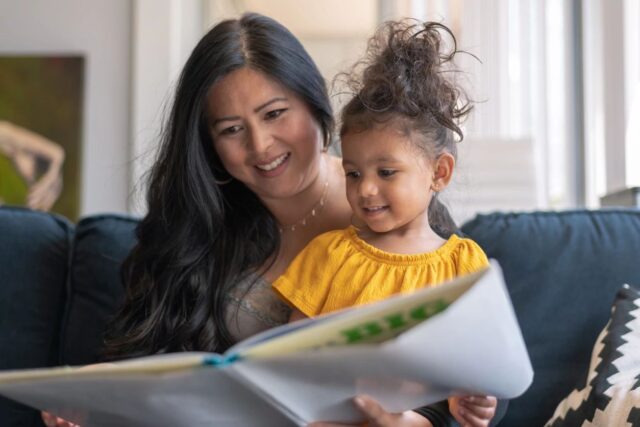 Why Is It Important to Read to Your Child?
The benefits go far beyond literacy
Why Is It Important to Read to Your Child?
The benefits go far beyond literacy
-
 What Are the Different Kinds of Learning Disorders?
How they’re recognized and diagnosed
What Are the Different Kinds of Learning Disorders?
How they’re recognized and diagnosed
-
 Complete Guide to Getting Good Care
When a child is struggling, or their behavior worries you, it can be hard to…
Complete Guide to Getting Good Care
When a child is struggling, or their behavior worries you, it can be hard to…
-
 How to Spot Dyscalculia
When math difficulties mean something more
How to Spot Dyscalculia
When math difficulties mean something more
-
 Complete Guide to Developmental Milestones
A guide to normal childhood development that can help you recognize when your child might…
Complete Guide to Developmental Milestones
A guide to normal childhood development that can help you recognize when your child might…
More Related