Guides
Quick Guide to Post-Traumatic Stress Disorder (PTSD)
What is post-traumatic stress disorder?
Post-traumatic stress disorder (PTSD) is a mental health condition that can affect kids who have experienced something very upsetting. They have extreme anxiety that causes issues like trouble sleeping, being easily annoyed, or feeling detached from others.
Experiences that might be traumatic include violence, abuse, natural disasters, or bad accidents. Kids with PTSD might have experienced the upsetting event themselves. PTSD can also happen if the child sees it happen to someone else or hears about it happening to someone they’re close to. It’s normal for kids to be upset when something traumatic happens. The difference is that kids with PTSD are still very anxious months later.
PTSD isn’t common in young people, but both children and teenagers can experience it. Getting a lot of support right after the upsetting event can help them avoid developing PTSD.
What are the symptoms of PTSD?
Signs of PTSD in children may show up after a child experiences something very upsetting. Sometimes, they don’t show up until months or years later. PTSD causes changes in behavior that could include:
- Trouble sleeping
- A lot of nightmares about the event
- Feeling numb or separate from other people
- Getting annoyed quickly
- Trouble focusing
- Headaches or stomachaches
- Acting out the upsetting event during playtime
Young children may start wetting the bed again, stop speaking, or be afraid of leaving their parents. Teens may feel guilty and try to hurt themselves.
How is PTSD diagnosed?
To be diagnosed with PTSD, the child must have seen, heard about or been a part of an upsetting or dangerous event. Then they have to show signs of extreme anxiety. These signs are grouped into three categories:
- Thinking about, dreaming about, or acting out the event
- Feeling numb, trouble focusing, and trouble connecting with people
- Getting annoyed easily, acting fearful, or having trouble sleeping
The symptoms must continue for at least a few months after the event. That’s because it’s normal for a child to be upset soon after something bad happens. The symptoms may also start months or years later.
How is PTSD treated?
PTSD in children is often treated with both therapy and medication.
The two most common kinds of therapy for kids with PTSD are psychotherapy and cognitive behavioral therapy.
Psychotherapy helps children speak, draw, play or write about their trauma. Cognitive behavior therapy (CBT) teaches children to manage their fear. In CBT, the child doesn’t talk directly about the upsetting event but instead learns skills to deal with difficult feelings. Trauma-focused cognitive behavioral therapy (TF-CBT) can teach children to manage their fears by learning skills to deal with difficult feelings and situations. Therapy for PTSD often involves a parent or another person who takes care of the child.
Antidepressants and anti-anxiety medications can help kids with PTSD feel less fear and anxiety. A hypertension medication called Prazosin can also help kids who have a lot of nightmares.
Learn more about our Family Resource Center and our editorial mission.
Was this article helpful?
Related Reading
-
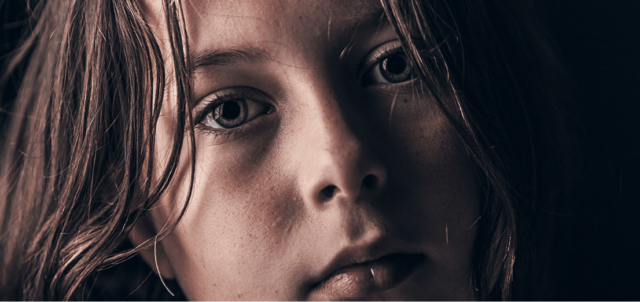 Signs of Trauma in Children
What to watch for in the weeks and months after an upsetting event
Signs of Trauma in Children
What to watch for in the weeks and months after an upsetting event
-
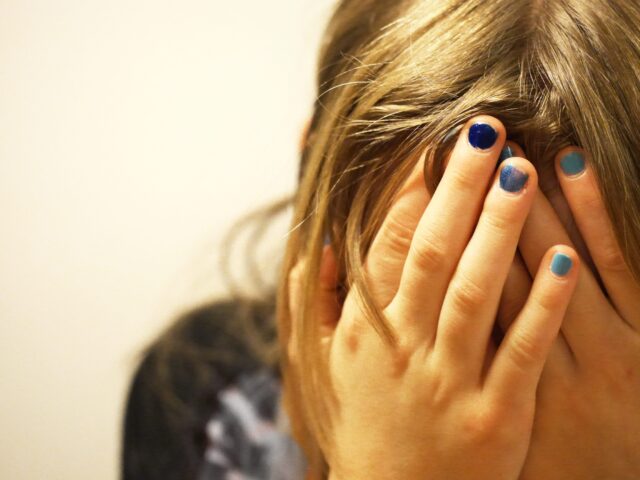 What Is PTSD?
The disorder looks different in children as they develop
What Is PTSD?
The disorder looks different in children as they develop
-
 Treatment for PTSD
There are several evidence-based therapies for young people with PTSD
Treatment for PTSD
There are several evidence-based therapies for young people with PTSD
-
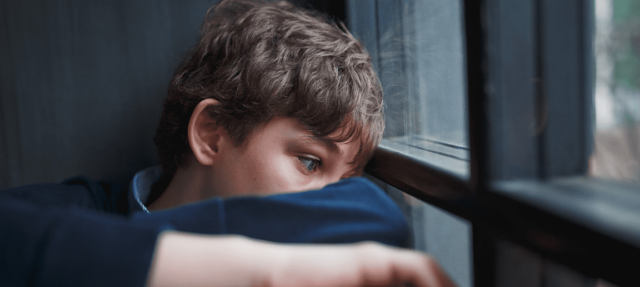 Complete Guide to Substance Use + Mental Health
When children are struggling with both a substance use disorder and a mental health disorder,…
Complete Guide to Substance Use + Mental Health
When children are struggling with both a substance use disorder and a mental health disorder,…
-
 What Are Adjustment Disorders?
When kids have big reactions to stressful events
What Are Adjustment Disorders?
When kids have big reactions to stressful events
-
 Is It ADHD or Trauma?
Why the symptoms are often confused, and how to avoid a misdiagnosis
Is It ADHD or Trauma?
Why the symptoms are often confused, and how to avoid a misdiagnosis
-
 Quick Guide to Reactive Attachment Disorder
Children with reactive attachment disorder (RAD) are not able to form the important bond that…
Quick Guide to Reactive Attachment Disorder
Children with reactive attachment disorder (RAD) are not able to form the important bond that…
-
 A Look at Acute Stress Disorder and PTSD
After an upsetting or traumatic event, children can respond in a variety of unhealthy ways
A Look at Acute Stress Disorder and PTSD
After an upsetting or traumatic event, children can respond in a variety of unhealthy ways
-
 Quick Guide to Acute Stress Disorder
Acute stress disorder is a mental health condition that happens when a child has a very…
Quick Guide to Acute Stress Disorder
Acute stress disorder is a mental health condition that happens when a child has a very…
-
 The Most Common Misdiagnoses in Children
When symptoms have several possible causes, mistakes are made
The Most Common Misdiagnoses in Children
When symptoms have several possible causes, mistakes are made
-
 EMDR Therapy for Childhood Trauma
EMDR, a best practice for treating PTSD in adults, is also helping kids
EMDR Therapy for Childhood Trauma
EMDR, a best practice for treating PTSD in adults, is also helping kids